

As a supplier of AC servo motors, I often encounter customers who are concerned about the maintenance of these motors. In this blog post, I'll delve into the question: Are AC servo motors easy to maintain? I'll explore various aspects of AC servo motor maintenance, providing insights based on industry knowledge and experience.
Understanding AC Servo Motors
Before discussing maintenance, it's essential to understand what AC servo motors are. AC servo motors are a type of electric motor that provides precise control of angular position, velocity, and acceleration. They are widely used in industrial automation, robotics, CNC machines, and other applications where high - precision motion control is required.
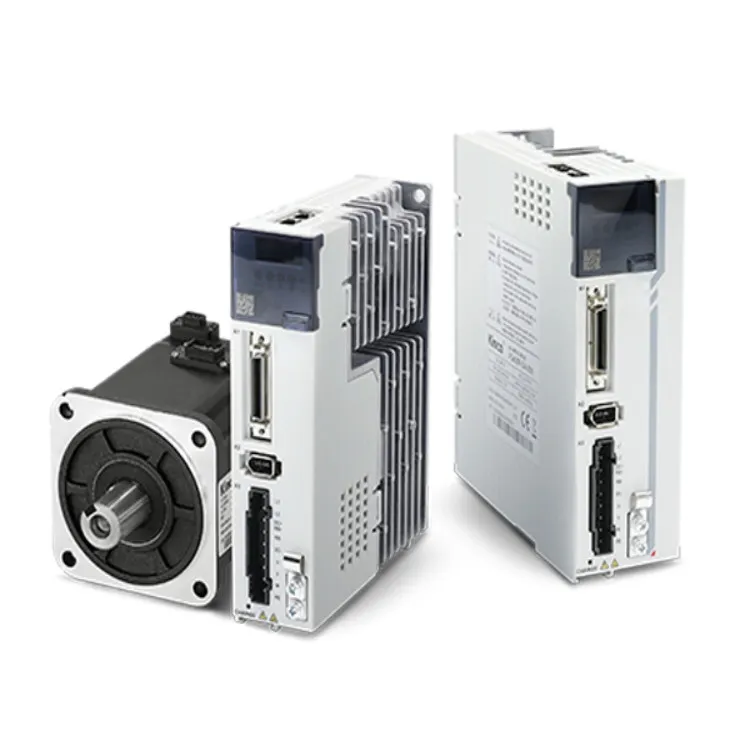
The basic components of an AC servo motor include a stator, a rotor, a feedback device (such as an encoder), and a drive unit. The stator creates a rotating magnetic field, which interacts with the rotor to produce torque. The feedback device provides information about the motor's position and speed to the drive unit, allowing for accurate control.
Factors Affecting Maintenance
Design and Quality
The design and quality of an AC servo motor play a significant role in its maintenance requirements. High - quality motors are typically built with better materials and more precise manufacturing processes. For example, motors with high - grade bearings and well - insulated windings are less likely to experience premature failures. At our company, we ensure that all our AC servo motors, including the 750w Servo Motor and 1.5Kw Servo Motor, are designed and manufactured to the highest standards. This reduces the frequency of maintenance and extends the motor's service life.
Operating Conditions
The environment in which an AC servo motor operates can greatly impact its maintenance needs. Motors used in harsh environments, such as those with high levels of dust, moisture, or vibration, are more prone to wear and tear. For instance, in a dusty manufacturing plant, dust can accumulate on the motor's windings, leading to overheating and insulation breakdown. On the other hand, motors operating in a clean, temperature - controlled environment will generally require less maintenance.
Usage Patterns
How the motor is used also affects its maintenance. Motors that are constantly running at high speeds or under heavy loads will experience more stress and may need more frequent maintenance. In contrast, motors that are used intermittently or at lower loads will have a longer service life between maintenance intervals.
Common Maintenance Tasks
Regular Inspections
Regular inspections are crucial for detecting potential problems early. During an inspection, you should check the motor's physical condition, including the housing, bearings, and wiring. Look for signs of damage, such as cracks in the housing, excessive vibration, or loose connections. You should also inspect the encoder for proper operation, as any issues with the feedback device can lead to inaccurate control of the motor.
Cleaning
Cleaning the motor is an important maintenance task, especially in dirty environments. Use a soft brush or compressed air to remove dust and debris from the motor's exterior and ventilation openings. Make sure not to damage any of the components during the cleaning process.
Lubrication
If the motor has bearings that require lubrication, it's essential to follow the manufacturer's recommendations for lubricant type and frequency. Over - lubrication or using the wrong type of lubricant can cause problems, such as increased friction and overheating.
Testing
Periodically test the motor's performance to ensure it is operating within specifications. This can include measuring the motor's speed, torque, and electrical characteristics. Any significant deviations from the normal values may indicate a problem that needs to be addressed.

Ease of Maintenance
Overall, AC servo motors are relatively easy to maintain compared to some other types of motors. Many of the maintenance tasks, such as inspections and cleaning, can be performed by in - house technicians with basic training. Additionally, most modern AC servo motors are designed with modular components, which makes it easier to replace faulty parts.
For example, if a bearing fails, it can usually be replaced without having to replace the entire motor. This reduces downtime and maintenance costs. Our Single Phase AC Servo Motor is designed with this modularity in mind, making it convenient for customers to perform maintenance and repairs.
Benefits of Proper Maintenance
Proper maintenance of AC servo motors offers several benefits. Firstly, it extends the motor's service life, reducing the need for frequent replacements. This can result in significant cost savings over time. Secondly, well - maintained motors operate more efficiently, which can lead to energy savings. Thirdly, regular maintenance helps prevent unexpected breakdowns, which can disrupt production and cause costly downtime.
Conclusion
In conclusion, AC servo motors are generally easy to maintain, especially when they are of high quality and used in appropriate operating conditions. By performing regular inspections, cleaning, lubrication, and testing, you can ensure that your AC servo motors operate reliably and efficiently for a long time.
If you are in the market for AC servo motors or need more information about their maintenance, we are here to help. Our team of experts can provide you with detailed product information and guidance on maintenance best practices. Contact us to discuss your specific requirements and start a procurement negotiation.
References
- "Servo Motors and Drives: Fundamentals, Types, and Applications" by Tom Kenney
- Industry standards and guidelines for AC servo motor maintenance.