

Industrial Human-Machine Interfaces (HMIs) play a crucial role in modern industrial processes, enabling operators to interact with machinery and systems efficiently. One of the key considerations when deploying HMIs in industrial settings is their ability to withstand harsh environments. As an industrial HMI supplier, I have witnessed firsthand the challenges and requirements of various industries. In this blog, we will explore whether industrial HMIs are resistant to harsh environments and the factors that contribute to their resilience.
Understanding Harsh Environments in Industry
Harsh environments in industrial settings can encompass a wide range of conditions. These may include extreme temperatures, high humidity, dust, vibrations, shock, and exposure to chemicals. For example, in the mining industry, HMIs are often exposed to large amounts of dust and vibrations due to heavy machinery operation. In the food and beverage industry, they may face high humidity and regular cleaning with chemicals. In oil and gas facilities, HMIs need to withstand extreme temperatures and potentially explosive atmospheres.
Temperature Resistance
Temperature is one of the most significant factors in harsh environments. Industrial HMIs are designed to operate within a specific temperature range. High - quality industrial HMIs can typically withstand temperatures from -20°C to 60°C or even wider ranges in some specialized models.
The internal components of an HMI, such as the display, processor, and power supply, are carefully selected and engineered to function properly under these temperature conditions. For instance, the liquid crystal display (LCD) used in HMIs has a specific operating temperature range. Manufacturers may use special LCDs with wider temperature tolerances or incorporate heating or cooling systems to maintain the optimal temperature for the display.
Humidity and Moisture Resistance
Humidity and moisture can cause significant damage to electronic components. Industrial HMIs are often sealed to prevent moisture ingress. They may have an Ingress Protection (IP) rating, which indicates their level of protection against solid objects and liquids. For example, an IP65 - rated HMI is dust - tight and protected against water jets from any direction.
Sealing materials such as gaskets and potting compounds are used to protect the internal circuitry. Additionally, the printed circuit boards (PCBs) in HMIs may be coated with a protective layer to prevent corrosion caused by moisture. This ensures that the HMI can operate reliably in environments with high humidity, such as in paper mills or near water treatment facilities.
Dust and Particle Resistance
In dusty environments, such as cement plants or foundries, dust particles can clog the ventilation openings and damage the internal components of an HMI. As mentioned earlier, the IP rating also plays a crucial role in dust resistance. An HMI with a high IP rating, like IP6X, is completely protected against dust ingress.
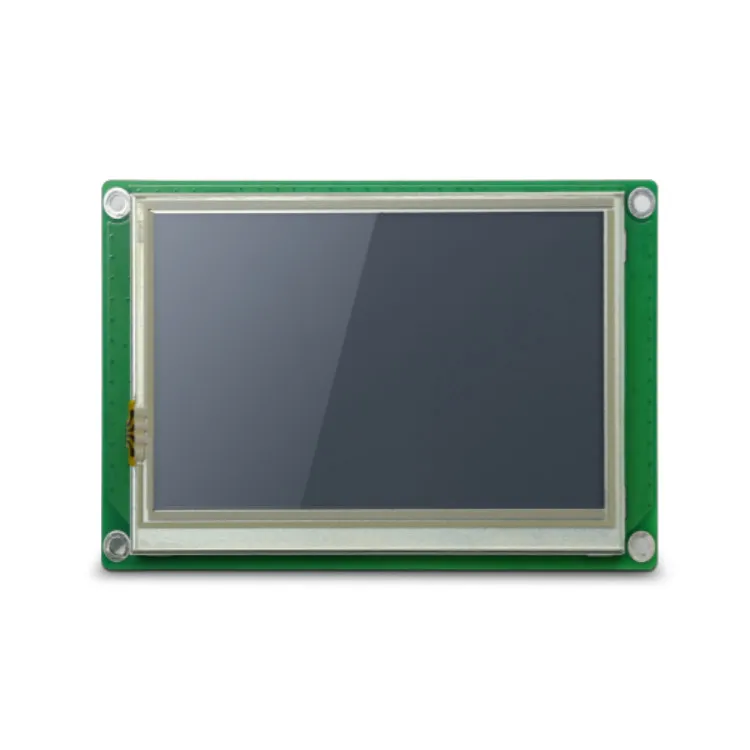
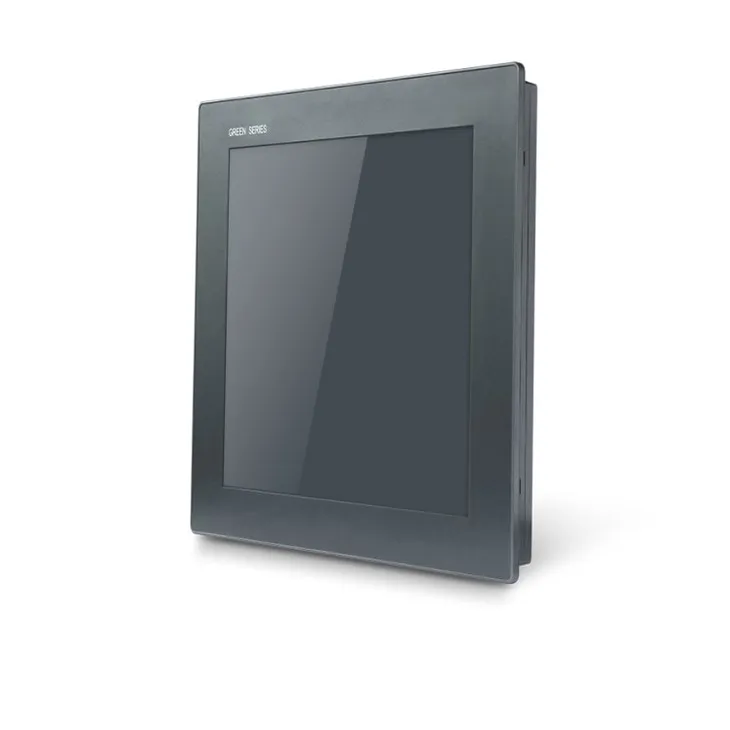
The design of the HMI enclosure is also important. Smooth surfaces and minimal crevices reduce the likelihood of dust accumulation. Some HMIs may also have air filtration systems to prevent dust from entering the enclosure through the ventilation ports.
Vibration and Shock Resistance
Industrial machinery often generates significant vibrations and shocks. HMIs need to be able to withstand these mechanical stresses without malfunctioning. To achieve this, they are built with robust enclosures and shock - absorbing mounts.
The internal components are also secured firmly to prevent damage from vibrations. For example, the hard drives or solid - state drives used in HMIs may be shock - mounted to protect them from sudden impacts. This ensures that the HMI can continue to operate accurately in environments with high - level vibrations, such as on factory floors with heavy machinery.
Chemical Resistance
In industries where chemicals are used, such as the chemical processing or pharmaceutical industries, HMIs need to be resistant to chemical exposure. The enclosure materials of industrial HMIs are selected based on their chemical resistance properties. For example, some enclosures are made of polycarbonate or stainless steel, which are resistant to a wide range of chemicals.
The display surface may also be treated with a chemical - resistant coating to prevent damage from spills or splashes. This allows the HMI to be used safely in areas where it may come into contact with chemicals.
Real - World Applications and Case Studies
Let's take a look at some real - world applications to illustrate the importance of HMI resistance to harsh environments. In a steel manufacturing plant, the HMIs are exposed to high temperatures, dust, and vibrations. The HMIs used in this environment are designed with high - temperature - resistant components, dust - tight enclosures, and shock - absorbing mounts. They have been able to operate reliably for years, providing operators with critical information about the steel - making process.
In the automotive industry, Car Touch Screen HMIs are used in the manufacturing process. These HMIs need to withstand the harsh conditions of the production line, including exposure to oils, coolants, and vibrations. Thanks to their robust design and chemical - resistant enclosures, they can operate effectively and contribute to the efficient production of vehicles.
The Role of the Internet of Things (IoT) in Harsh - Environment HMIs
With the rise of the Internet of Things (IoT), industrial HMIs are becoming more connected and intelligent. Internet Of Things Touch Screen HMIs can collect and transmit data from the industrial processes to a central control system or the cloud. This connectivity adds another layer of complexity to the design of HMIs in harsh environments.
However, it also offers benefits such as remote monitoring and predictive maintenance. For example, sensors in the HMI can detect changes in temperature, humidity, or vibration levels and send alerts to the maintenance team before a failure occurs. This helps to reduce downtime and increase the overall reliability of the industrial process.
Embedded HMIs for Harsh Environments
Embedded HMI solutions are becoming increasingly popular in harsh - environment applications. These HMIs are integrated directly into the industrial equipment, providing a more compact and reliable solution.
Embedded HMIs are designed to be highly rugged and can be customized to meet the specific requirements of the application. They are often used in applications where space is limited, such as in mobile machinery or small - scale industrial equipment.
Conclusion
Industrial HMIs are indeed resistant to harsh environments, thanks to their careful design, selection of components, and protective measures. They are engineered to withstand extreme temperatures, humidity, dust, vibrations, shock, and chemical exposure.
As an industrial HMI supplier, we are committed to providing high - quality HMIs that can meet the diverse needs of different industries. Our products are continuously tested and improved to ensure their reliability in the most challenging environments.
If you are in need of industrial HMIs for your harsh - environment applications, we would be glad to discuss your requirements. Our team of experts can help you select the most suitable HMI solution for your specific needs. Contact us to start the procurement process and take advantage of our reliable and innovative HMI products.
References
- "Industrial Automation Handbook", Publisher: CRC Press
- "Electronic Packaging and Interconnection Handbook", Publisher: McGraw - Hill