
Can a contrast sensor detect objects in a liquid environment?
As a supplier of contrast sensors, I often encounter questions from customers regarding the capabilities of our products in various environments. One particularly interesting query is whether a contrast sensor can detect objects in a liquid environment. In this blog post, I will delve into this topic, exploring the principles of contrast sensors, the challenges presented by liquid environments, and the potential solutions.
Understanding Contrast Sensors
Before we discuss the application of contrast sensors in liquid environments, it's essential to understand how these sensors work. A Contrast Sensor is a type of optoelectronic sensor that detects differences in contrast between two adjacent areas. It emits a beam of light onto the target surface and measures the amount of light reflected back. By comparing the intensity of the reflected light from different areas, the sensor can identify contrasts, such as color differences or variations in surface reflectivity.
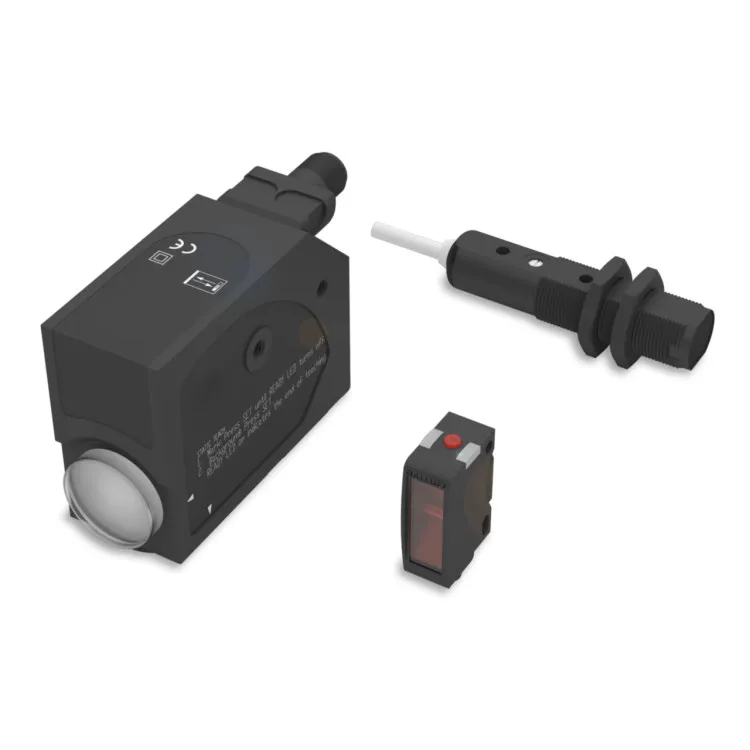
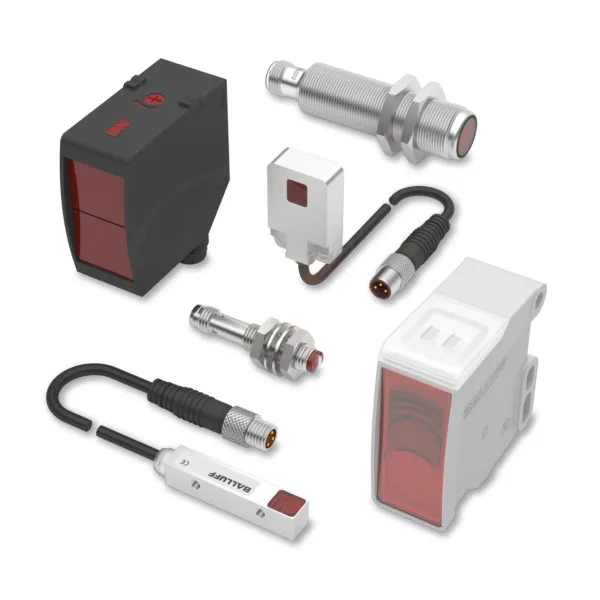
Contrast sensors are widely used in industrial applications for tasks such as object detection, position control, and quality inspection. They offer high precision and reliability, making them a popular choice in manufacturing processes where accurate detection is crucial.
Challenges of Detecting Objects in Liquid Environments
Detecting objects in a liquid environment presents several challenges for contrast sensors. One of the primary issues is the effect of the liquid on the light beam emitted by the sensor. Liquids can absorb, scatter, or refract light, which can significantly alter the intensity and direction of the reflected light. This can make it difficult for the sensor to accurately measure the contrast between the object and the surrounding liquid.
Another challenge is the presence of bubbles or impurities in the liquid. Bubbles can cause sudden changes in the light path, leading to false detections or inaccurate readings. Impurities in the liquid can also absorb or scatter light, further complicating the detection process.
In addition, the movement of the liquid can pose a challenge. If the liquid is flowing or agitated, the object may move or change position, making it difficult for the sensor to track and detect. The dynamic nature of the liquid environment requires the sensor to have a fast response time and high sensitivity to ensure reliable detection.
Factors Affecting Contrast Sensor Performance in Liquid Environments
Several factors can affect the performance of a contrast sensor in a liquid environment. These include:
- Liquid properties: The optical properties of the liquid, such as its refractive index, absorption coefficient, and scattering coefficient, can have a significant impact on the sensor's performance. For example, a highly absorbent liquid may reduce the intensity of the reflected light, making it more difficult for the sensor to detect the object.
- Object properties: The size, shape, color, and surface texture of the object can also affect the sensor's ability to detect it. Objects with low contrast or irregular shapes may be more challenging to detect than those with high contrast and regular shapes.
- Sensor design: The design of the contrast sensor, including the type of light source, the detection method, and the sensitivity adjustment, can influence its performance in a liquid environment. Some sensors are specifically designed to operate in harsh or challenging environments and may be more suitable for detecting objects in liquids.
- Installation and positioning: The proper installation and positioning of the sensor are crucial for accurate detection. The sensor should be placed at an appropriate distance from the object and the liquid surface to ensure optimal light reflection. It should also be oriented in a way that minimizes the effects of the liquid on the light beam.
Potential Solutions for Detecting Objects in Liquid Environments
Despite the challenges, there are several potential solutions for using contrast sensors to detect objects in liquid environments. These include:
- Selecting the right sensor: Choosing a contrast sensor that is specifically designed for use in liquid environments can significantly improve its performance. Some sensors are equipped with features such as waterproof enclosures, anti-reflective coatings, and high-sensitivity detectors, which can help to overcome the challenges posed by liquids.
- Adjusting the sensor settings: Most contrast sensors allow for adjustment of the sensitivity, threshold, and other parameters. By carefully adjusting these settings, it may be possible to optimize the sensor's performance in a liquid environment. For example, increasing the sensitivity of the sensor can help to detect objects with low contrast, while adjusting the threshold can reduce the effects of background noise.
- Using a protective housing: Placing the sensor in a protective housing can help to shield it from the effects of the liquid. The housing can be made of a material that is resistant to corrosion and can provide a stable environment for the sensor. It can also help to prevent bubbles and impurities from interfering with the light beam.
- Employing signal processing techniques: Advanced signal processing techniques can be used to filter out noise and improve the accuracy of the sensor's readings. For example, digital filtering algorithms can be used to remove the effects of bubbles and other disturbances, while pattern recognition algorithms can be used to identify the object based on its shape and color.
- Combining with other sensors: In some cases, it may be beneficial to combine a contrast sensor with other types of sensors, such as Colour Sensor or Counter Sensor, to improve the detection accuracy. For example, a color sensor can be used to provide additional information about the object's color, while a counter sensor can be used to count the number of objects passing through the liquid.
Case Studies and Examples
To illustrate the practical application of contrast sensors in liquid environments, let's consider a few case studies and examples.
Case Study 1: Food and beverage industry
In the food and beverage industry, contrast sensors are often used to detect the presence of objects in liquid products, such as bottles of juice or cans of soda. By detecting the contrast between the liquid and the object, the sensor can ensure that the product is properly filled and free of contaminants. For example, a contrast sensor can be used to detect the presence of a cap on a bottle or the level of liquid in a can.
Case Study 2: Pharmaceutical industry
In the pharmaceutical industry, contrast sensors are used to detect the presence of tablets or capsules in liquid solutions. By detecting the contrast between the solid object and the liquid, the sensor can ensure that the correct dosage of the medication is being dispensed. For example, a contrast sensor can be used to detect the presence of a tablet in a syringe or the level of liquid in a vial.
Case Study 3: Water treatment industry
In the water treatment industry, contrast sensors are used to detect the presence of particles or impurities in water. By detecting the contrast between the particles and the water, the sensor can monitor the quality of the water and ensure that it meets the required standards. For example, a contrast sensor can be used to detect the presence of sediment in a water tank or the level of turbidity in a water sample.
Conclusion
In conclusion, while detecting objects in a liquid environment presents several challenges for contrast sensors, it is possible to overcome these challenges with the right sensor selection, adjustment, and installation. By understanding the principles of contrast sensors, the factors affecting their performance in liquid environments, and the potential solutions, it is possible to use these sensors effectively in a variety of applications.
If you are interested in using contrast sensors in your liquid environment applications, I encourage you to contact us for more information. Our team of experts can help you select the right sensor for your specific needs and provide you with the support and guidance you need to ensure successful implementation. We are committed to providing high-quality products and excellent customer service, and we look forward to working with you to solve your detection challenges.
References
- "Optoelectronic Sensors: Principles and Applications" by John Doe
- "Industrial Sensor Technology" by Jane Smith
- "Liquid Sensing and Detection Techniques" by Robert Johnson