
Can a counter sensor be used in traffic control?
In the realm of modern traffic management, the quest for efficient and reliable control systems is unending. As a supplier of Counter Sensor, I've often pondered the potential of our products in traffic control scenarios. In this blog, we'll explore the feasibility and benefits of using counter sensors in traffic control, delving into the technical aspects and real - world applications.
Understanding Counter Sensors
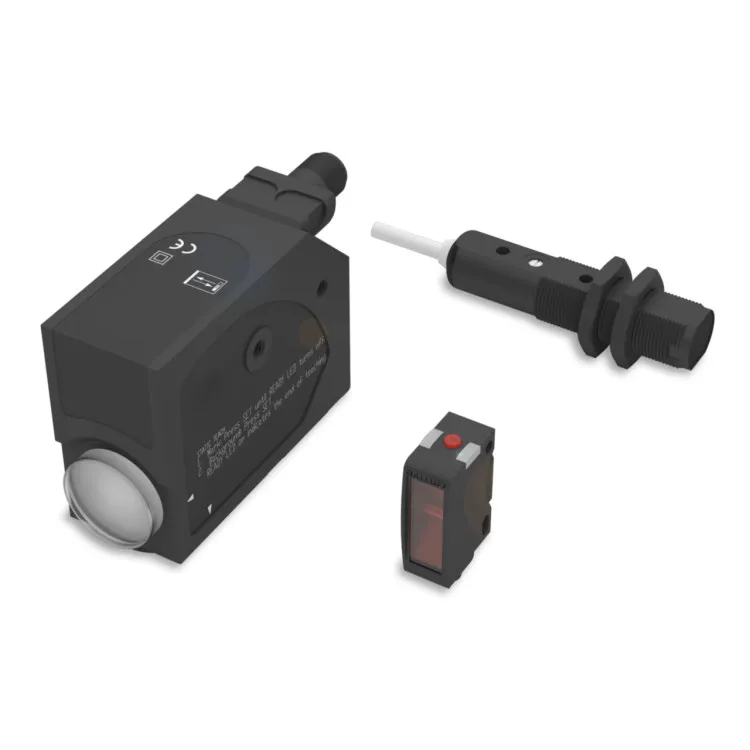
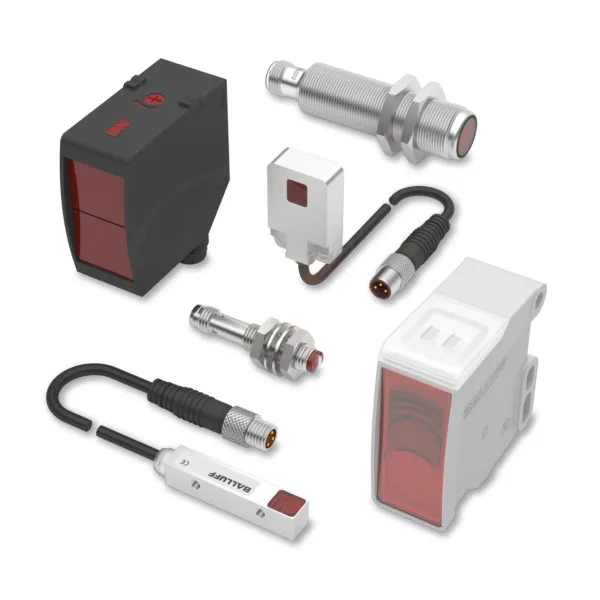
Before we discuss their application in traffic control, let's first understand what counter sensors are. A counter sensor is a type of optoelectronic sensor that is designed to detect and count objects as they pass through its detection field. These sensors work based on the principle of light emission and reception. When an object interrupts the light beam between the emitter and the receiver, the sensor registers a count.
Counter sensors come in various types, including through - beam sensors, retro - reflective sensors, and diffuse sensors. Through - beam sensors have separate emitter and receiver units, with the object passing between them. Retro - reflective sensors use a reflector to bounce the light back to the receiver, and an object in the path disrupts this reflection. Diffuse sensors detect objects by the light reflected directly off the object itself.
Traffic Control Requirements
Traffic control systems need to perform several key functions. Firstly, they must accurately count the number of vehicles passing through a particular point, such as an intersection or a toll booth. This data is crucial for traffic flow analysis, capacity planning, and revenue collection at toll facilities. Secondly, traffic control systems need to detect the presence of vehicles in real - time to manage traffic signals effectively. For example, traffic lights can be adjusted based on the number of vehicles waiting at an intersection.
Another important requirement is the ability to distinguish between different types of vehicles, such as cars, trucks, and motorcycles. This information can be used to optimize traffic flow, allocate lanes more efficiently, and enforce vehicle - specific regulations.
How Counter Sensors Can Meet Traffic Control Needs
- Vehicle Counting
Counter sensors are well - suited for accurate vehicle counting. Their high - precision detection capabilities allow them to count each vehicle that passes through their detection area. For instance, at a toll booth, a counter sensor can be installed to count the number of vehicles entering and exiting the toll plaza. This data can be used to calculate toll revenues and analyze traffic patterns during different times of the day.
In a multi - lane highway, multiple counter sensors can be installed across the lanes to count the total number of vehicles on the road. The data collected can be used by traffic management centers to monitor traffic volume and make informed decisions about road expansion or traffic diversion. - Vehicle Presence Detection
For traffic signal control, counter sensors can detect the presence of vehicles at an intersection. When a vehicle enters the detection field of a counter sensor, it can send a signal to the traffic signal controller, indicating that there is a vehicle waiting. This enables the traffic lights to adjust their timing according to the actual traffic demand, reducing waiting times and improving traffic flow. - Vehicle Classification
Although basic counter sensors are mainly for counting, more advanced models can be used in combination with other sensors or algorithms to classify vehicles. For example, by analyzing the time taken for a vehicle to pass through the detection field and the intensity of the reflected light, it may be possible to distinguish between different vehicle types. A large truck will take longer to pass through the sensor's detection area compared to a small car, and the reflection characteristics may also vary.
Advantages of Using Counter Sensors in Traffic Control
- Cost - effectiveness
Counter sensors are relatively inexpensive compared to some other traffic detection technologies, such as inductive loop detectors or radar sensors. They are easy to install and require minimal maintenance, which makes them a cost - effective solution for traffic control applications, especially in areas with budget constraints. - High Precision
These sensors offer high - precision detection, ensuring accurate vehicle counting and presence detection. This precision is essential for reliable traffic data collection and effective traffic control. - Flexibility
Counter sensors can be easily installed in various locations, such as on poles, bridges, or traffic signal structures. They can also be adjusted to different detection ranges and angles, making them suitable for a wide range of traffic control scenarios, from small intersections to large highway networks.
Challenges and Limitations
- Environmental Factors
Counter sensors can be affected by environmental factors such as rain, fog, and sunlight. Heavy rain or fog can scatter the light beam, reducing the sensor's detection accuracy. Intense sunlight can also interfere with the sensor's operation, causing false detections or missed counts. However, some advanced counter sensors are designed with anti - interference features to mitigate these effects. - Limited Detection Range
Compared to some other traffic detection technologies, counter sensors have a relatively limited detection range. This may require multiple sensors to be installed in large - scale traffic control applications, which can increase the overall cost and complexity of the system.
Complementary Sensors in Traffic Control
To overcome the limitations of counter sensors, they can be used in combination with other types of sensors. For example, Colour Sensor can be used to detect the color of vehicles, which can provide additional information for vehicle classification. A contrast sensor, such as the Contrast Sensor, can be used to detect markings on the road or on vehicles, enhancing the overall traffic detection capabilities.
Real - World Applications
There are already some real - world examples of counter sensors being used in traffic control. In some small towns, counter sensors have been installed at intersections to count the number of vehicles and adjust traffic signal timings accordingly. At toll booths, counter sensors are used to count the number of vehicles passing through, ensuring accurate toll collection.
Conclusion
In conclusion, counter sensors have significant potential in traffic control. Their ability to accurately count vehicles, detect their presence, and be used in combination with other sensors makes them a valuable tool for traffic management. While they do face some challenges, such as environmental interference and limited detection range, these can be mitigated through technological advancements and the use of complementary sensors.
As a supplier of counter sensors, we are committed to providing high - quality products that meet the needs of traffic control applications. If you are interested in exploring the use of counter sensors in your traffic control projects, or if you have any questions about our products, we encourage you to contact us for a detailed discussion. We look forward to working with you to develop innovative and effective traffic control solutions.
References
- Traffic Engineering Handbook, Institute of Transportation Engineers
- Optoelectronic Sensors: Principles and Applications, Academic Press
- Journal of Intelligent Transportation Systems Research