

As a supplier of DC servo motors, I often encounter inquiries from customers regarding the suitability of our products for high - temperature environments. This is a crucial question, as many industrial applications, such as steel manufacturing, glass production, and some aerospace operations, expose equipment to extreme heat. In this blog, I will delve into the technical aspects of whether a DC servo motor can be used in a high - temperature environment, the challenges it faces, and the solutions we offer.
Technical Limitations in High - Temperature Environments
DC servo motors are designed to convert electrical energy into mechanical energy with high precision and controllability. However, high temperatures can significantly affect their performance and lifespan.
Impact on Electrical Components
The insulation materials used in the motor windings are one of the most vulnerable parts in high - temperature conditions. Most standard insulation materials have a limited temperature rating. For example, Class B insulation can typically withstand temperatures up to 130°C, while Class F can handle up to 155°C. When the temperature exceeds these ratings, the insulation can degrade, leading to short - circuits and motor failure.
The magnetic properties of the motor's core materials are also temperature - sensitive. As the temperature rises, the magnetic flux density may decrease, which reduces the motor's torque output. This means that the motor may not be able to deliver the required power, affecting the overall performance of the system it is part of.
Lubrication and Mechanical Components
In high - temperature environments, the lubricants used in the motor's bearings can thin out or even evaporate. This leads to increased friction between the moving parts, which not only reduces the motor's efficiency but also accelerates wear and tear. Over time, this can cause bearing failure, which is a common and costly problem in motor maintenance.
Our Solutions for High - Temperature Applications
Despite these challenges, we have developed several strategies to make our DC servo motors suitable for high - temperature environments.
High - Temperature Insulation Materials
We offer motors with high - grade insulation materials that can withstand much higher temperatures. For example, we use Class H insulation, which can tolerate temperatures up to 180°C. This significantly extends the motor's lifespan in high - temperature conditions and reduces the risk of electrical failures.
Specialized Lubricants
Our engineers have selected lubricants that are specifically formulated for high - temperature applications. These lubricants have a high viscosity index, which means they can maintain their lubricating properties even at elevated temperatures. This helps to reduce friction and wear on the bearings, ensuring smooth operation and a longer service life.
Cooling Systems
In some cases, we incorporate cooling systems into our motors to dissipate heat more effectively. For example, we offer liquid - cooled and air - cooled options. Liquid - cooled systems use a coolant, such as water or a special coolant fluid, to absorb heat from the motor and transfer it to a heat exchanger. Air - cooled systems, on the other hand, use fans or blowers to force air over the motor's surface, carrying away the heat.
Product Recommendations
We have a range of products that are suitable for high - temperature environments. Our Low - voltage Servo Motor is designed with high - temperature insulation and can be paired with a cooling system for optimal performance. The Integrated Servo Wheel is another excellent option, especially for applications where space is limited. It combines the motor, drive, and wheel into a single unit, and its compact design allows for efficient heat dissipation.
For those who need a more compact solution, our Mini DC Servo Driver is a great choice. It is small in size but powerful enough to drive the motor in high - temperature environments.
Case Studies
To illustrate the effectiveness of our solutions, let me share a few case studies. A customer in the steel industry was experiencing frequent motor failures in their rolling mill due to the high - temperature environment. After switching to our DC servo motors with Class H insulation and specialized lubricants, the motor failures were significantly reduced. The customer reported a 30% increase in motor lifespan and a 20% improvement in overall production efficiency.

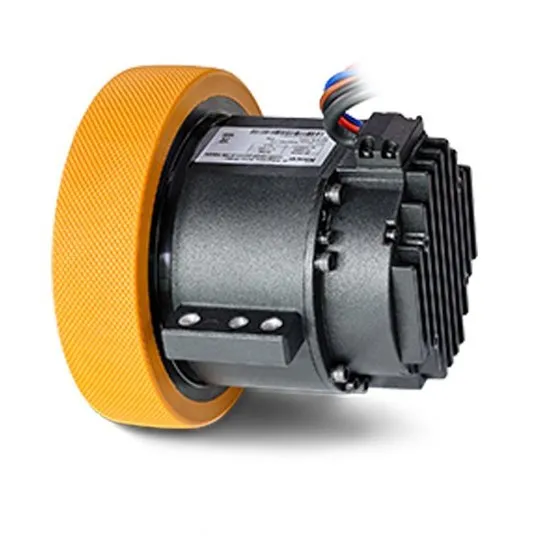
Another customer in the glass manufacturing industry was struggling with the performance of their conveyor systems. Our Integrated Servo Wheel with a built - in cooling system was installed, and it solved the problem of torque loss at high temperatures. The system now runs smoothly, and the customer has seen a reduction in maintenance costs.
Conclusion
In conclusion, while DC servo motors face significant challenges in high - temperature environments, with the right design and technology, they can be used effectively. Our company, as a leading supplier of DC servo motors, is committed to providing high - quality products that can meet the demands of various high - temperature applications.
If you are interested in our DC servo motors for high - temperature environments or have any questions about our products, we encourage you to contact us for a detailed discussion. Our experienced team of engineers and sales representatives will be happy to assist you in finding the best solution for your specific needs.
References
- "Electric Motors and Drives: Fundamentals, Types, and Applications" by Austin Hughes.
- "Motor Handbook" by Arnold Tustin.