
Can general PLCs be used in the chemical industry? This is a question that often arises in discussions about automation and control systems in the chemical manufacturing sector. As a reputable general PLC supplier, I am well - versed in the capabilities of general PLCs and the unique requirements of the chemical industry, so I'd like to delve into this topic in detail.
Introduction to General PLCs
General Programmable Logic Controllers (PLCs) are industrial digital computers that have been designed for the automation of various industrial processes. They are known for their robustness, reliability, and programmability. These devices can handle a wide range of input and output signals, such as analog and digital ones, and execute logic operations, time - based functions, and arithmetic calculations.
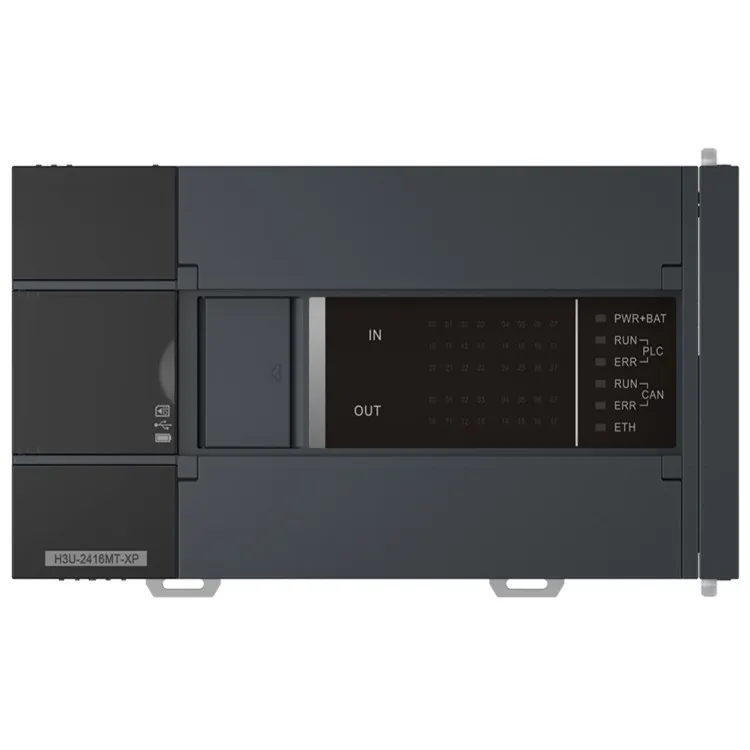
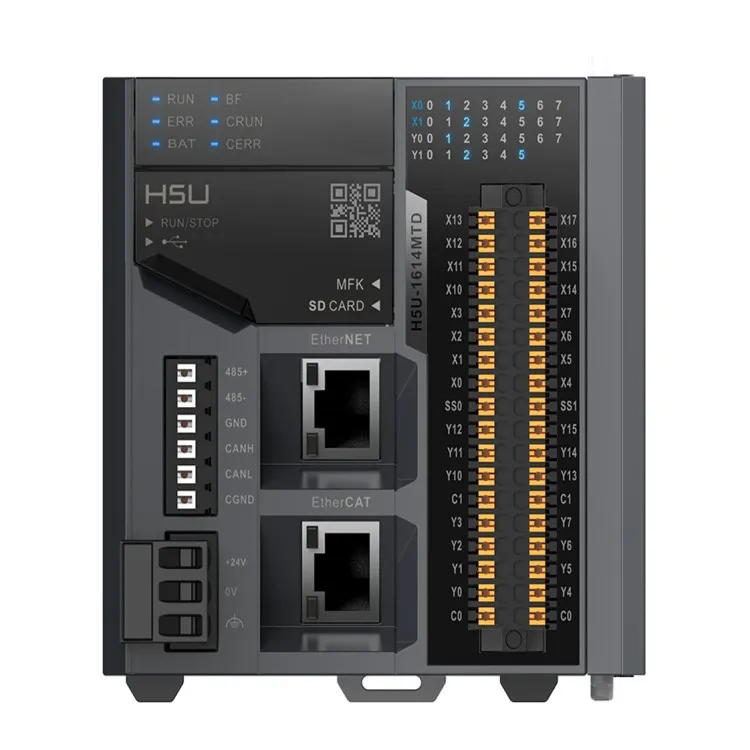
There are different types of general PLCs available in the market, each with its own features and advantages. For instance, the CAN Bus PLC offers a high - speed and reliable communication protocol, which is suitable for applications where real - time data transfer is crucial. The 485 Pulse PLC is well - known for its simple and cost - effective communication mode, making it a popular choice for many small - to - medium - scale industrial applications. The EtherCAT Bus PLC provides extremely fast communication speed and high - precision synchronization, which can meet the requirements of high - performance control systems.
Requirements of the Chemical Industry
The chemical industry has some very specific requirements when it comes to automation and control systems:
Safety
Safety is of the utmost importance in the chemical industry. Chemical processes often involve hazardous substances, such as flammable, explosive, or toxic chemicals. A small error in the control system can lead to serious accidents, including fires, explosions, and chemical leaks. Therefore, the control system must be able to detect abnormal conditions in a timely manner and take appropriate safety measures, such as shutting down the process or activating safety devices.
Precision
Chemical reactions are often very sensitive to process variables, such as temperature, pressure, flow rate, and pH value. Even small deviations from the set - points can affect the quality of the final product, or in some cases, cause the reaction to fail. As a result, the control system needs to be able to precisely regulate these variables to ensure the stability and quality of the chemical process.
Reliability
Chemical production is usually a continuous process. Any downtime in the control system can lead to significant economic losses. The control system must be highly reliable, with the ability to operate continuously for long periods of time without failure. It should also have redundant components and backup systems to ensure that it can continue to function even in the event of a component failure.
Compatibility
The chemical industry often uses a variety of different equipment and instruments, such as sensors, actuators, and analyzers. The control system needs to be compatible with these devices to ensure seamless integration and data exchange.
Suitability of General PLCs for the Chemical Industry
Advantages
- Programmability: General PLCs are highly programmable. They can be easily configured and programmed to meet the specific requirements of different chemical processes. For example, they can be programmed to implement complex control algorithms, such as PID control, to precisely regulate process variables. This flexibility allows chemical manufacturers to customize their control systems according to their production needs.
- Robustness: These PLCs are designed to operate in harsh industrial environments. They can withstand high temperatures, humidity, dust, and electrical interference, which are common in chemical plants. This makes them suitable for use in the chemical industry, where the operating conditions can be very challenging.
- Cost - effectiveness: Compared to some specialized control systems, general PLCs are relatively cost - effective. They offer a good balance between performance and cost, making them an attractive option for chemical manufacturers, especially for small - to - medium - scale enterprises.
Limitations
- Safety - related features: Although general PLCs can be programmed to implement basic safety functions, they may not have all the advanced safety features required by the chemical industry. For example, some chemical processes require safety - rated PLCs that are designed to meet strict safety standards, such as SIL (Safety Integrity Level) requirements. General PLCs may need to be supplemented with additional safety devices or systems to ensure the safety of the chemical process.
- High - precision control: In some high - precision chemical processes, such as the production of high - purity chemicals, general PLCs may not be able to provide the level of precision required. Specialized control systems with higher resolution and faster response times may be needed in these cases.
How to Overcome the Limitations
- Safety enhancement: To enhance the safety of general PLCs in the chemical industry, additional safety devices and systems can be used in conjunction with the PLCs. For example, safety relays, emergency stop buttons, and gas detectors can be integrated into the control system. Moreover, safety - rated communication protocols can be used to ensure the reliable transmission of safety - related data.
- High - precision control: For high - precision applications, general PLCs can be combined with high - end sensors and actuators. These devices can provide more accurate measurement and control of process variables. In addition, advanced control algorithms can be implemented in the PLCs to improve the control precision.
Case Studies
There are many successful cases of using general PLCs in the chemical industry. For example, in a small - scale chemical plant for producing pesticides, a general 485 Pulse PLC was used to control the mixing process. The PLC was programmed to control the flow rates of different raw materials and the mixing time. This simple and cost - effective solution helped the plant to improve the production efficiency and product quality.
In another case, a large - scale chemical company used EtherCAT Bus PLC in its distillation process. The high - speed communication and high - precision synchronization capabilities of the EtherCAT Bus PLC enabled the company to precisely control the temperature and pressure in the distillation columns, resulting in a significant improvement in the separation efficiency and product purity.
Conclusion
In summary, general PLCs can be used in the chemical industry, and they offer many advantages, such as programmability, robustness, and cost - effectiveness. However, they also have some limitations, especially in terms of safety and high - precision control. By combining general PLCs with additional safety devices and high - end sensors and actuators, and by implementing advanced control algorithms, these limitations can be overcome.
If you are in the chemical industry and are considering using general PLCs for your automation and control systems, I encourage you to contact us. Our team of experts can provide you with the most suitable PLC solutions based on your specific requirements. We are committed to helping you improve your production efficiency, product quality, and safety level.
References
- Kraus, G. (2007). Programmable Logic Controllers: Principles and Applications. Elsevier.
- Miller, R. E. (2016). Embedded System Design: Modeling, Analysis, and Simulation. Springer.
- Smith, B. T. (2018). Industrial Automation: Integrating Vision, Robotics, and Control. CRC Press.