

As a Siemens HMI supplier, I often encounter questions from clients about the suitability of Siemens HMIs in harsh environments. This topic is crucial as many industrial applications operate under extreme conditions, and the reliability of the HMI is paramount for seamless operations. In this blog, I will delve into the capabilities of Siemens HMIs in harsh environments, exploring their design features, performance, and real - world applications.
Design Features of Siemens HMIs for Harsh Environments
Siemens has engineered its HMIs with a series of robust design features to withstand harsh conditions. One of the key aspects is the build quality. Siemens HMIs, such as the Siemens Basic HMI, are constructed using high - quality materials. The enclosures are typically made of durable plastics or metals that can resist impacts, vibrations, and scratches. This is essential in industrial settings where machinery may cause accidental bumps or where the HMI is exposed to flying debris.
In addition to the physical robustness, Siemens HMIs are designed to handle a wide range of temperatures. The Siemens SIMATIC HMI models, for example, can operate effectively in both extreme heat and cold. They are equipped with advanced thermal management systems that prevent overheating in high - temperature environments and ensure proper functionality in low - temperature conditions. This is achieved through the use of efficient heat sinks, fans (in some models), and temperature - resistant components.
Another important design feature is protection against dust and moisture. Siemens HMIs are available with different levels of ingress protection (IP) ratings. These ratings indicate the degree of protection provided against solid objects and liquids. For instance, an HMI with an IP65 rating is dust - tight and protected against water jets from any direction. This makes it suitable for use in dusty or wet environments such as mines, construction sites, or food processing plants.
Performance in Harsh Environments
The performance of Siemens HMIs in harsh environments is highly reliable. In terms of display quality, the screens are designed to be visible even in bright sunlight or low - light conditions. They use high - contrast displays and anti - glare coatings, which ensure that operators can easily read the information on the screen regardless of the lighting situation. This is particularly important in outdoor applications or areas with variable lighting.
Siemens HMIs also offer stable communication capabilities in harsh environments. They support various communication protocols, such as Profibus, Ethernet, and CANopen, which allow for seamless integration with other industrial devices. The communication interfaces are designed to be immune to electromagnetic interference (EMI), which is common in industrial settings. This means that the HMI can maintain a reliable connection with the control system, even in the presence of strong electrical signals and noise.
The touchscreens of Siemens HMIs are responsive and durable. They can withstand repeated use, even with gloved hands or in dirty conditions. The touch technology used is designed to be insensitive to moisture and dust, ensuring that the HMI remains operational in challenging environments.
Real - World Applications
There are numerous real - world applications where Siemens HMIs have proven their worth in harsh environments. In the oil and gas industry, for example, HMIs are used in offshore platforms and refineries. These environments are characterized by high humidity, salt - air corrosion, and extreme temperature variations. Siemens HMIs are able to operate reliably under these conditions, providing operators with critical information about the production process, safety systems, and equipment status.
In the mining industry, HMIs are used in underground mines and surface operations. Mines are dusty environments with high levels of vibration and potential for mechanical impact. Siemens HMIs, with their rugged design and high - level IP ratings, can withstand the harsh conditions and provide operators with real - time monitoring and control of mining equipment.
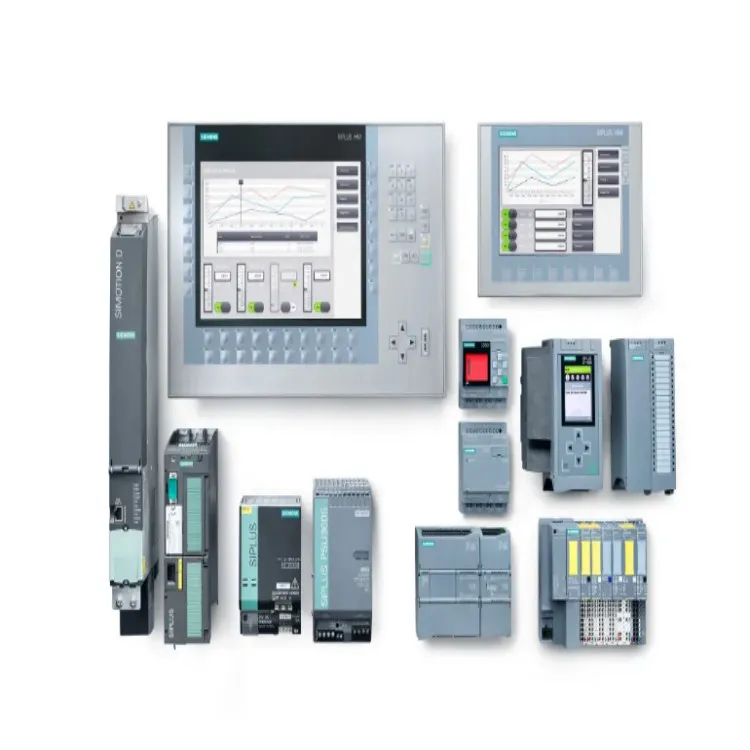
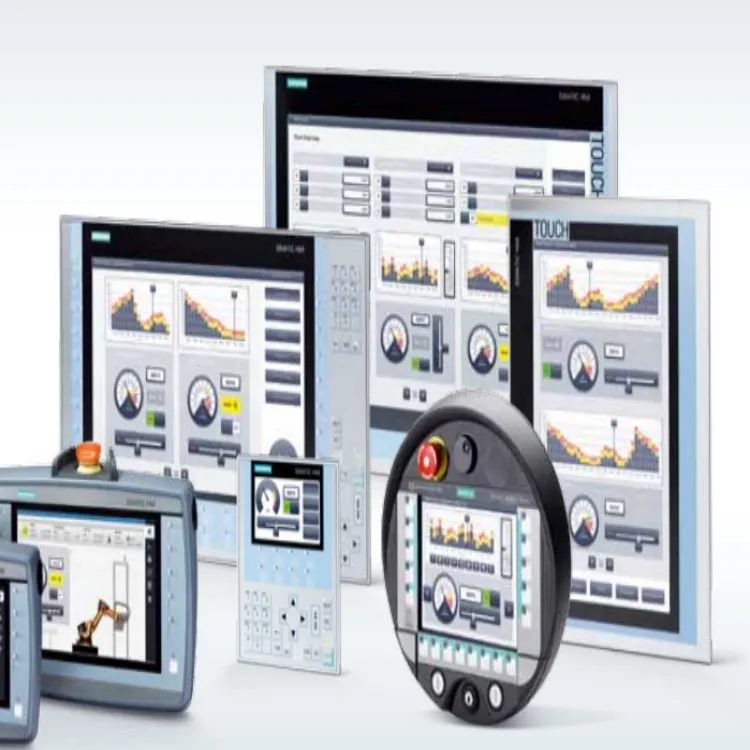
The automotive manufacturing industry also benefits from the use of Siemens HMIs in harsh environments. Assembly lines are often noisy, with high levels of mechanical movement and exposure to oil and grease. Siemens HMIs are able to operate in these conditions, allowing operators to manage the production process efficiently and make adjustments as needed.
Challenges and Solutions
While Siemens HMIs are designed to be suitable for harsh environments, there are still some challenges that may arise. One potential challenge is the long - term degradation of components due to continuous exposure to harsh conditions. For example, the display may experience reduced brightness over time, or the touchscreen may become less responsive.
To address these challenges, Siemens provides regular maintenance and support. They offer replacement parts and software updates to ensure that the HMIs continue to perform optimally. Additionally, proper installation and mounting of the HMIs can also help to extend their lifespan. For example, installing the HMI in a protected enclosure or using a mounting bracket that reduces vibration can minimize the impact of harsh conditions.
Conclusion
In conclusion, Siemens HMIs are well - suited for use in harsh environments. Their robust design features, reliable performance, and real - world applications demonstrate their ability to withstand extreme conditions. Whether it's in the oil and gas, mining, automotive, or other industries, Siemens HMIs provide operators with the critical information and control they need to ensure smooth and efficient operations.
If you are considering using Siemens HMIs in your harsh - environment applications, I encourage you to reach out to me for more information. As a Siemens HMI supplier, I can provide you with detailed product specifications, pricing, and support. Let's have a discussion about how Siemens HMIs can meet your specific requirements and enhance the performance of your operations.
References
- Siemens HMI product documentation
- Industry reports on the use of HMIs in harsh environments