
Hey there! As a supplier of Valve Islands, I'm super stoked to dive into how these nifty devices communicate with control systems. Valve Islands are pretty awesome pieces of tech, and understanding their communication methods is key to getting the most out of them. So, let's get right into it!
First off, what are Valve Islands? Well, Valve Islands are basically modular valve systems that group multiple valves together in a single unit. They're used in a whole bunch of industries, from manufacturing to automation, to control the flow of fluids or gases. And the way they communicate with control systems is crucial for making sure everything runs smoothly.
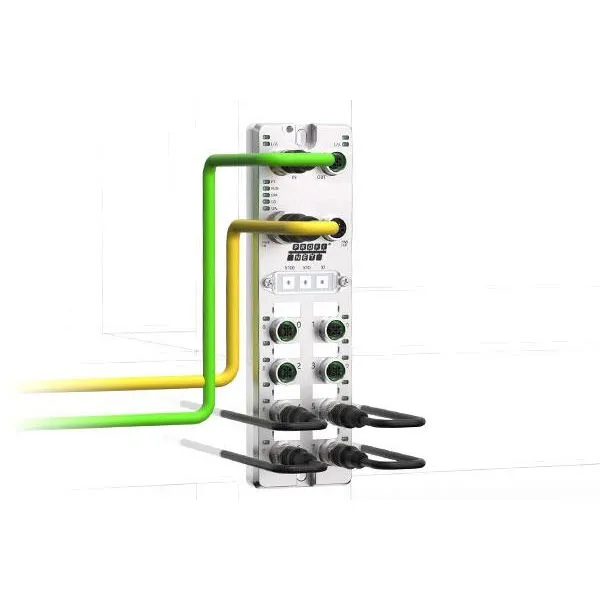
One of the most common ways Valve Islands communicate is through a fieldbus system. A fieldbus is like a digital highway that allows different devices in an industrial setting to talk to each other. There are several types of fieldbuses out there, such as Profibus, DeviceNet, and Ethernet/IP. Each has its own set of rules and protocols for communication, but they all serve the same basic purpose: to transfer data between the Valve Island and the control system.
Let's take Profibus as an example. Profibus is a widely used fieldbus standard in Europe and around the world. When a Valve Island is connected to a Profibus network, it can send and receive data in a structured way. The control system, usually a Programmable Logic Controller (PLC), acts as the master of the network. It sends commands to the Valve Island, like opening or closing a specific valve, and the Valve Island responds by sending back status information, such as whether the valve is open or closed.
Another popular communication method is IO-Link. IO-Link is a point-to-point communication protocol that's designed to connect sensors and actuators, like Valve Islands, to the control system. It's a really flexible and cost-effective solution, especially for smaller systems or applications where you need to connect a lot of devices.
With IO-Link, you need two main components: an IO-Link Master and an IO-Link Device Module. The IO-Link Master is connected to the control system, usually via a fieldbus or Ethernet. It acts as the interface between the control system and the IO-Link devices. The IO-Link Device Module, on the other hand, is connected to the Valve Island. It takes care of the communication between the Valve Island and the IO-Link Master.
Here's how it works. The control system sends commands to the IO-Link Master. The IO-Link Master then forwards these commands to the IO-Link Device Module, which in turn sends them to the Valve Island. The Valve Island executes the commands and sends back the status information to the IO-Link Device Module. The IO-Link Device Module then sends this information back to the IO-Link Master, which finally passes it on to the control system.
One of the great things about IO-Link is that it allows for parameterization and diagnostics. You can use the control system to set up and configure the Valve Island, such as setting the valve opening time or the pressure limits. And if there's a problem with the Valve Island, the IO-Link system can provide detailed diagnostic information, like which valve is malfunctioning or if there's a communication error.
Now, let's talk about the benefits of these communication methods. One of the biggest advantages is increased efficiency. By using a digital communication protocol, the control system can send commands to the Valve Island much faster and more accurately than with traditional analog methods. This means that the valves can be controlled more precisely, leading to better process control and reduced waste.
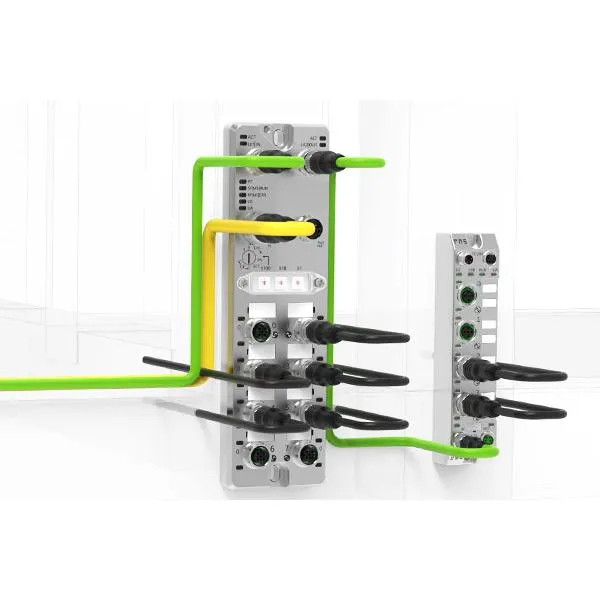
Another benefit is flexibility. With fieldbus and IO-Link systems, you can easily add or remove Valve Islands from the network without having to rewire the entire system. This makes it easier to expand or modify your system as your needs change.
And let's not forget about reliability. Digital communication protocols are less susceptible to interference and noise than analog methods. This means that the communication between the Valve Island and the control system is more stable and reliable, reducing the risk of system failures.
So, if you're in the market for Valve Islands, it's important to consider the communication method that best suits your needs. Whether you choose a fieldbus system or an IO-Link solution, make sure you understand how it works and what benefits it can offer.
As a Valve Islands supplier, I'm here to help you make the right choice. I've got a wide range of Valve Islands and communication solutions to choose from, and I can provide you with all the technical support you need. Whether you're a small business looking for a simple solution or a large corporation in need of a complex system, I've got you covered.
If you're interested in learning more about our Valve Islands or have any questions about how they communicate with control systems, don't hesitate to reach out. I'd love to have a chat with you and see how I can help you take your system to the next level.
In conclusion, understanding how Valve Islands communicate with control systems is essential for getting the most out of these devices. Whether you choose a fieldbus or an IO-Link solution, both offer a range of benefits in terms of efficiency, flexibility, and reliability. So, if you're looking for a high-quality Valve Island and communication solution, give me a shout. I'm here to help you make the right choice for your business.
References
- "Fieldbus Technology Handbook" by Peter Welborn
- "IO-Link: The Communication Standard for the Future" by Siemens AG