
In the realm of industrial automation, system complexity can often be a significant hurdle, leading to increased costs, longer installation times, and higher maintenance requirements. As a supplier of Valve Islands, I've witnessed firsthand how these innovative devices can play a pivotal role in streamlining industrial processes and reducing system complexity. In this blog post, I'll delve into the various ways valve islands achieve this and why they are an essential component in modern automation systems.
Centralized Control and Simplified Wiring
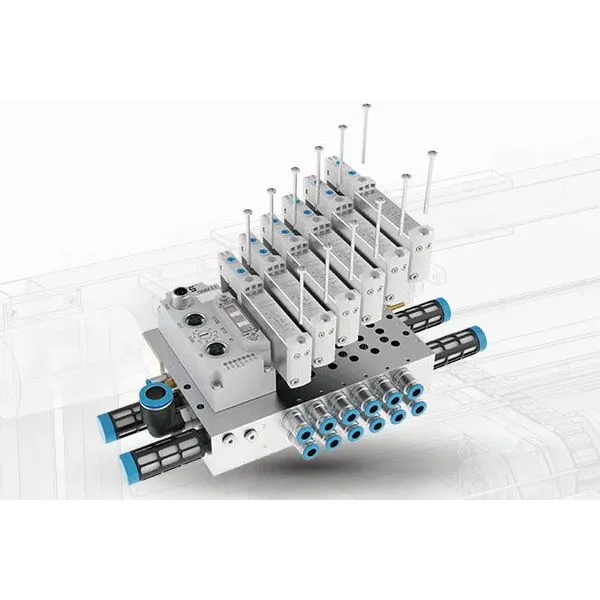
One of the primary ways valve islands reduce system complexity is through centralized control. In traditional pneumatic systems, each individual valve requires its own dedicated wiring and control connection. This can result in a maze of cables and wires, making the system difficult to install, troubleshoot, and expand. Valve islands, on the other hand, consolidate multiple valves into a single unit, allowing for centralized control and a more organized wiring scheme.
By using a valve island, you can significantly reduce the amount of wiring required in your system. Instead of running individual wires to each valve, you can connect a single communication cable to the valve island, which then distributes the control signals to the individual valves. This not only simplifies the installation process but also reduces the risk of wiring errors, which can lead to system failures and downtime.
For example, consider a large manufacturing plant with hundreds of pneumatic valves. In a traditional system, each valve would need to be connected to a separate control panel, resulting in a complex and time-consuming wiring installation. With a valve island, however, all of the valves can be connected to a single unit, which can be easily integrated into the plant's existing control system. This not only saves time and money but also makes the system more reliable and easier to maintain.
Modular Design for Easy Expansion and Customization
Another advantage of valve islands is their modular design, which allows for easy expansion and customization. Valve islands are typically composed of individual valve modules that can be easily added or removed as needed. This means that you can start with a basic configuration and then expand the system as your requirements change over time.
The modular design of valve islands also allows for greater flexibility in terms of valve selection and configuration. You can choose from a wide range of valve types, sizes, and flow rates to meet the specific needs of your application. Additionally, you can configure the valve island to include features such as pressure sensors, flow meters, and diagnostic capabilities, which can further enhance the functionality and performance of your system.
For instance, let's say you have a packaging line that requires a certain number of pneumatic valves to control the movement of products. As your production volume increases, you may need to add more valves to the system to keep up with the demand. With a valve island, you can simply add additional valve modules to the existing unit, without having to make any significant changes to the wiring or control system. This makes it easy to scale your system up or down as needed, without incurring excessive costs or downtime.
Integration with IO-Link and Multi-Protocol Networks
Valve islands are often designed to be compatible with IO-Link and multi-protocol networks, which further reduces system complexity and enhances connectivity. IO-Link is a standardized communication protocol that allows for seamless integration between sensors, actuators, and control systems. By using an IO-Link Device Module in conjunction with a valve island, you can easily connect the valves to your existing automation network, without the need for additional wiring or complex programming.
Multi-protocol networks, on the other hand, allow valve islands to communicate with a variety of different control systems, regardless of the protocol they use. This means that you can integrate valve islands into your existing system, even if it uses a different communication protocol than the valve island. By using a Multi-protocol Network Module, you can ensure that your valve island is compatible with a wide range of control systems, including Ethernet/IP, Profibus, and DeviceNet.
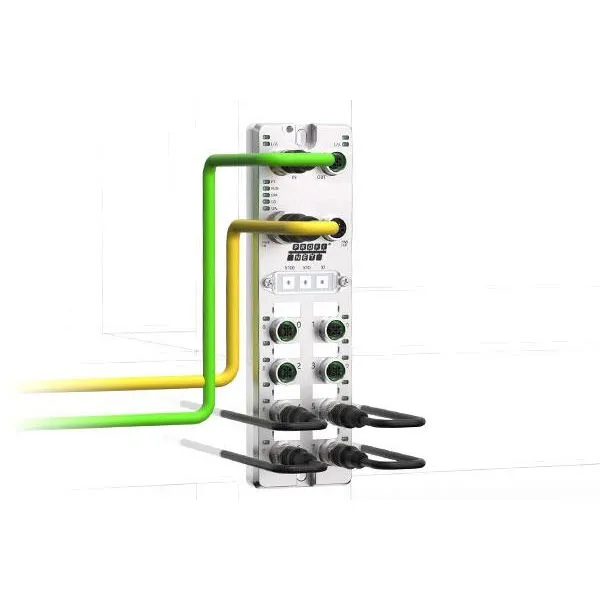
The integration of valve islands with IO-Link and multi-protocol networks not only simplifies the installation and configuration process but also provides real-time data and diagnostic information. This allows you to monitor the performance of your valves, detect potential issues before they become major problems, and make adjustments to the system as needed. For example, you can use the diagnostic information provided by the valve island to identify a valve that is not functioning properly and replace it before it causes a production stoppage.
Reduced Maintenance and Downtime
Valve islands can also help to reduce maintenance requirements and downtime in industrial automation systems. By consolidating multiple valves into a single unit, valve islands make it easier to access and service the valves, which can reduce the time and effort required for maintenance. Additionally, the modular design of valve islands allows for easy replacement of individual valve modules, which can minimize downtime in the event of a valve failure.
Many valve islands are equipped with diagnostic capabilities that can help to identify potential issues before they become major problems. For example, some valve islands can monitor the pressure, temperature, and flow rate of the pneumatic system and provide real-time feedback to the control system. This allows you to detect and address issues such as leaks, blockages, and valve malfunctions before they cause a production stoppage.
By reducing maintenance requirements and downtime, valve islands can help to improve the overall efficiency and productivity of your industrial automation system. This can result in significant cost savings over time, as well as a more reliable and consistent production process.
Conclusion
In conclusion, valve islands are a powerful tool for reducing system complexity in industrial automation. Through centralized control, simplified wiring, modular design, integration with IO-Link and multi-protocol networks, and reduced maintenance requirements, valve islands can help to streamline your processes, improve efficiency, and reduce costs. As a supplier of Valve Islands, I understand the importance of providing high-quality products that meet the needs of modern automation systems.
If you're interested in learning more about how valve islands can reduce system complexity in your specific application, I encourage you to get in touch with our team. We can provide you with detailed information about our products, offer technical support, and help you find the best solution for your needs. Contact us today to start the conversation and take the first step towards a more streamlined and efficient automation system.
References
- Pneumatic Systems Handbook, various authors
- IO-Link Technology Guides, industry publications
- Multi-Protocol Network Standards Documentation