

Hey there! As an IoT Gateway supplier, I've been diving deep into the world of how these nifty devices handle device registration. It's a crucial process that can make or break the functionality of an IoT system, so let's dig in and explore it together.
First off, let's talk about what an IoT Gateway actually is. In simple terms, it's like the traffic cop of an IoT network. It sits between the devices at the edge of the network and the cloud or other central systems, managing the flow of data and ensuring that everything runs smoothly. It can support different communication protocols, translate data formats, and provide security features.
When it comes to device registration, the IoT Gateway plays a vital role. It's the first point of contact for new devices joining the network. The process typically starts when a device tries to connect to the gateway. The gateway needs to verify the device's identity and make sure it's authorized to be part of the network.
One common way to handle device registration is through pre - provisioning. Before a device is deployed, we can configure all the necessary information on the gateway. This includes things like the device's unique identifier, security keys, and communication settings. When the device is powered on and tries to connect, the gateway can quickly recognize it based on this pre - loaded data. It's like having a VIP list at a club. If your name's on the list, you're in!
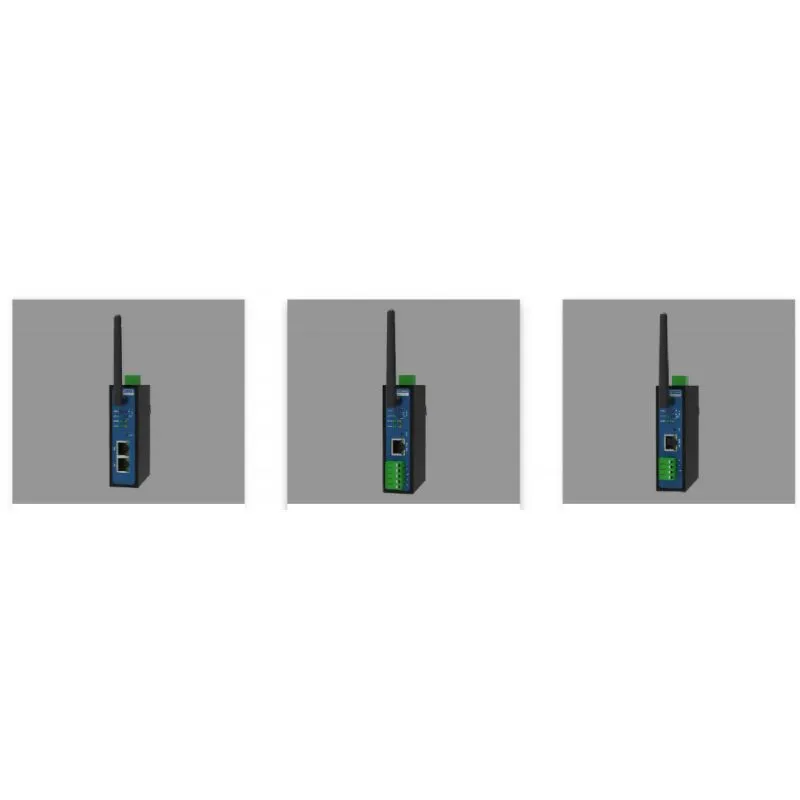

Another approach is self - registration. In this case, the device itself initiates the registration process. It sends a registration request to the gateway, which usually contains some basic information about the device, such as its model, firmware version, and a unique serial number. The gateway then checks this information against a set of rules or a database. If everything checks out, the gateway assigns the device a unique ID within the network and provides it with the necessary security credentials.
Security is a major concern during device registration. We don't want just any random device to be able to connect to our network. That's why we use various security mechanisms. For example, we can use digital certificates. A device can present its certificate to the gateway during registration. The gateway can then verify the certificate's authenticity using a trusted certificate authority. It's like showing your ID at the airport to prove who you are.
We also use encryption to protect the data exchanged during registration. This ensures that even if someone tries to intercept the communication between the device and the gateway, they won't be able to make sense of the information. AES (Advanced Encryption Standard) is a commonly used encryption algorithm in IoT systems.
Now, let's talk about the role of the gateway in managing different types of devices. In an IoT ecosystem, there can be a wide variety of devices, from simple sensors to complex Button - integrated HMI units. Each device may have its own specific requirements for registration.
For simple sensors, the registration process might be relatively straightforward. They usually have limited processing power, so the gateway needs to handle most of the heavy - lifting. The gateway can collect the sensor's data and format it in a way that can be easily understood by the central system.
On the other hand, more advanced devices like Waterproof Touch Screen units may have more complex registration requirements. They may need to establish a secure connection with the gateway, transfer large amounts of data, and support additional features like remote configuration. The gateway needs to be able to handle these different scenarios and ensure that each device is registered and integrated properly into the network.
Once a device is registered, the gateway continues to play an important role in managing it. It monitors the device's status, collects data from it, and can even send commands back to the device if needed. For example, if a sensor reports abnormal readings, the gateway can send an alert to the central system and also send a command to the sensor to take corrective action.
In addition to handling individual device registration, the gateway also needs to manage the overall device population in the network. It needs to keep track of which devices are connected, which ones are offline, and when new devices are added or removed. This information is crucial for maintaining the stability and efficiency of the IoT system.
So, why should you choose our IoT Gateway for your device registration needs? Well, we've put a lot of effort into making our gateway highly flexible and secure. It can support a wide range of devices and communication protocols, ensuring that you can integrate all your IoT devices seamlessly. Our gateway also has built - in security features that protect your network from unauthorized access.
If you're in the market for an IoT Gateway that can handle device registration like a pro, we'd love to have a chat with you. Whether you're a small business looking to set up a simple IoT system or a large enterprise with complex requirements, we have the solution for you. Contact us to start a conversation about how our IoT Gateway can fit into your IoT strategy.
References
- IoT Handbook: A Guide to the Internet of Things
- Industrial IoT Security Best Practices