
Hey there! As an industrial VFD (Variable Frequency Drive) supplier, I get asked all the time, "How do I choose the right industrial VFD for my application?" It's a great question, and in this blog, I'm going to break it down for you.
Understanding Your Application
First things first, you need to have a clear understanding of your application. What kind of equipment are you using the VFD for? Is it a water pump, a conveyor belt, or maybe a compressor? Each application has its own unique requirements, and these will play a big role in determining the right VFD for you.
For example, if you're using the VFD for a Water Pump Inverter, you'll need to consider factors like the pump's flow rate, head pressure, and the type of fluid it's pumping. Water pumps often require a VFD that can provide precise control over the motor's speed to maintain a consistent flow and pressure.
On the other hand, if you're dealing with a Solar Pump Inverter, the power source is solar energy. So, you'll need a VFD that can work efficiently with solar panels, handle variable input voltages, and maximize the use of the available solar power.
Power Requirements
One of the most important factors to consider is the power requirements of your application. You need to know the motor's horsepower (HP) or kilowatts (kW) rating, as well as the voltage and current requirements. The VFD you choose must be able to handle the power demands of your motor without overheating or failing.
It's also a good idea to leave some room for future growth or changes in your application. If you think you might need to increase the motor's power in the future, it's better to choose a VFD with a slightly higher power rating than what you currently need.
Speed and Torque Control
Different applications require different levels of speed and torque control. Some applications, like a simple fan or a conveyor belt, may only need basic speed control. In these cases, a standard VFD with basic speed regulation features may be sufficient.
However, for more complex applications, such as a machine tool or a robotic arm, you'll need a VFD that can provide precise speed and torque control. These types of applications often require a VFD with advanced control algorithms, such as vector control or sensorless vector control, to achieve accurate and responsive performance.
Environmental Conditions
The environment in which the VFD will be installed is another important consideration. If the VFD will be installed in a harsh environment, such as a dusty or wet area, you'll need to choose a VFD that is designed to withstand these conditions.
Look for VFDs with a high degree of protection, such as an IP (Ingress Protection) rating. An IP rating indicates the level of protection against solid objects and liquids. For example, an IP65-rated VFD is dust-tight and protected against low-pressure water jets.
Communication and Control Features
In today's industrial automation systems, communication and control features are becoming increasingly important. You may need to integrate the VFD with other devices, such as a programmable logic controller (PLC) or a human-machine interface (HMI).
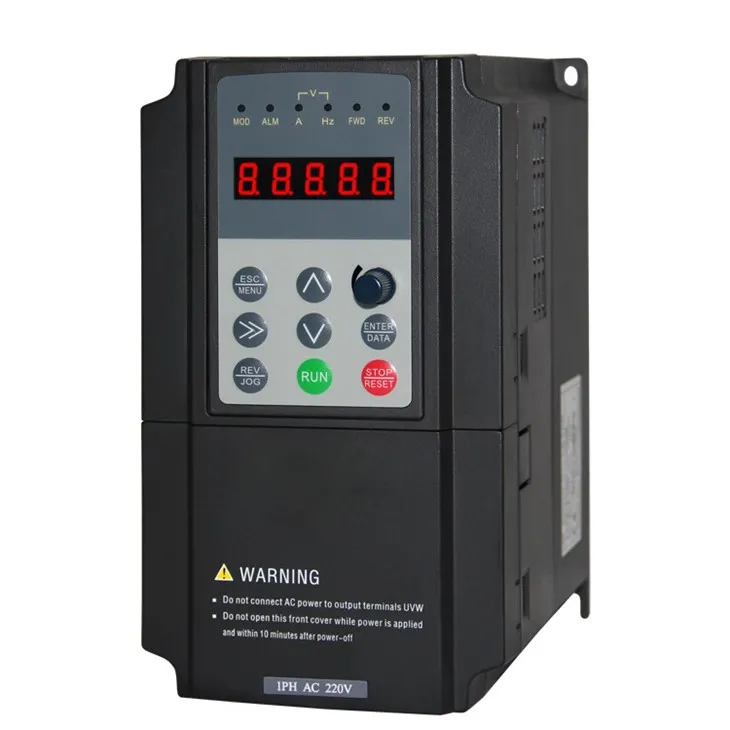
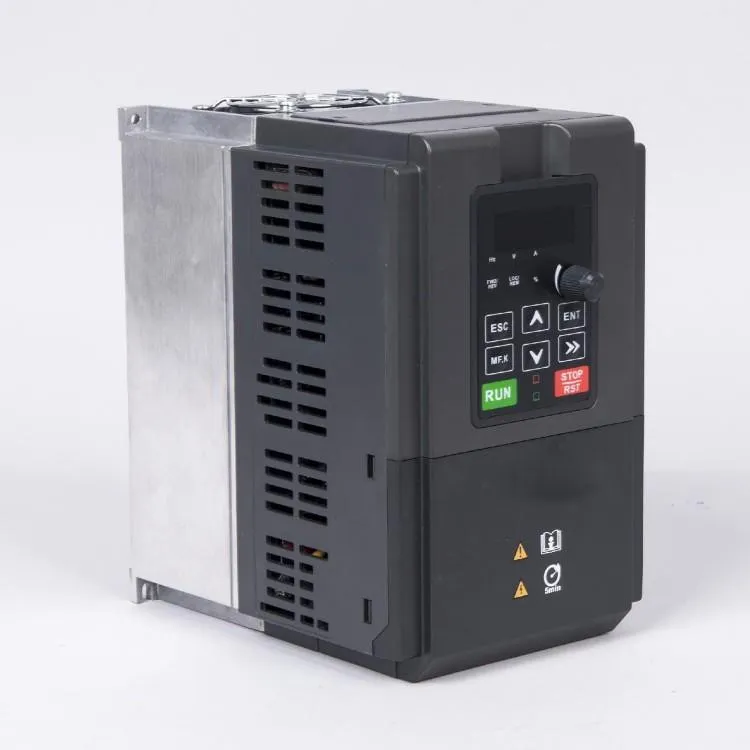
Make sure the VFD you choose has the necessary communication interfaces, such as Modbus, Profibus, or Ethernet. These interfaces allow you to communicate with the VFD and control it remotely, as well as monitor its performance and status.
Cost and Efficiency
Of course, cost is always a factor when choosing an industrial VFD. You want to find a VFD that meets your requirements without breaking the bank. However, it's important to remember that the cheapest option may not always be the best.
Consider the long-term cost of ownership, including energy efficiency, maintenance, and reliability. A more expensive VFD with higher energy efficiency may save you money in the long run by reducing your energy consumption and maintenance costs.
Other Considerations
There are a few other things to keep in mind when choosing an industrial VFD. For example, some applications may require a VFD with a specific safety feature, such as overcurrent protection or short-circuit protection.
You should also consider the reputation and support of the VFD manufacturer. Choose a manufacturer with a good track record of producing high-quality VFDs and providing excellent customer support.
Conclusion
Choosing the right industrial VFD for your application can be a challenging task, but by considering the factors I've discussed in this blog, you can make an informed decision. Remember to understand your application, consider the power requirements, speed and torque control, environmental conditions, communication and control features, cost and efficiency, and other important factors.
If you have any questions or need further assistance in choosing the right industrial VFD for your application, don't hesitate to contact us. We're here to help you find the perfect VFD for your needs. Whether you're looking for a Water Pump Inverter, a Solar Pump Inverter, or an Ozone Generator Power Supply, we have a wide range of high-quality VFDs to choose from.
Let's start a conversation and find the best solution for your industrial VFD needs. We look forward to hearing from you!
References
- "Variable Frequency Drives: Selection, Application, and Maintenance" by Thomas H. Bishop
- "Industrial Automation Handbook" by David A. Bell