

Selecting the right colour sensor for a specific application is a crucial decision that can significantly impact the efficiency and accuracy of your operations. As a leading supplier of Colour Sensor, I understand the complexities involved in this process. In this blog post, I will guide you through the key factors to consider when choosing a colour sensor, ensuring that you make an informed decision that meets your unique requirements.
Understanding Your Application Requirements
The first step in selecting the right colour sensor is to have a clear understanding of your application requirements. Different applications have different needs, and it's essential to identify the specific parameters that the colour sensor must meet. Here are some questions to consider:
- What is the purpose of the colour sensor? Is it for quality control, sorting, identification, or another application?
- What are the colour ranges and tolerances that need to be detected? Different sensors have different levels of accuracy and sensitivity, so it's important to choose one that can detect the specific colours and variations required for your application.
- What is the environment in which the sensor will be used? Factors such as temperature, humidity, and lighting conditions can affect the performance of the colour sensor, so it's important to choose one that is suitable for the specific environment.
- What is the required response time? Some applications require a fast response time, while others can tolerate a slower one. Make sure to choose a sensor that can meet the response time requirements of your application.
Types of Colour Sensors
There are several types of colour sensors available on the market, each with its own advantages and disadvantages. Here are some of the most common types:
- RGB Sensors: These sensors measure the intensity of red, green, and blue light to determine the colour of an object. They are widely used in applications such as colour matching, quality control, and colour sorting.
- Colorimetric Sensors: These sensors use a more sophisticated algorithm to measure the colour of an object based on its spectral characteristics. They are more accurate and precise than RGB sensors and are often used in applications such as medical diagnostics, food and beverage inspection, and automotive paint inspection.
- Hyperspectral Sensors: These sensors measure the entire spectrum of light reflected or transmitted by an object, providing detailed information about its chemical composition and physical properties. They are used in applications such as remote sensing, agriculture, and environmental monitoring.
Key Features to Consider
When choosing a colour sensor, there are several key features that you should consider to ensure that it meets your specific requirements. Here are some of the most important features:
- Accuracy and Precision: The accuracy and precision of the colour sensor are crucial factors to consider, especially in applications where precise colour measurement is required. Look for a sensor that has a high level of accuracy and precision, and that can provide consistent results over time.
- Sensitivity: The sensitivity of the colour sensor determines how well it can detect small changes in colour. Look for a sensor that has a high level of sensitivity, especially if you need to detect subtle colour differences.
- Resolution: The resolution of the colour sensor determines how many different colours it can distinguish. Look for a sensor that has a high resolution, especially if you need to detect a wide range of colours.
- Response Time: The response time of the colour sensor determines how quickly it can detect a change in colour. Look for a sensor that has a fast response time, especially if you need to detect rapid changes in colour.
- Environmental Resistance: The environmental resistance of the colour sensor determines how well it can withstand harsh environmental conditions such as temperature, humidity, and dust. Look for a sensor that is designed to operate in the specific environment where it will be used.
- Ease of Use: The ease of use of the colour sensor is an important factor to consider, especially if you are not familiar with colour sensing technology. Look for a sensor that is easy to install, configure, and operate, and that comes with clear instructions and support.
Other Considerations
In addition to the key features mentioned above, there are several other considerations that you should keep in mind when choosing a colour sensor. Here are some of the most important ones:
- Cost: The cost of the colour sensor is an important factor to consider, especially if you are working within a budget. Look for a sensor that offers a good balance between cost and performance, and that meets your specific requirements.
- Compatibility: The compatibility of the colour sensor with your existing equipment and systems is an important factor to consider. Make sure to choose a sensor that is compatible with the specific equipment and systems that you are using.
- Support and Service: The support and service provided by the colour sensor manufacturer are important factors to consider, especially if you need technical assistance or troubleshooting. Look for a manufacturer that offers good support and service, and that has a reputation for reliability and quality.
Related Sensors
In addition to Colour Sensor, there are other types of sensors that may be relevant to your application. Here are two examples:
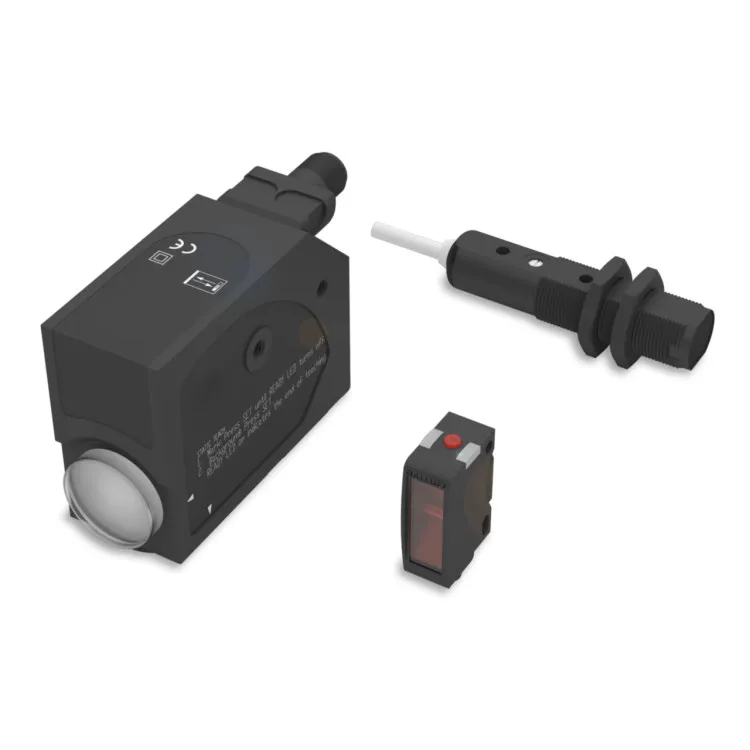
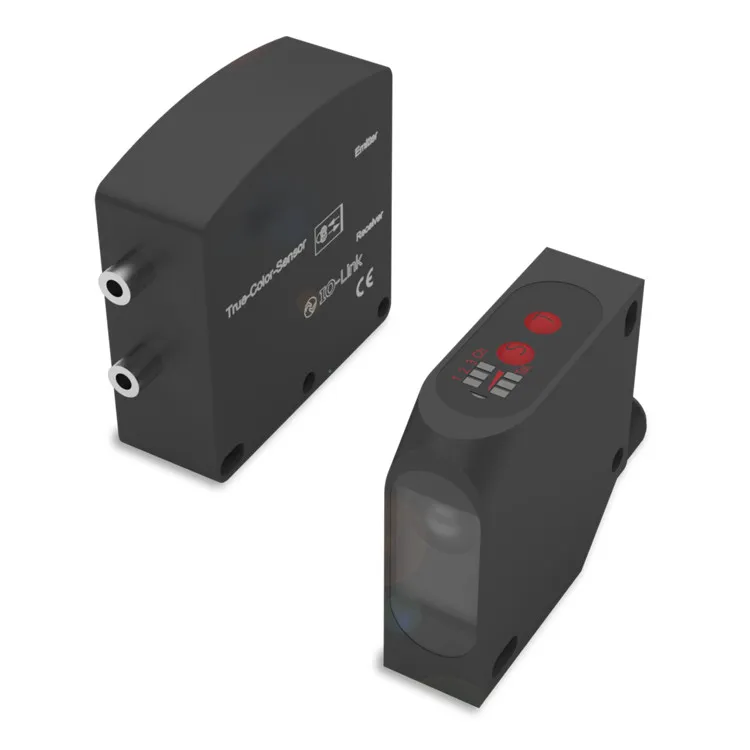
- Counter Sensor: These sensors are used to count the number of objects passing by a specific point. They are often used in applications such as production line monitoring, inventory management, and traffic control.
- Contrast Sensor: These sensors are used to detect the contrast between two objects or surfaces. They are often used in applications such as printing, packaging, and material handling.
Conclusion
Selecting the right colour sensor for a specific application is a complex decision that requires careful consideration of several factors. By understanding your application requirements, choosing the right type of sensor, considering the key features, and keeping other considerations in mind, you can ensure that you choose a sensor that meets your specific needs and provides reliable and accurate results.
If you have any questions or need further assistance in selecting the right colour sensor for your application, please don't hesitate to contact us. We are a leading supplier of Colour Sensor and other types of sensors, and we have the expertise and experience to help you find the right solution for your specific requirements. We look forward to working with you to meet your sensor needs and help you achieve your business goals.
References
- "Color Sensors: Principles, Technologies, and Applications." Springer, 2018.
- "Handbook of Optical Sensors." Wiley, 2019.
- "Optoelectronic Sensors: Fundamentals and Applications." Elsevier, 2020.