
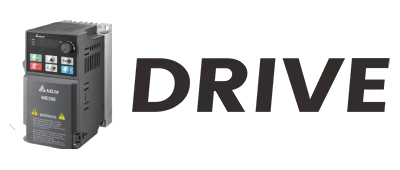
In the realm of Computer Numerical Control (CNC) machines, the DC servo driver stands as a pivotal component, orchestrating the precise movement of motors with unparalleled accuracy. As a seasoned DC servo driver supplier, I'm excited to share insights on how to effectively utilize these drivers in CNC machines, unlocking their full potential for precision engineering.
Understanding the Basics of DC Servo Drivers in CNC Machines
Before delving into the practical aspects of using a DC servo driver in a CNC machine, it's essential to grasp the fundamental principles behind its operation. A DC servo driver is an electronic device that controls the speed, torque, and position of a DC servo motor. In a CNC machine, these drivers play a crucial role in translating digital commands into physical motion, enabling the machine to execute complex machining operations with high precision.
The core function of a DC servo driver is to regulate the electrical current supplied to the servo motor based on the input signals received from the CNC controller. By adjusting the current, the driver can control the motor's speed and torque, allowing for precise positioning and movement of the machine's cutting tools or workpieces. This closed-loop control system ensures that the motor operates at the desired speed and position, compensating for any external disturbances or variations in load.
Selecting the Right DC Servo Driver for Your CNC Machine
Choosing the appropriate DC servo driver for your CNC machine is a critical step in ensuring optimal performance and reliability. Several factors need to be considered when making this selection, including the motor specifications, machine requirements, and budget.
- Motor Compatibility: The first and most important consideration is the compatibility between the DC servo driver and the servo motor. The driver must be capable of providing the necessary voltage, current, and control signals to match the motor's specifications. It's crucial to refer to the motor manufacturer's datasheet to determine the appropriate driver requirements.
- Machine Requirements: The specific requirements of your CNC machine, such as the type of machining operations, required speed and torque, and positioning accuracy, will also influence the driver selection. For example, high-speed machining applications may require a driver with a high bandwidth and fast response time, while heavy-duty cutting operations may demand a driver with high current capacity and robust construction.
- Budget: Cost is always a consideration when selecting a DC servo driver. While it's important to choose a driver that meets your machine's requirements, it's also essential to find a balance between performance and cost. Consider the long-term benefits and reliability of the driver, as well as any additional features or support that may be included.
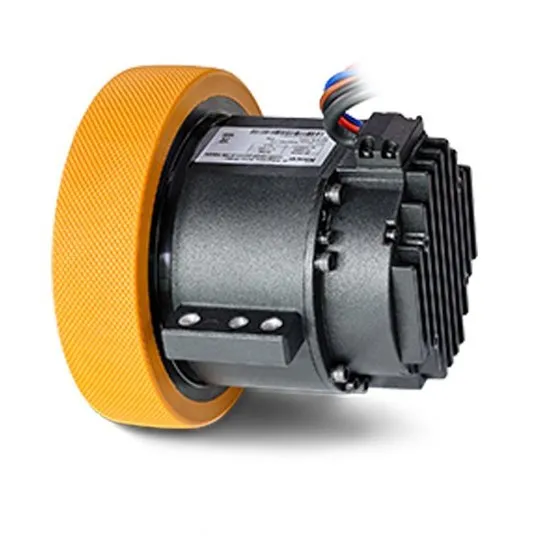
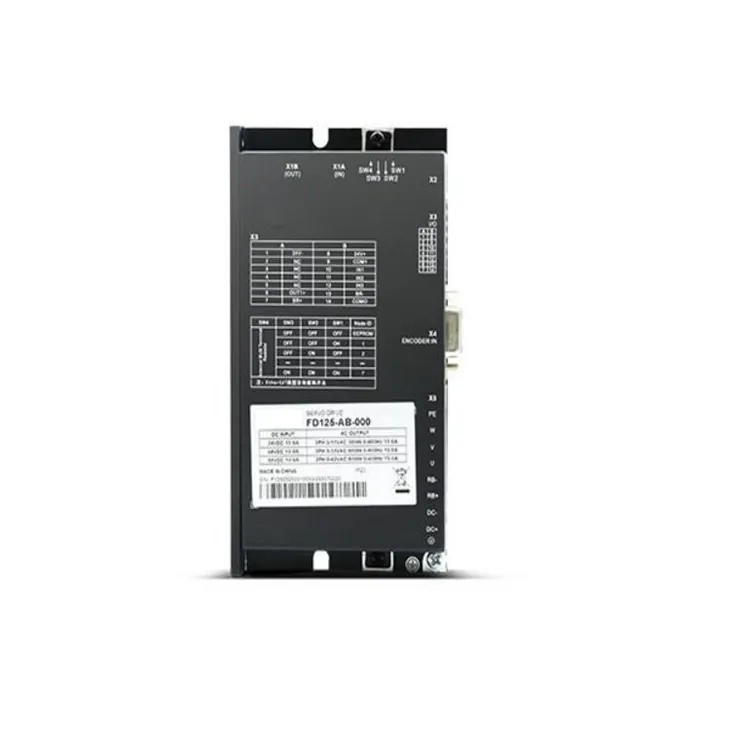
At our company, we offer a wide range of DC servo drivers to suit various CNC machine applications. Our Low-voltage Servo Motor is an ideal choice for applications that require low power consumption and compact design, while our Mini DC Servo Driver is perfect for small-scale CNC machines and robotics. For applications that demand high torque and precision, our Integrated Servo Wheel provides a comprehensive solution with built-in motor and driver.
Installation and Commissioning of DC Servo Drivers in CNC Machines
Once you have selected the appropriate DC servo driver for your CNC machine, the next step is to install and commission it properly. This process requires careful attention to detail and adherence to the manufacturer's instructions to ensure safe and reliable operation.
- Mounting the Driver: The first step is to mount the DC servo driver in a suitable location within the CNC machine cabinet. Make sure to choose a well-ventilated area with sufficient space for heat dissipation. Secure the driver to the mounting surface using the provided hardware, ensuring that it is firmly attached and level.
- Wiring the Driver: Next, you need to connect the DC servo driver to the servo motor, CNC controller, and power supply. Follow the wiring diagram provided in the driver's datasheet to ensure correct connections. Pay close attention to the polarity of the power supply and the signal wires to avoid any damage to the driver or the motor.
- Configuring the Driver: After wiring the driver, you need to configure it to match the specifications of your servo motor and CNC machine. This involves setting parameters such as the motor type, rated voltage, current limit, and control mode. Most modern DC servo drivers come with a user-friendly interface that allows you to easily configure these parameters using a computer or a handheld programmer.
- Testing the Driver: Once the driver is configured, it's important to test it to ensure proper operation. Start by running a simple test program on the CNC controller to verify that the motor rotates smoothly and accurately. Check the driver's status indicators and monitor the motor's performance to detect any issues or abnormalities.
Tuning and Optimizing DC Servo Drivers for CNC Machines
To achieve the best performance from your DC servo driver in a CNC machine, it's important to tune and optimize its parameters. This process involves adjusting the controller gains, velocity loops, and position loops to ensure smooth and accurate motion control.
- Controller Gains: The controller gains determine the sensitivity of the driver to the input signals from the CNC controller. Adjusting these gains can improve the motor's response time and reduce overshoot and settling time. However, improper gain settings can lead to instability and poor performance, so it's important to follow the manufacturer's recommendations and use a systematic approach when tuning the gains.
- Velocity Loops: The velocity loop controls the motor's speed by adjusting the current supplied to the motor based on the difference between the desired speed and the actual speed. Tuning the velocity loop involves adjusting the proportional, integral, and derivative (PID) gains to optimize the speed control performance. This process may require some trial and error to find the optimal settings for your specific application.
- Position Loops: The position loop controls the motor's position by adjusting the velocity based on the difference between the desired position and the actual position. Tuning the position loop is similar to tuning the velocity loop, but it requires more precise adjustment to ensure accurate positioning. It's important to consider factors such as the mechanical backlash, encoder resolution, and system dynamics when tuning the position loop.
Maintenance and Troubleshooting of DC Servo Drivers in CNC Machines
Regular maintenance and troubleshooting are essential to ensure the long-term reliability and performance of your DC servo driver in a CNC machine. Here are some tips to help you maintain and troubleshoot your driver effectively:
- Regular Inspections: Perform regular visual inspections of the driver and its components to check for any signs of damage, wear, or overheating. Look for loose connections, frayed wires, and damaged components, and replace them as needed.
- Cleaning and Cooling: Keep the driver and its cooling system clean and free from dust and debris. Use a soft brush or compressed air to clean the driver's heat sink and vents regularly. Ensure that the cooling fans are working properly and that the air intake and exhaust ports are not blocked.
- Software Updates: Stay up-to-date with the latest software updates for your DC servo driver. These updates may include bug fixes, performance improvements, and new features that can enhance the driver's functionality and reliability.
- Troubleshooting: If you encounter any issues or problems with your DC servo driver, refer to the manufacturer's troubleshooting guide or contact their technical support team for assistance. Provide them with detailed information about the symptoms, error codes, and any recent changes or events that may have occurred.
Conclusion
In conclusion, using a DC servo driver in a CNC machine requires a thorough understanding of its operation, proper selection, installation, commissioning, tuning, maintenance, and troubleshooting. By following the guidelines and best practices outlined in this article, you can ensure that your DC servo driver operates at its best, delivering precise and reliable motion control for your CNC machine.
If you're interested in learning more about our DC servo drivers or have any questions about using them in your CNC machine, please don't hesitate to contact us. Our team of experts is always ready to assist you with your selection, installation, and support needs. We look forward to the opportunity to work with you and help you achieve your precision engineering goals.
References
- [DC Servo Motor and Driver Handbook](Publisher: ABC Publishing, Year: 2023)
- [CNC Machine Design and Operation Manual](Publisher: XYZ Press, Year: 2022)
- [Servo Control Systems: Theory and Applications](Author: John Doe, Publisher: DEF Books, Year: 2021)