
Hey there! As a DC servo motor supplier, I'm super excited to share with you how you can use a DC servo motor in a home automation system. DC servo motors are incredibly versatile and can bring a whole new level of functionality and convenience to your home. So, let's dive right in!
Understanding DC Servo Motors
First things first, what exactly is a DC servo motor? Well, it's a type of motor that can control its position, speed, and torque precisely. Unlike regular DC motors, servo motors have a feedback mechanism that allows them to adjust their output based on the desired input. This makes them perfect for applications where accuracy and control are key, like in home automation.
Why Use DC Servo Motors in Home Automation?
There are several reasons why DC servo motors are a great choice for home automation. For starters, they offer high precision and accuracy. Whether you're controlling the movement of a curtain, a window, or a robotic arm, a DC servo motor can ensure that the movement is smooth and precise.
Another advantage is their speed and torque control. You can easily adjust the speed and torque of a DC servo motor to suit your specific needs. This means you can make your home automation system more efficient and energy - saving.
DC servo motors are also very reliable. They are designed to operate continuously for long periods without any major issues, which is essential for a home automation system that you want to run smoothly day in and day out.
Applications of DC Servo Motors in Home Automation
Curtain and Blind Control
One of the most common applications of DC servo motors in home automation is curtain and blind control. You can use a DC servo motor to open and close your curtains or blinds automatically. This not only adds a touch of luxury to your home but also helps you save energy by controlling the amount of sunlight that enters your room.
To set this up, you'll need a DC servo motor, a DC Servo Driver to control the motor, and a control system. You can program the control system to open and close the curtains at specific times of the day or in response to certain events, like the amount of sunlight in the room.
Window Control
DC servo motors can also be used to control the opening and closing of windows. This is especially useful for hard - to - reach windows or in areas where you want to automate the ventilation process. You can install a DC servo motor on the window frame and connect it to a control system. The control system can then open or close the window based on factors such as temperature, humidity, or air quality.
Robotic Home Assistants
If you're into building your own robotic home assistants, DC servo motors are a must - have. They can be used to control the movement of the robot's arms, legs, and other parts. For example, a robotic arm can use DC servo motors to pick up and move objects around your home. With a Mini DC Servo Driver, you can easily control multiple motors and create a more complex and functional robotic assistant.
Home Security Systems
DC servo motors can play a role in home security systems as well. They can be used to control the movement of security cameras, allowing you to pan, tilt, and zoom the camera remotely. This gives you a better view of your property and helps you keep an eye on things when you're away.
Setting Up a DC Servo Motor in Your Home Automation System
Step 1: Choose the Right Motor
The first step is to choose the right DC servo motor for your application. Consider factors such as the required torque, speed, and size. If you're using the motor for a small - scale application like curtain control, a Mini DC Servo Driver and a small - sized DC servo motor might be sufficient. However, for larger applications like window control or a robotic arm, you'll need a more powerful motor.
Step 2: Select a Servo Driver
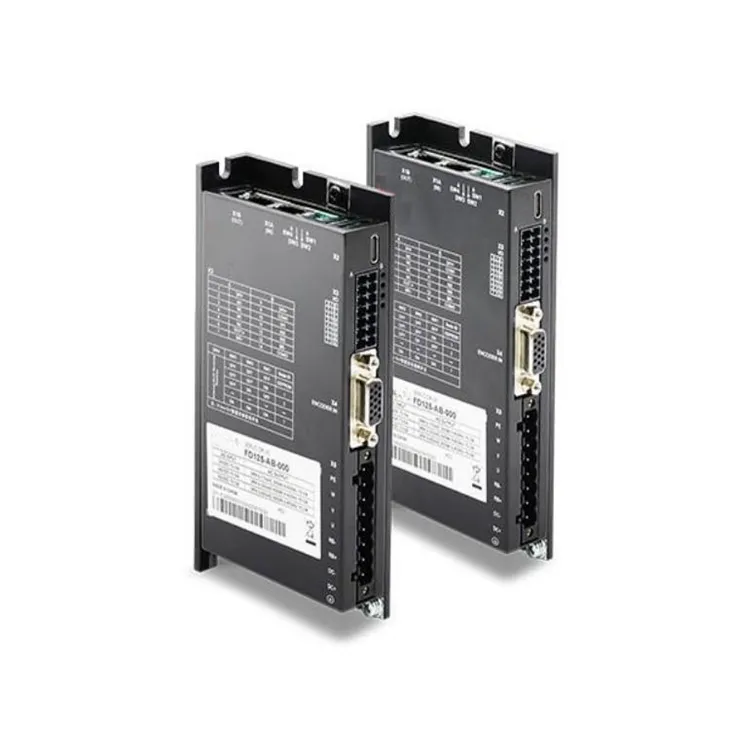
A servo driver is essential for controlling the DC servo motor. It provides the necessary power and signals to the motor. You can choose from different types of servo drivers, depending on your motor's requirements. The DC Servo Driver is a popular choice as it offers a wide range of features and is compatible with many DC servo motors.
Step 3: Connect the Motor and Driver
Once you have the motor and the driver, you need to connect them properly. Follow the manufacturer's instructions carefully to ensure a correct connection. Usually, you'll need to connect the power supply, the control signals, and the feedback wires.
Step 4: Set Up the Control System
The control system is what allows you to program and control the operation of the DC servo motor. You can use a microcontroller, a home automation hub, or a smartphone app to set up the control system. For example, if you're using a microcontroller, you'll need to write a program that sends the appropriate control signals to the servo driver.
Troubleshooting and Maintenance
Like any other electronic device, DC servo motors may encounter some issues from time to time. If your motor is not working properly, the first thing to check is the connections. Make sure all the wires are properly connected and there are no loose connections.
Another common issue is overheating. If the motor gets too hot, it could be due to overloading or a problem with the driver. In this case, you may need to reduce the load on the motor or check the driver for any faults.
Regular maintenance is also important to keep your DC servo motor in good condition. Clean the motor regularly to remove any dust or debris that could affect its performance. Check the lubrication of the moving parts and replace any worn - out components as needed.
Advanced DC Servo Motor Options
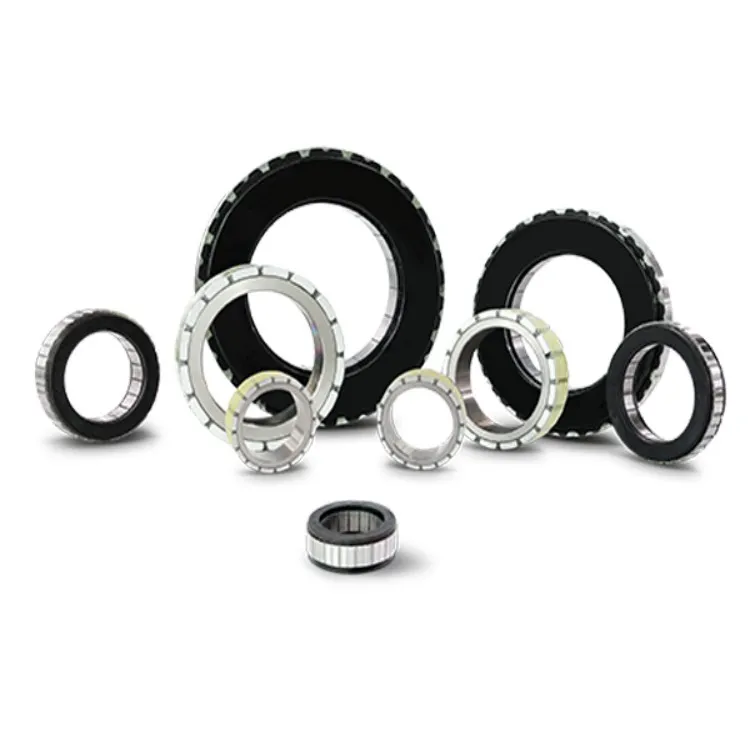
For more advanced home automation projects, you might want to consider using a Frameless Torque Motor. These motors offer high torque density and are very compact. They are ideal for applications where space is limited and high performance is required, such as in some robotic home assistants or high - precision window control systems.
Conclusion
Using a DC servo motor in your home automation system can bring a lot of benefits. From adding convenience and luxury to improving energy efficiency and security, these motors are a great addition to any smart home. If you're interested in incorporating DC servo motors into your home automation project, I'd love to help. As a DC servo motor supplier, I can provide you with high - quality motors, drivers, and all the support you need to get your project up and running. Whether you're a DIY enthusiast or a professional installer, feel free to reach out to me for more information and to start a procurement discussion.
References
- Servo Motor Handbook, various editions
- Home Automation Basics: A Practical Guide, multiple authors