
Hey there! As a CAN Bus PLC supplier, I'm super excited to share with you how to use CAN Bus for fault diagnosis in a PLC. It's a topic that's not only fascinating but also super practical, especially if you're in the industrial automation game.
What's CAN Bus and Why It's a Big Deal
First off, let's quickly go over what CAN Bus is. CAN, which stands for Controller Area Network, is a robust communication protocol that's been around for a while. It's widely used in industrial applications, automotive systems, and even some consumer electronics. The beauty of CAN Bus lies in its ability to allow multiple devices to communicate with each other on the same network without getting all tangled up.
One of the main reasons CAN Bus is so popular is its reliability. It uses a differential signaling system, which means it can handle electrical noise and interference like a champ. This makes it ideal for industrial environments where there's a lot of electrical equipment humming and buzzing around.
Integrating CAN Bus with PLCs
Now, let's talk about how CAN Bus plays nice with Programmable Logic Controllers (PLCs). PLCs are the brains of many industrial automation systems. They're used to control machinery, monitor processes, and make decisions based on input from sensors and other devices.
When you integrate CAN Bus with a PLC, you're essentially giving the PLC a superpower. It can now communicate with a whole bunch of other CAN-enabled devices on the network, like sensors, actuators, and other PLCs. This opens up a world of possibilities for automating complex processes and improving overall system efficiency.
Fault Diagnosis with CAN Bus in PLCs
So, how do you use CAN Bus for fault diagnosis in a PLC? Well, it all starts with understanding the data that's flowing through the CAN Bus network.
Monitoring CAN Bus Traffic
The first step in fault diagnosis is to monitor the CAN Bus traffic. You can use a CAN Bus analyzer or a monitoring tool to see what messages are being sent and received on the network. By analyzing this traffic, you can identify any abnormal patterns or errors.
For example, if you notice that a particular device is sending error messages or if there's a sudden increase in traffic on the network, it could be a sign of a problem. Maybe a sensor is malfunctioning, or there's an issue with the wiring.
Diagnostic Codes and Error Messages
Most CAN-enabled devices, including PLCs, are designed to send diagnostic codes and error messages when something goes wrong. These codes can provide valuable information about the nature of the problem.
For instance, a PLC might send a diagnostic code indicating that a specific input or output module has failed. By looking up these codes in the device's documentation, you can quickly figure out what needs to be fixed.
Fault Isolation
Once you've identified a problem, the next step is to isolate it. This involves determining which device or component on the network is causing the issue.
One way to do this is by using the CAN Bus's ability to address individual devices. You can send diagnostic commands to specific devices on the network and see how they respond. If a device doesn't respond or sends an error message, it's likely the source of the problem.
Tips and Tricks for Effective Fault Diagnosis
Here are some tips to help you make the most of CAN Bus for fault diagnosis in your PLC:
- Keep a Log: Maintain a log of all the diagnostic codes and error messages you encounter. This can help you track down recurring problems and identify trends over time.
- Test Regularly: Don't wait for a problem to occur before you start diagnosing. Regularly test your CAN Bus network and PLC to catch any potential issues early on.
- Use Diagnostic Tools: Invest in good quality CAN Bus diagnostic tools. They can make the fault diagnosis process much easier and more efficient.
Our CAN Bus PLC Offerings
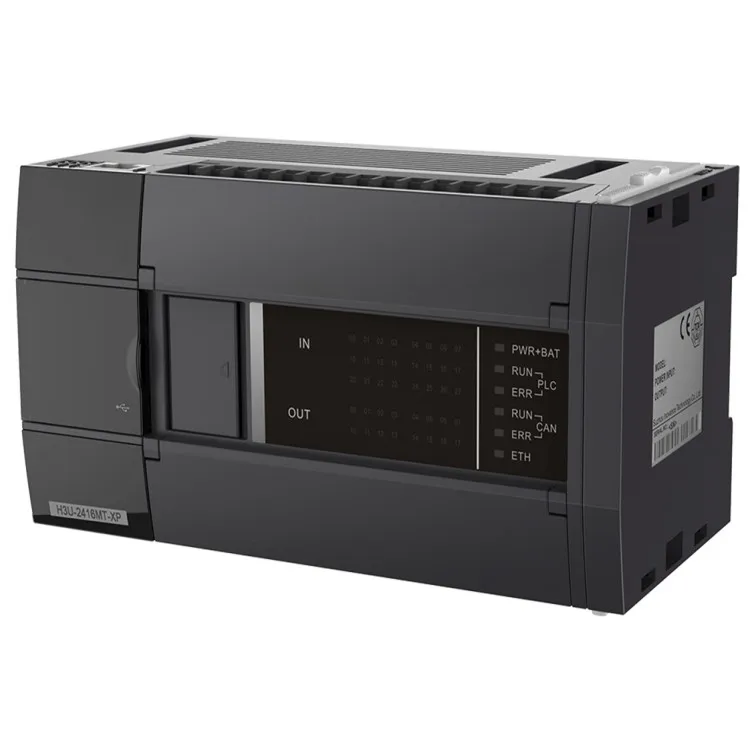
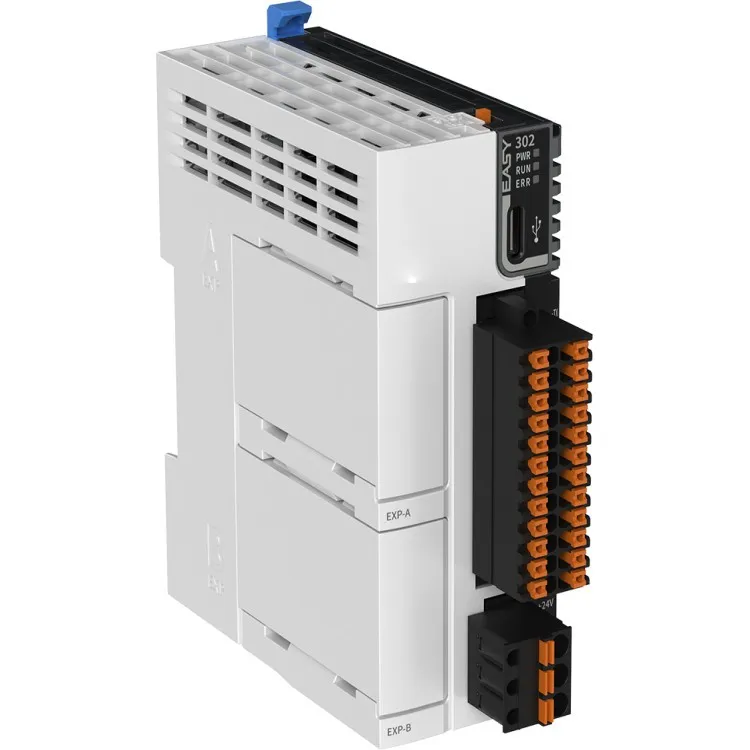
As a CAN Bus PLC supplier, we offer a range of high-quality CAN Bus PLC products that are designed to work seamlessly with CAN Bus networks. Our PLCs are known for their reliability, performance, and ease of use.
In addition to our CAN Bus PLCs, we also have other great options like the Compact Mini PLC and the 485 Pulse PLC. These products are perfect for a variety of industrial applications, whether you're looking to automate a small process or a large-scale manufacturing plant.
Get in Touch
If you're interested in learning more about our CAN Bus PLCs or how to use CAN Bus for fault diagnosis in your PLC system, we'd love to hear from you. Whether you have questions, need technical support, or are ready to make a purchase, don't hesitate to reach out. We're here to help you find the best solution for your industrial automation needs.
References
- "CAN Bus Basics," CAN in Automation (CiA)
- "Programmable Logic Controllers: Principles and Applications," by Mark A. Hoelzer
- "Industrial Communication Technology Handbook," by Hartmut Reinecke and Armin Korb