
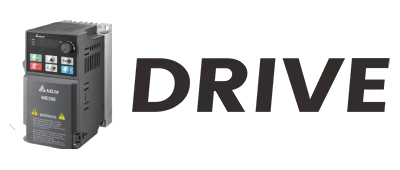
As a seasoned supplier in the servo drive industry, I've witnessed firsthand the transformative impact of DC servo drives across various sectors. DC servo drives are integral components in many automated systems, offering precise control and reliable performance. In this blog, I'll delve into the key characteristics that make DC servo drives stand out in the market.
High Precision Control
One of the most significant characteristics of DC servo drives is their ability to provide high - precision control. These drives can accurately control the speed, position, and torque of a DC motor. This precision is achieved through advanced feedback control mechanisms. For example, encoders are commonly used to provide real - time information about the motor's position and speed. The drive continuously compares the actual values with the desired setpoints and makes adjustments to ensure that the motor operates exactly as required.
In applications such as robotics, high - precision control is crucial. Robots need to perform tasks with extreme accuracy, whether it's picking and placing objects on an assembly line or performing delicate surgical procedures. DC servo drives enable robots to move with sub - millimeter precision, ensuring that the tasks are completed flawlessly.
Fast Response Time
DC servo drives are known for their rapid response times. When a change in the setpoint occurs, the drive can quickly adjust the motor's operation to reach the new target. This is due to their high - bandwidth control systems. The bandwidth of a servo drive refers to the range of frequencies over which the drive can effectively control the motor. A higher bandwidth means that the drive can respond to rapid changes in the input signal.
In applications like CNC (Computer Numerical Control) machining, fast response times are essential. The cutting tools in a CNC machine need to change their speed and position rapidly as they move along the workpiece. DC servo drives can respond to the control signals within milliseconds, allowing for smooth and accurate machining operations.
Wide Speed Range
Another notable characteristic of DC servo drives is their wide speed range. These drives can operate the DC motor at very low speeds as well as high speeds. At low speeds, the drive can maintain precise control, providing smooth and stable operation. At high speeds, it can still deliver the required torque to drive the load.
For instance, in a printing press, the motor needs to operate at different speeds depending on the printing process. During the setup phase, the motor may run at a low speed for precise alignment. Once the printing starts, the motor can increase its speed to meet the production requirements. DC servo drives can easily adapt to these varying speed demands, ensuring efficient and high - quality printing.
Torque Regulation
DC servo drives offer excellent torque regulation capabilities. They can maintain a constant torque output over a wide range of speeds and loads. This is important in applications where the load on the motor may vary during operation. For example, in a conveyor belt system, the load on the motor can change depending on the number of items being transported.
The drive monitors the torque requirements and adjusts the current supplied to the motor accordingly. This ensures that the motor can handle the varying loads without stalling or losing speed. In addition, torque regulation helps to prevent overloading of the motor, which can extend the motor's lifespan and reduce maintenance costs.
Compatibility with Various Sensors
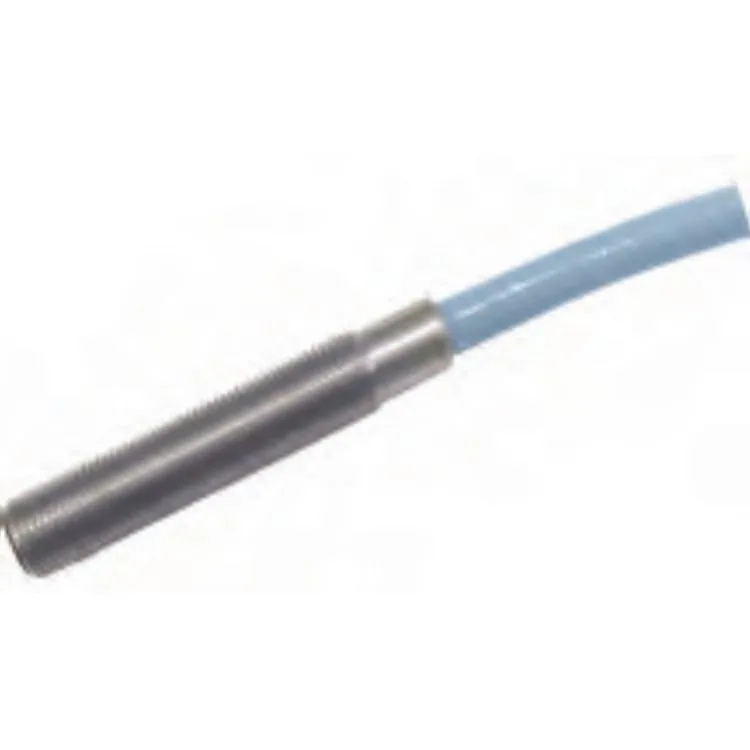
DC servo drives are designed to be compatible with a wide range of sensors. As mentioned earlier, encoders are commonly used for position and speed feedback. However, other sensors such as Inductive Distance Sensor can also be integrated with the drive.
Inductive distance sensors can be used to measure the distance between the motor and a target object. This information can be used by the drive to adjust the motor's operation for better control. For example, in a pick - and - place system, the inductive distance sensor can help the robot arm to accurately position itself relative to the object to be picked up.
Energy Efficiency
In today's world, energy efficiency is a major concern for many industries. DC servo drives are designed to be energy - efficient. They use advanced power electronics and control algorithms to minimize power losses. For example, pulse - width modulation (PWM) techniques are commonly used in DC servo drives to control the power supplied to the motor.
PWM allows the drive to adjust the average voltage applied to the motor by varying the width of the voltage pulses. This reduces the power dissipation in the motor and the drive itself. In addition, DC servo drives can recover energy during the braking phase of the motor operation. This recovered energy can be fed back into the power supply or used to power other components in the system.
Reliability and Durability
DC servo drives are built to be reliable and durable. They are designed to withstand harsh industrial environments, including high temperatures, humidity, and vibration. The components used in the drives are carefully selected for their quality and performance.
For example, the power transistors in the drive are designed to handle high currents and voltages without overheating. The control circuits are protected against electrical noise and interference. In addition, many DC servo drives have built - in diagnostic and protection features. These features can detect faults such as over - current, over - voltage, and over - temperature and take appropriate action to protect the drive and the motor.
Application - Specific Customization
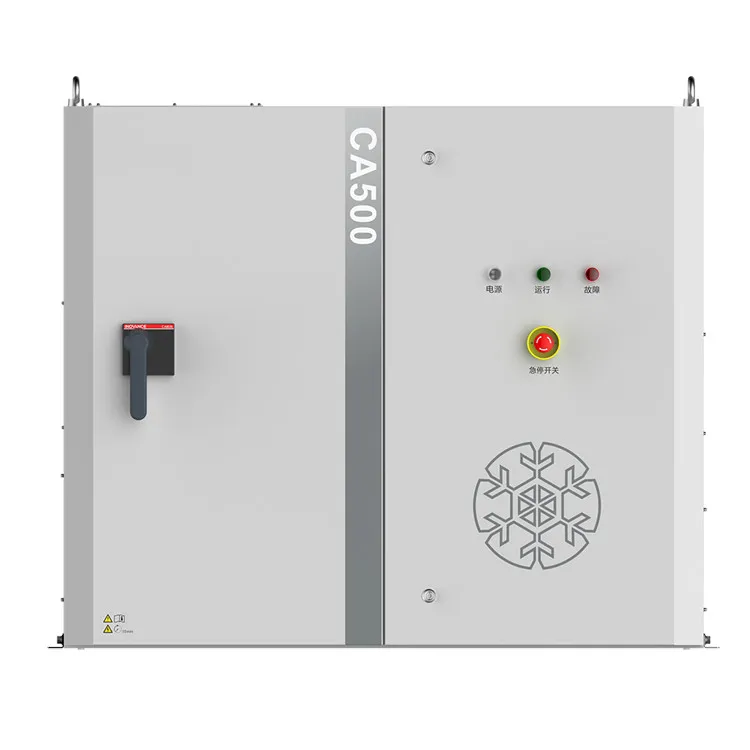
As a servo drive supplier, I understand that different applications have different requirements. DC servo drives can be customized to meet the specific needs of various industries. For example, in the air conditioning industry, Air Conditioner VFD is a specialized type of DC servo drive.
These drives are designed to control the speed of the compressor motor in an air conditioner. They can adjust the motor speed based on the cooling demand, resulting in energy savings and better temperature control. Similarly, in the lifting industry, Lifting VFD is used to control the motors in elevators and cranes. These drives need to provide precise speed and torque control to ensure safe and efficient lifting operations.
Conclusion
In conclusion, DC servo drives offer a wide range of characteristics that make them ideal for various industrial applications. Their high - precision control, fast response time, wide speed range, torque regulation, compatibility with sensors, energy efficiency, reliability, and application - specific customization make them a popular choice among engineers and manufacturers.
If you're in the market for a high - quality servo drive, I encourage you to consider the benefits of DC servo drives. Whether you're in the robotics, CNC machining, printing, air conditioning, or lifting industry, we have the expertise and products to meet your needs. Contact us today to start a procurement discussion and find the perfect servo drive solution for your application.
References
- Dorf, R. C., & Bishop, R. H. (2016). Modern Control Systems. Pearson.
- Ogata, K. (2010). Modern Control Engineering. Prentice Hall.