
In the dynamic landscape of industrial automation, Human - Machine Interfaces (HMIs) play a pivotal role. As an industrial HMI supplier, I've witnessed firsthand the challenges that these critical components face in various industrial settings. Understanding these common problems is essential for both manufacturers and end - users to optimize the performance of their industrial systems.
1. Compatibility Issues
One of the most prevalent problems with industrial HMIs is compatibility. In industrial environments, there is a wide array of equipment and software systems. HMIs need to interface seamlessly with Programmable Logic Controllers (PLCs), Supervisory Control and Data Acquisition (SCADA) systems, and other devices. However, different manufacturers may use unique communication protocols, data formats, and standards.
For instance, some older PLCs may use proprietary communication protocols that are not natively supported by modern HMIs. This can lead to difficulties in establishing a reliable connection between the HMI and the PLC, resulting in data transfer errors or even complete system failures. To address this, we often need to develop custom drivers or use protocol converters. But these solutions can be time - consuming and costly.
Another aspect of compatibility is related to software. Newer versions of operating systems or industrial software may not be fully compatible with existing HMIs. This can cause issues such as slow performance, display glitches, or the inability to access certain features. As an industrial HMI supplier, we constantly work on ensuring that our products are compatible with a wide range of industrial equipment and software through regular updates and testing.
2. Durability and Reliability
Industrial environments are harsh. HMIs are often exposed to extreme temperatures, humidity, dust, vibration, and electrical interference. These conditions can take a toll on the physical and electronic components of the HMI.
High temperatures can cause the internal components of the HMI to overheat, leading to reduced lifespan and potential malfunctions. Similarly, low temperatures can make the display less responsive or cause the liquid crystal in LCD screens to freeze. Humidity can corrode the circuit boards and connectors, while dust can accumulate on the display and inside the device, affecting its performance.
Vibration is another significant issue, especially in manufacturing plants with heavy machinery. Continuous vibration can loosen the internal connections, causing intermittent failures or complete breakdowns. Electrical interference from nearby equipment can also disrupt the normal operation of the HMI, leading to data corruption or incorrect display of information.
To combat these problems, we design our HMIs with rugged enclosures that are resistant to dust, water, and shock. We also use high - quality components that can withstand a wide range of temperatures and are less susceptible to electrical interference. For example, our Car Touch Screen is designed to be durable in automotive manufacturing environments, where it may be exposed to oil, grease, and mechanical stress.
3. User Interface Design
The user interface (UI) of an HMI is crucial for efficient operation. A poorly designed UI can lead to user errors, reduced productivity, and increased training time.
One common problem is the overcrowding of information on the screen. In an attempt to provide as much data as possible, some HMIs have cluttered displays with too many buttons, graphs, and indicators. This can make it difficult for operators to quickly find the information they need and perform tasks efficiently.
Another issue is the lack of intuitive navigation. Operators should be able to easily navigate through different screens and functions without having to refer to a complex manual. If the navigation is confusing, it can lead to frustration and mistakes.
In addition, the color scheme and font size used in the UI can also affect usability. Poorly chosen colors may make it difficult to distinguish between different elements, especially in low - light conditions. Small font sizes can be hard to read, particularly for older operators.
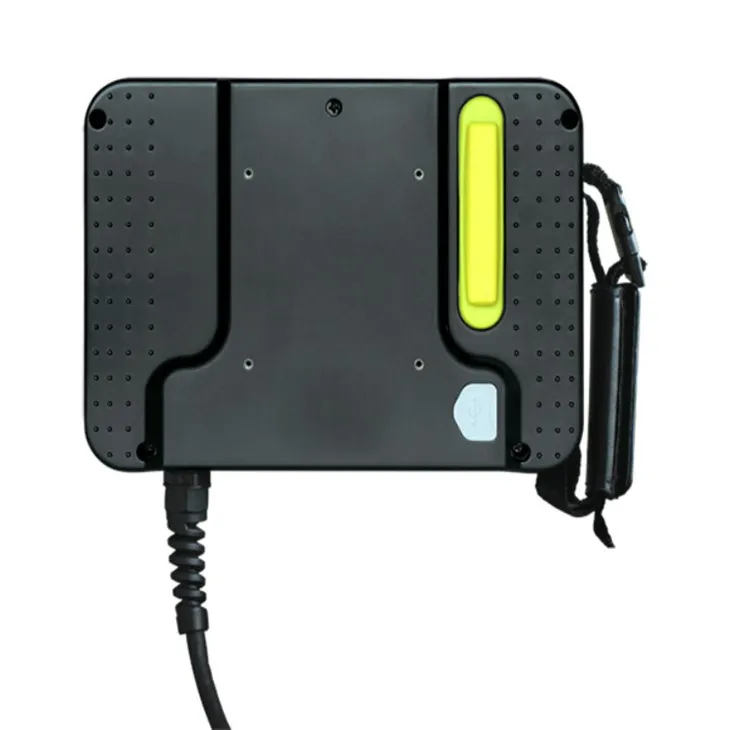
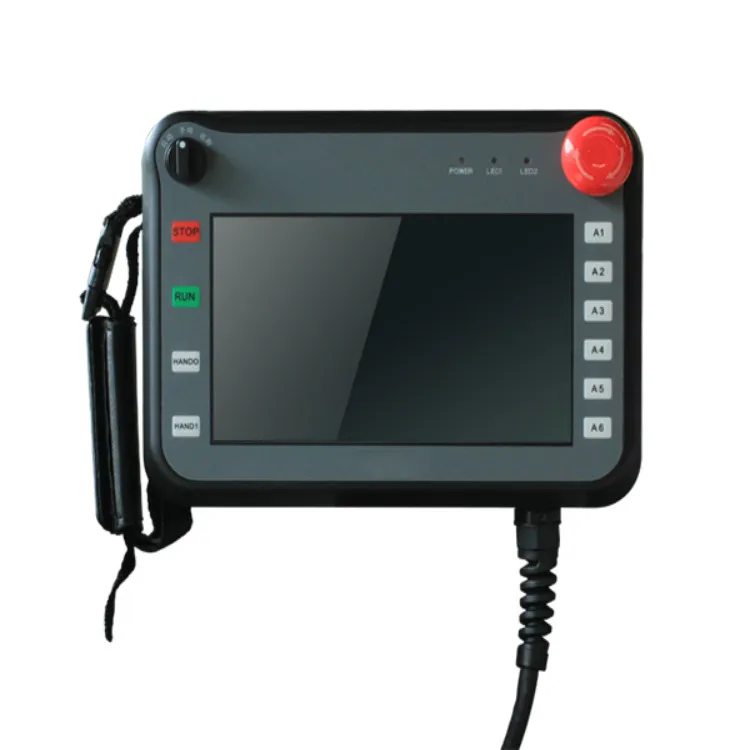
As an industrial HMI supplier, we focus on user - centered design principles. We conduct usability testing with real operators to ensure that our HMIs have clear, uncluttered interfaces with intuitive navigation. Our Handheld HMI is designed with a simple and easy - to - use interface, making it suitable for on - the - go operation in industrial settings.
4. Security Vulnerabilities
With the increasing connectivity of industrial systems, security has become a major concern for HMIs. Industrial HMIs are often connected to the company's network, which makes them potential targets for cyberattacks.
One of the main security vulnerabilities is the lack of proper authentication and authorization mechanisms. If an unauthorized person gains access to the HMI, they can manipulate the system settings, disrupt the production process, or steal sensitive data.
Another issue is the use of outdated software and firmware. Many cyberattacks target known vulnerabilities in software, and if the HMI's software is not regularly updated, it can be easily exploited.
In addition, the communication between the HMI and other devices in the industrial network may not be encrypted, making it possible for attackers to intercept and modify the data.
To address these security concerns, we implement strict authentication and authorization protocols in our HMIs. We also provide regular software updates to patch any security vulnerabilities. Our Split Industrial HMI is designed with advanced security features to protect against cyber threats in industrial networks.
5. Maintenance and Support
Maintaining an industrial HMI can be a complex task. Over time, components may wear out, software may need to be updated, and technical issues may arise.
One of the challenges is the availability of spare parts. If a critical component of the HMI fails, and the spare part is not readily available, it can lead to significant downtime in the industrial process. This is why we maintain a large inventory of spare parts to ensure quick replacement in case of failures.
Another issue is the need for technical support. Operators may encounter problems that they are unable to solve on their own. Having access to prompt and knowledgeable technical support is essential to minimize downtime. As an industrial HMI supplier, we offer 24/7 technical support to our customers, ensuring that any issues are resolved as quickly as possible.
In conclusion, while industrial HMIs are essential for modern industrial automation, they face several common problems. As an industrial HMI supplier, we are committed to addressing these issues through continuous innovation, high - quality design, and excellent customer support. If you are facing any challenges with your industrial HMIs or are considering purchasing new ones, we invite you to contact us for a detailed discussion and customized solutions. Our team of experts will work closely with you to understand your specific needs and provide the best HMI products and services.
References
- "Industrial Human - Machine Interfaces: Design and Application" by John Doe
- "Handbook of Industrial Automation" edited by Jane Smith
- Industry reports on industrial HMI trends and challenges from leading research firms.