

As a leading provider of Contrast Sensors, understanding the various mounting options for these devices is crucial for optimizing their performance. Contrast sensors play a vital role in numerous industrial applications, ranging from packaging and printing to robotics and quality control. Each mounting option offers distinct advantages and considerations, which we will explore in detail below.
Surface Mounting
Surface mounting is one of the most common and straightforward methods for installing contrast sensors. This approach involves attaching the sensor directly to a flat surface using screws, adhesive, or brackets. Surface mounting is ideal for applications where the sensor needs to be installed in a fixed position and has a clear line of sight to the target.
One of the primary benefits of surface mounting is its simplicity and ease of installation. It requires minimal tools and expertise, making it a cost - effective solution for many industrial settings. Additionally, surface - mounted sensors are relatively stable, reducing the risk of misalignment due to vibrations or movement.
However, surface mounting also has some limitations. The sensor may be more exposed to environmental factors such as dust, dirt, and moisture, which can potentially affect its performance. In some cases, the mounting surface may need to be prepared carefully to ensure a secure attachment.
When surface - mounting a contrast sensor, it is essential to choose a location that provides a clear view of the target and is away from sources of interference. For example, in a packaging line, the sensor can be mounted on a support beam above the conveyor belt to detect the presence or absence of labels on packages.
Rail Mounting
Rail mounting is another popular option for contrast sensors, especially in applications where flexibility and adjustability are required. In rail - mounted systems, the sensor is attached to a mounting rail, which can be easily installed on a machine frame or other structures.
The main advantage of rail mounting is its flexibility. The sensor can be easily moved along the rail to adjust its position and alignment, allowing for quick setup and reconfiguration. This is particularly useful in applications where the target size or position may change frequently, such as in a multi - product manufacturing line.
Rail - mounted sensors also offer better protection against mechanical damage compared to surface - mounted sensors. The rail provides a stable platform that can absorb some of the shocks and vibrations associated with industrial machinery.
However, rail mounting may be more complex and expensive than surface mounting. It requires the installation of the mounting rail, which may involve additional tools and labor. Additionally, the rail may take up more space, which could be a limitation in some compact industrial environments.
Bracket Mounting
Bracket mounting involves using custom - designed brackets to attach the contrast sensor to a machine or equipment. Brackets can be designed to fit the specific shape and size of the sensor, ensuring a secure and precise installation.
This mounting option offers a high degree of customization. Brackets can be angled or shaped to provide the optimal viewing angle for the sensor, depending on the application. For example, in a printing press, a bracket can be used to mount the sensor at an angle to detect color contrasts on printed materials.
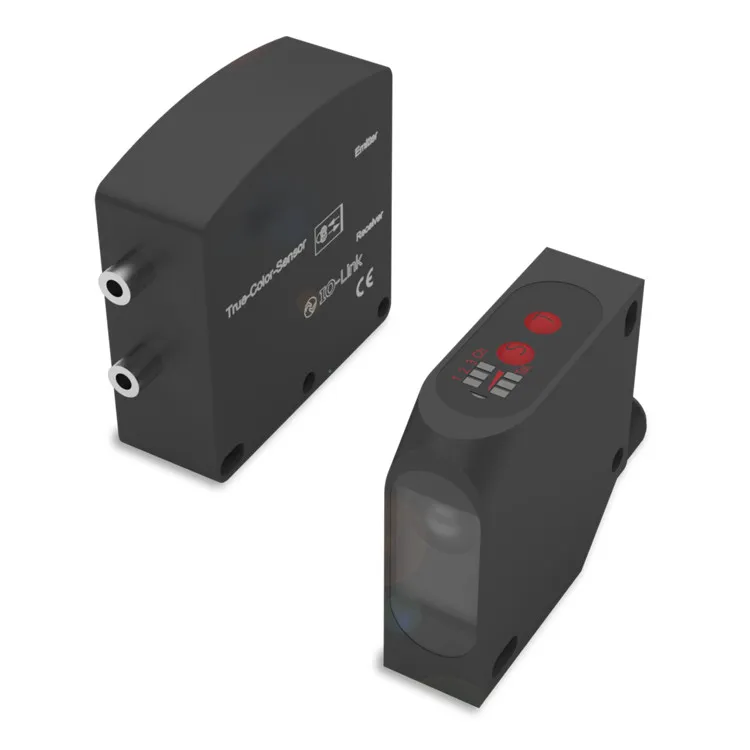
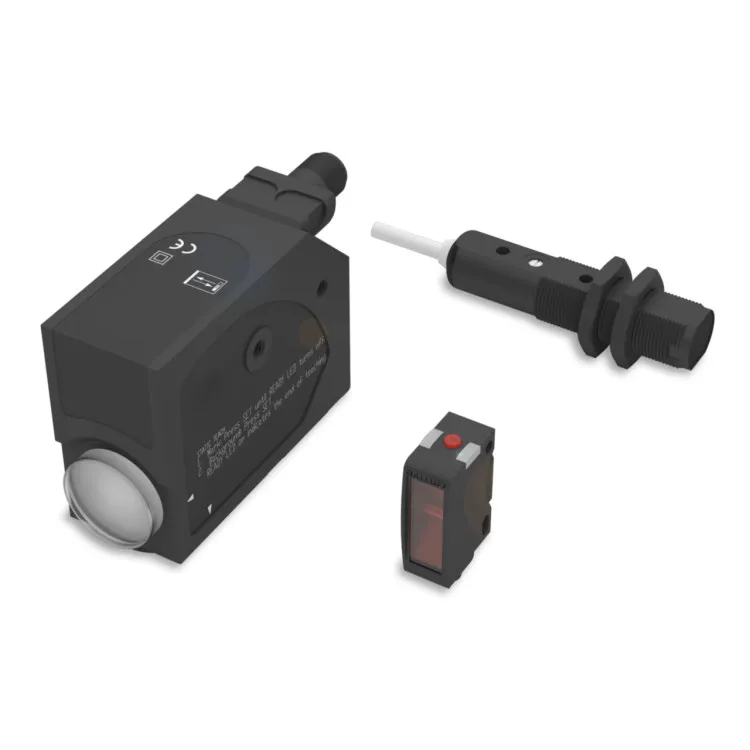
Bracket - mounted sensors are also relatively easy to install and can be adapted to different mounting surfaces. They can be attached to walls, frames, or other structures, providing flexibility in terms of installation location.
On the downside, bracket mounting may require more design and manufacturing time, especially if custom brackets are needed. This can result in higher costs and longer lead times compared to other mounting options.
Flange Mounting
Flange mounting is typically used in applications where the sensor needs to be mounted through a panel or a wall. A flange is a flat, circular structure that is attached to the sensor and provides a mounting surface for attaching the sensor to the panel or wall.
Flange mounting offers a high level of stability and protection. The sensor is securely mounted through the panel, reducing the risk of movement or misalignment. It also provides a good seal against dust, dirt, and moisture, making it suitable for harsh industrial environments.
However, flange mounting can be more challenging to install compared to other methods. It requires precise drilling and alignment of holes in the panel, which may require specialized tools and skills. Additionally, access to the back of the panel may be required for installation and maintenance.
Magnetic Mounting
Magnetic mounting is a quick and easy way to install a contrast sensor. In this method, the sensor is equipped with a magnet or magnetic base, which allows it to be attached to a ferromagnetic surface.
The main advantage of magnetic mounting is its simplicity and portability. The sensor can be easily moved and repositioned as needed, making it ideal for temporary or test installations. It also does not require any drilling or permanent modifications to the mounting surface.
On the other hand, magnetic mounting may not be suitable for applications where the sensor needs to be firmly fixed in place. The magnetic force may not be strong enough to hold the sensor securely in high - vibration or high - impact environments.
Considerations for Choosing the Right Mounting Option
When selecting a mounting option for a contrast sensor, several factors should be taken into account:
- Application Requirements: The specific application will determine the angle of view, distance to the target, and environmental conditions that the sensor needs to operate in. For example, in a high - speed production line, a stable mounting option such as rail or surface mounting may be preferred to ensure accurate and consistent detection.
- Environmental Conditions: Harsh environments with dust, moisture, or extreme temperatures may require a mounting option that provides better protection for the sensor. Flange mounting or a sealed surface - mounted enclosure can be suitable choices in such cases.
- Flexibility and Adjustability: If the application requires frequent reconfiguration or adjustment of the sensor position, a mounting option like rail or magnetic mounting may be more appropriate.
- Cost and Complexity: The cost of the mounting solution, including the cost of materials, installation, and maintenance, should also be considered. Surface mounting is generally the most cost - effective option, while custom - bracket or flange mounting may be more expensive.
Comparison with Other Sensor Types
It's interesting to compare the mounting options of contrast sensors with those of other sensor types. For example, a Colour Sensor may have similar mounting requirements in terms of stability and clear line of sight, but its application - specific needs, such as accurate color detection under different lighting conditions, may influence the choice of mounting. Meanwhile, a Counter Sensor, which is mainly used for counting objects, may prioritize ease of adjustment and flexibility in mounting to adapt to different object sizes and speeds.
Conclusion
In conclusion, choosing the right mounting option for a contrast sensor is essential for ensuring optimal performance and reliability. As a supplier of Contrast Sensors, we offer a wide range of products and support to help our customers select the most suitable mounting solution for their specific needs. Whether it's surface mounting for simplicity, rail mounting for flexibility, or flange mounting for protection, we have the expertise and resources to guide you through the process.
If you are interested in purchasing contrast sensors or need more information about our products and mounting options, please contact us for a detailed discussion. Our team of experts is ready to assist you in finding the best solution for your industrial application.
References
- Industrial Automation Handbook: Optoelectronic Sensors, Edition 2023
- Contrast Sensor Manufacturer's Installation Guide
- Case Studies in Sensor Mounting for Industrial Applications