
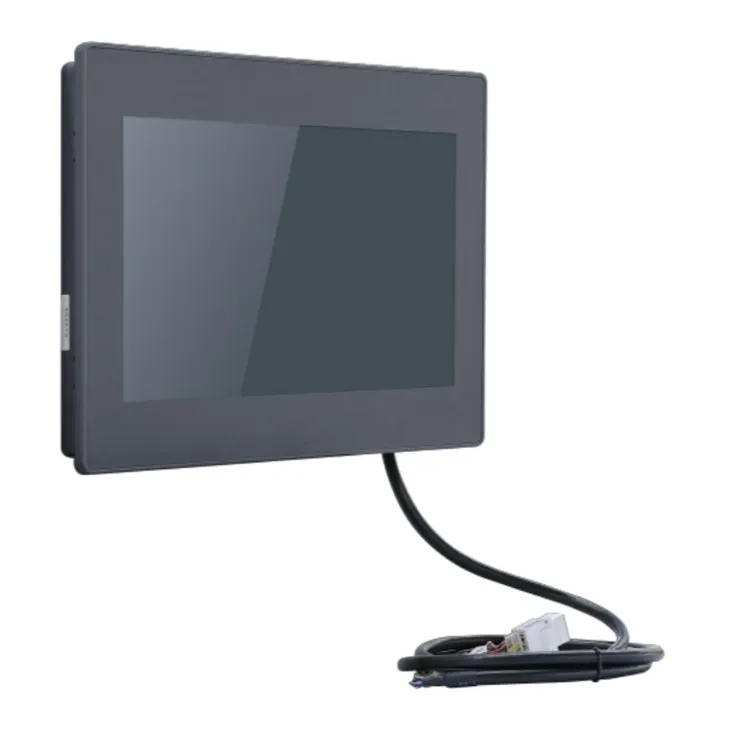
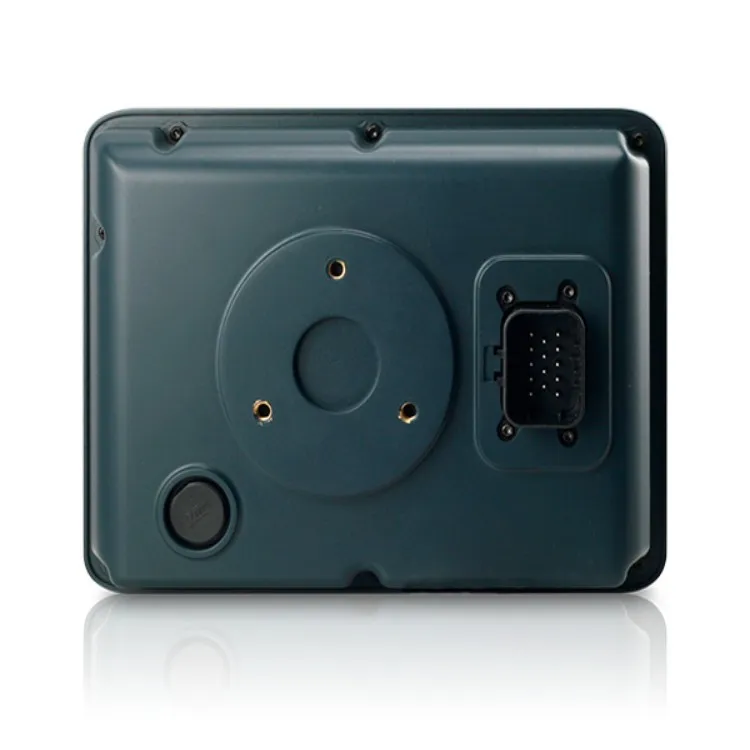
In the realm of industrial control and automation, Handheld Human - Machine Interfaces (HMIs) have emerged as indispensable tools. As a reputable Handheld HMI supplier, I am well - versed in the capabilities and applications of these devices. Handheld HMIs offer a unique combination of portability and functionality, allowing operators to monitor and control various processes on the go. In this blog, we will explore the key parameters that can be monitored using Handheld HMIs.
Temperature Monitoring
Temperature is a critical parameter in many industrial processes. Whether it's a manufacturing plant, a chemical refinery, or a food processing facility, maintaining the right temperature is essential for product quality and safety. Handheld HMIs can be connected to temperature sensors to provide real - time temperature readings.
For instance, in a pharmaceutical manufacturing unit, precise temperature control is required during the production of drugs. Operators can use Handheld HMIs to monitor the temperature of reactors, storage areas, and drying ovens. If the temperature deviates from the set range, the HMI can trigger an alarm, allowing operators to take immediate corrective action.
The ability to monitor temperature remotely using a Handheld HMI is a significant advantage. Operators can move around the facility, checking temperature readings at different locations without having to be tied to a fixed control panel. This not only improves efficiency but also reduces the risk of human error.
Pressure Monitoring
Pressure is another vital parameter that can be monitored using Handheld HMIs. In industries such as oil and gas, water treatment, and pneumatic systems, pressure control is crucial for the safe and efficient operation of equipment.
In an oil pipeline, for example, Handheld HMIs can be used to monitor the pressure at various points along the pipeline. Any abnormal pressure fluctuations could indicate a leak or a blockage. Operators can use the HMI to view pressure trends over time, helping them to identify potential issues before they become major problems.
In a pneumatic system, Handheld HMIs can monitor the pressure in cylinders, valves, and air compressors. This ensures that the system is operating within the specified pressure limits, preventing damage to equipment and improving overall system performance.
Flow Rate Monitoring
Flow rate is an important parameter in many processes, including fluid transportation, chemical mixing, and water distribution. Handheld HMIs can be connected to flow meters to monitor the rate at which fluids are flowing through pipes or channels.
In a chemical plant, the accurate measurement of flow rates is essential for maintaining the correct chemical ratios during the mixing process. Operators can use Handheld HMIs to monitor the flow rates of different chemicals and adjust the valves accordingly. This helps to ensure the quality and consistency of the final product.
In a water treatment plant, Handheld HMIs can be used to monitor the flow rate of water through different treatment stages. This allows operators to optimize the treatment process, ensuring that the water meets the required quality standards.
Level Monitoring
Level monitoring is crucial in industries where liquids or solids are stored in tanks or silos. Handheld HMIs can be used to monitor the level of substances such as water, oil, grain, and chemicals.
In a water storage tank, for example, Handheld HMIs can provide real - time information about the water level. This helps operators to manage the water supply effectively, preventing over - filling or running out of water.
In a grain silo, Handheld HMIs can monitor the level of grain, allowing operators to plan for storage capacity and transportation. This reduces the risk of spills and ensures efficient use of storage space.
Voltage and Current Monitoring
In electrical systems, monitoring voltage and current is essential for ensuring the safe and efficient operation of equipment. Handheld HMIs can be connected to voltage and current sensors to provide real - time readings.
In a power distribution system, operators can use Handheld HMIs to monitor the voltage and current at different substations. This helps to identify any electrical faults or overloads, allowing for timely maintenance and repair.
In a manufacturing plant, Handheld HMIs can be used to monitor the electrical consumption of different machines. This data can be used to optimize energy usage, reduce costs, and improve the overall efficiency of the plant.
Speed and RPM Monitoring
In machinery and automotive applications, monitoring speed and revolutions per minute (RPM) is crucial. Handheld HMIs can be connected to speed sensors to provide real - time speed and RPM readings.
In a manufacturing machine, operators can use Handheld HMIs to monitor the speed of conveyor belts, motors, and other rotating components. This ensures that the machine is operating at the optimal speed, improving productivity and reducing wear and tear.
In the automotive industry, Car Touch Screen - equipped Handheld HMIs can be used to monitor the RPM of the engine. This information is useful for mechanics during engine maintenance and tuning.
Humidity Monitoring
Humidity can have a significant impact on many industrial processes and products. In industries such as electronics manufacturing, food storage, and textile production, maintaining the right humidity level is essential.
Handheld HMIs can be connected to humidity sensors to monitor the relative humidity in different areas of a facility. In an electronics manufacturing cleanroom, for example, precise humidity control is required to prevent static electricity and damage to sensitive components. Operators can use Handheld HMIs to monitor the humidity levels and adjust the environmental control systems accordingly.
In a food storage facility, high humidity can lead to mold growth and spoilage. Handheld HMIs can help operators to monitor the humidity and take steps to maintain the ideal storage conditions.
Solar Energy Monitoring
With the increasing popularity of solar power, Handheld HMIs have found new applications in solar energy systems. Solar HMI - enabled Handheld HMIs can be used to monitor various parameters of solar panels, such as voltage, current, power output, and temperature.
Operators can use these devices to check the performance of individual solar panels or an entire solar array. By monitoring the power output, they can identify any underperforming panels and take corrective action, such as cleaning or replacing them. This helps to maximize the energy production of the solar system.
Waterproof and Durable for Harsh Environments
One of the key features of our Handheld HMIs is their durability. Many industrial environments are harsh, with exposure to water, dust, and extreme temperatures. Our Waterproof Touch Screen Handheld HMIs are designed to withstand these conditions.
The waterproof touch screen ensures that the HMI can be used in wet environments without any damage. This is particularly useful in industries such as marine, mining, and outdoor construction, where the devices may be exposed to rain or water splashes.
Conclusion
Handheld HMIs are versatile devices that can monitor a wide range of parameters in various industrial applications. From temperature and pressure to flow rate and humidity, these devices provide real - time data that is essential for efficient and safe operation.
As a Handheld HMI supplier, we are committed to providing high - quality products that meet the diverse needs of our customers. Our Handheld HMIs are not only reliable but also easy to use, allowing operators to quickly access and analyze the data they need.
If you are interested in our Handheld HMIs and would like to discuss your specific requirements or engage in a procurement negotiation, please feel free to reach out to us. We look forward to the opportunity to work with you and provide you with the best solutions for your industrial monitoring needs.
References
- "Industrial Automation Handbook", John Wiley & Sons
- "Human - Machine Interface Design Principles", CRC Press
- Various industry whitepapers on industrial control and monitoring systems.