
In the ever-evolving landscape of medical technology, handheld Human-Machine Interfaces (HMIs) have emerged as crucial components, facilitating seamless interaction between healthcare professionals and medical devices. As a dedicated handheld HMI supplier, I am acutely aware of the significance of adhering to regulatory requirements in this highly specialized field. In this blog post, I will delve into the key regulatory aspects that govern handheld HMIs in medical devices, offering insights based on my experiences and industry knowledge.
Understanding the Regulatory Landscape
The regulatory environment for medical devices is complex and varies from country to country. In the United States, the Food and Drug Administration (FDA) plays a central role in ensuring the safety and effectiveness of medical devices, including those equipped with handheld HMIs. The FDA classifies medical devices into three categories based on the level of risk they pose to patients: Class I (low risk), Class II (moderate risk), and Class III (high risk). Handheld HMIs are typically classified as Class I or Class II devices, depending on their intended use and functionality.
In the European Union, medical devices are regulated under the Medical Device Regulation (MDR) and the In Vitro Diagnostic Medical Device Regulation (IVDR). These regulations aim to harmonize the requirements for medical devices across the EU member states and ensure a high level of protection for patients and users. Similar to the FDA, the EU classifies medical devices into different risk classes, and handheld HMIs are subject to specific requirements based on their classification.
Key Regulatory Requirements for Handheld HMIs in Medical Devices
1. Safety and Performance
One of the primary regulatory requirements for handheld HMIs in medical devices is to ensure their safety and performance. This includes designing the HMI to prevent electrical hazards, mechanical failures, and other potential risks that could harm patients or users. The HMI must also meet specific performance criteria, such as accuracy, reliability, and usability, to ensure that it functions as intended in a medical environment.
For example, the HMI should have appropriate electrical insulation to prevent electric shock, and it should be designed to withstand the rigors of daily use in a healthcare setting. Additionally, the HMI should provide clear and accurate information to the user, and it should be easy to operate, even in high-stress situations.
2. Software and Data Security
In today's digital age, software and data security are of utmost importance in medical devices. Handheld HMIs often contain software that controls their functionality and stores patient data, making them vulnerable to cyber threats. Regulatory requirements for software and data security aim to protect patient privacy and prevent unauthorized access to medical information.
To comply with these requirements, the HMI software must be developed using secure coding practices, and it should be regularly updated to address any security vulnerabilities. The HMI should also have appropriate data encryption and access controls to protect patient data from unauthorized disclosure or modification.
For instance, the HMI should use strong encryption algorithms to protect patient data during transmission and storage, and it should have a secure authentication mechanism to ensure that only authorized users can access the device. Additionally, the HMI should be designed to prevent software glitches and errors that could compromise its functionality or security.
3. Usability and Human Factors
Usability and human factors are critical considerations in the design of handheld HMIs for medical devices. The HMI should be designed to be user-friendly and intuitive, taking into account the needs and capabilities of healthcare professionals who will be using it. This includes factors such as the size and layout of the display, the placement of buttons and controls, and the ease of navigation.
Regulatory requirements for usability and human factors aim to ensure that the HMI can be used safely and effectively in a medical environment. For example, the HMI should have a clear and legible display that can be easily read in different lighting conditions, and it should have large, tactile buttons that are easy to press, even with gloved hands. Additionally, the HMI should be designed to minimize the risk of user error, such as accidental button presses or incorrect data entry.
4. Labeling and Documentation
Another important regulatory requirement for handheld HMIs in medical devices is proper labeling and documentation. The HMI should be labeled with clear and accurate information about its intended use, operating instructions, and any warnings or precautions. This information should be provided in a language that is understandable to the user, and it should be prominently displayed on the device or in the accompanying documentation.
In addition to labeling, the HMI manufacturer must also provide comprehensive documentation to support the device's safety and performance. This documentation typically includes design specifications, test reports, and user manuals. The documentation should be kept up-to-date and readily available to regulatory authorities and users.
Compliance Challenges and Strategies for Handheld HMI Suppliers
Complying with the regulatory requirements for handheld HMIs in medical devices can be challenging for suppliers. The regulatory landscape is constantly evolving, and new requirements are being introduced regularly. Additionally, the development and testing of medical devices can be time-consuming and expensive, and suppliers must ensure that they have the necessary resources and expertise to meet the regulatory requirements.
To overcome these challenges, handheld HMI suppliers can adopt several strategies. First, they should stay up-to-date with the latest regulatory developments and ensure that their products are designed and manufactured in accordance with the applicable requirements. This may involve working closely with regulatory consultants or experts to ensure that the HMI meets all the necessary standards.
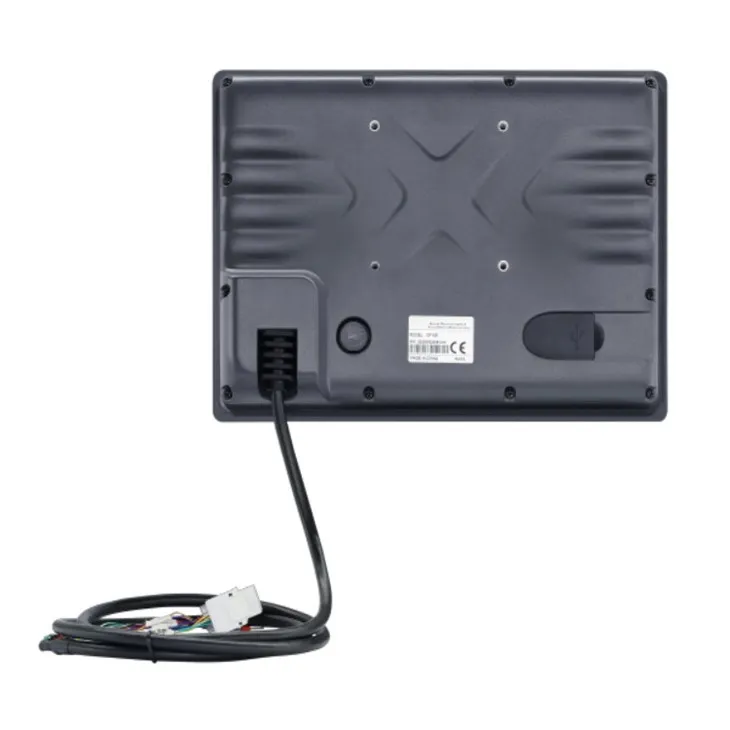
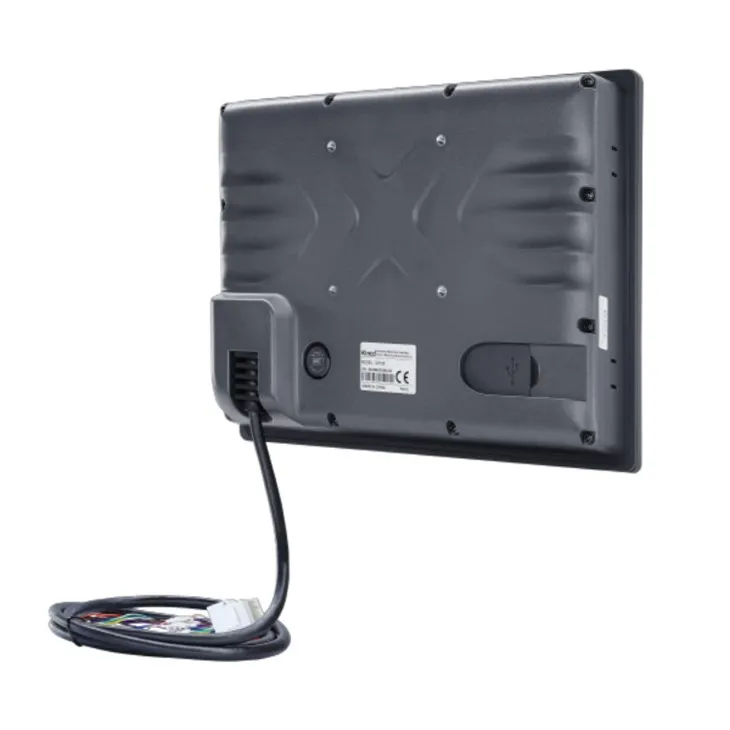
Second, suppliers should implement a robust quality management system to ensure that their products are consistently manufactured to a high standard. This includes conducting regular audits and inspections of the manufacturing process, as well as testing the HMI to ensure that it meets the safety and performance requirements.
Finally, suppliers should engage in ongoing research and development to improve the safety, performance, and usability of their handheld HMIs. This may involve incorporating new technologies, such as touchscreen displays and wireless connectivity, into the HMI design, or developing innovative solutions to address specific regulatory requirements.
Conclusion
In conclusion, regulatory requirements play a crucial role in ensuring the safety and effectiveness of handheld HMIs in medical devices. As a handheld HMI supplier, it is essential to understand and comply with these requirements to ensure that our products meet the highest standards of quality and reliability. By focusing on safety, performance, software and data security, usability, and labeling, we can develop handheld HMIs that are suitable for use in a medical environment and provide value to healthcare professionals and patients.
If you are interested in learning more about our handheld HMIs for medical devices or would like to discuss your specific requirements, please feel free to [initiate a contact for procurement discussions]. We are committed to providing high-quality products and excellent customer service, and we look forward to working with you to meet your needs.
References
- U.S. Food and Drug Administration (FDA). (n.d.). Medical Devices. Retrieved from [FDA website]
- European Union. (2017). Regulation (EU) 2017/745 of the European Parliament and of the Council of 5 April 2017 on medical devices, amending Directive 2001/83/EC, Regulation (EC) No 178/2002 and Regulation (EC) No 1223/2009 and repealing Council Directive 93/42/EEC. Official Journal of the European Union, L 117, 1–176.
- International Electrotechnical Commission (IEC). (n.d.). Standards for medical electrical equipment. Retrieved from [IEC website]