
In the realm of industrial automation, Programmable Logic Controllers (PLCs) stand as the cornerstone, orchestrating complex operations with precision and reliability. As a seasoned supplier of general PLCs, I've witnessed firsthand the transformative power of these devices in streamlining processes across diverse industries. In this blog, I'll delve into the basic concepts of general PLCs, exploring their functionality, applications, and the key features that make them indispensable in modern manufacturing.
Understanding the Basics of PLCs
At its core, a PLC is a specialized computer designed to control industrial processes. Unlike traditional computers, PLCs are built to withstand harsh industrial environments, including extreme temperatures, humidity, and electrical noise. They are programmed to monitor inputs from sensors and other devices, make decisions based on pre-defined logic, and control outputs to actuators such as motors, valves, and relays.
The basic components of a PLC system include a central processing unit (CPU), input/output (I/O) modules, a power supply, and a programming device. The CPU is the brain of the PLC, responsible for executing the program instructions and managing the overall operation of the system. The I/O modules are used to interface with external devices, allowing the PLC to receive input signals and send output signals. The power supply provides the necessary electrical power to the PLC, while the programming device is used to create, edit, and download the control program.
How PLCs Work
The operation of a PLC can be divided into three main phases: input scanning, program execution, and output updating. During the input scanning phase, the PLC reads the status of all input devices connected to the I/O modules. This information is then stored in the input image table, which is a memory area within the PLC.
Next, during the program execution phase, the PLC executes the control program stored in its memory. The program consists of a series of instructions that define the logic and sequence of operations for the industrial process. The PLC evaluates the input signals from the input image table and uses the program logic to determine the appropriate output signals.
Finally, during the output updating phase, the PLC writes the output signals calculated during the program execution phase to the output image table. These signals are then sent to the output devices connected to the I/O modules, causing them to perform the desired actions.
Types of PLCs
There are several types of PLCs available on the market, each designed to meet the specific requirements of different applications. Some of the most common types of PLCs include:
- Compact Mini PLC: These are small, cost-effective PLCs that are ideal for simple control applications. They typically have a limited number of I/O points and are suitable for use in small machines and equipment. Compact Mini PLC
- 485 Pulse PLC: These PLCs are designed to communicate with other devices using the Modbus RTU protocol over a 485 serial communication interface. They are commonly used in applications where long-distance communication is required, such as in building automation and industrial monitoring systems. 485 Pulse PLC
- CAN Bus PLC: These PLCs use the Controller Area Network (CAN) bus protocol for communication. CAN bus is a high-speed, reliable communication protocol that is widely used in automotive and industrial applications. CAN Bus PLC
Applications of PLCs
PLCs are used in a wide range of industries and applications, including manufacturing, automotive, food and beverage, pharmaceuticals, and building automation. Some of the common applications of PLCs include:
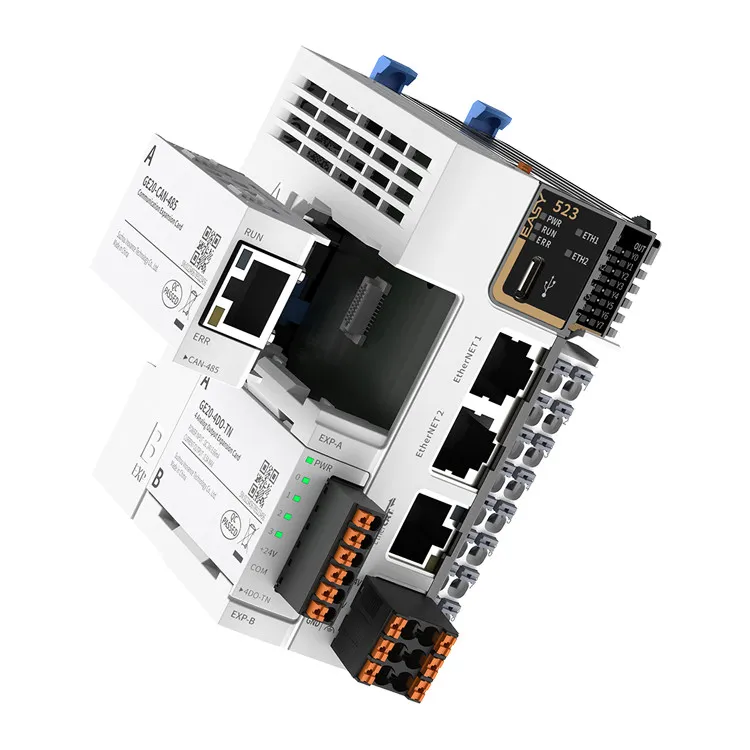
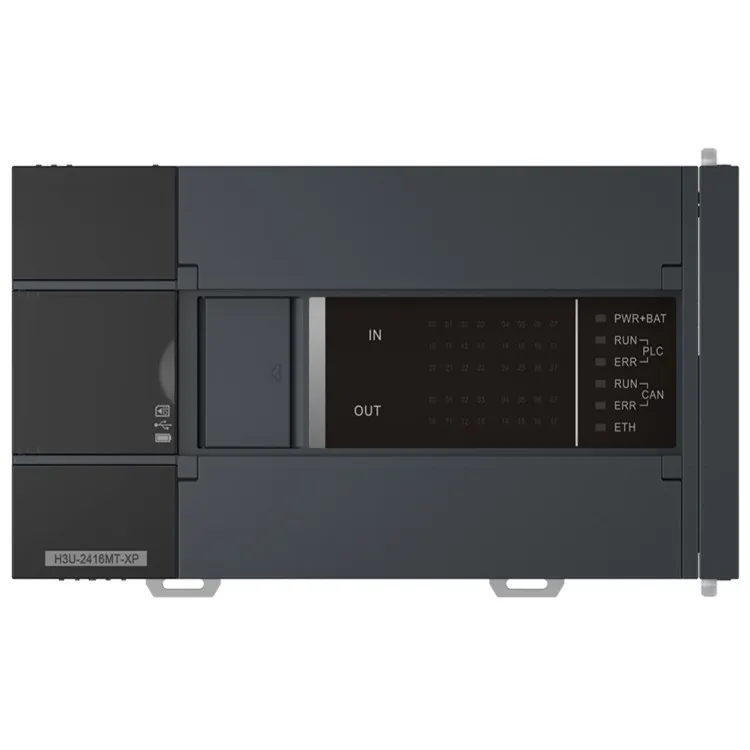
- Manufacturing: PLCs are used to control the operation of manufacturing equipment such as conveyor belts, robotic arms, and assembly lines. They can be programmed to perform tasks such as material handling, quality control, and process monitoring.
- Automotive: In the automotive industry, PLCs are used to control various systems in vehicles, including engine management, transmission control, and anti-lock braking systems. They are also used in automotive manufacturing plants to control the production process.
- Food and Beverage: PLCs are used in the food and beverage industry to control the production process, including mixing, filling, and packaging. They can be programmed to ensure the quality and safety of the products.
- Pharmaceuticals: In the pharmaceutical industry, PLCs are used to control the manufacturing process of drugs and medical devices. They can be programmed to ensure compliance with strict regulatory requirements.
- Building Automation: PLCs are used in building automation systems to control the heating, ventilation, and air conditioning (HVAC) systems, lighting systems, and security systems. They can be programmed to optimize energy consumption and improve the comfort and safety of the building occupants.
Key Features of General PLCs
When choosing a general PLC for your application, it's important to consider the following key features:
- Scalability: A good general PLC should be scalable, allowing you to easily add or remove I/O modules as your application requirements change. This ensures that you can start with a small system and expand it as your business grows.
- Reliability: PLCs are often used in critical applications where reliability is of utmost importance. Look for a PLC that is built to withstand harsh industrial environments and has a high mean time between failures (MTBF).
- Ease of Programming: The programming language used by the PLC should be easy to learn and use. Most modern PLCs support ladder logic programming, which is a graphical programming language that is similar to electrical circuit diagrams.
- Communication Capabilities: A general PLC should have a variety of communication interfaces, such as Ethernet, serial ports, and fieldbus interfaces. This allows you to connect the PLC to other devices and systems, such as human-machine interfaces (HMIs), sensors, and actuators.
- Diagnostic and Troubleshooting Tools: Look for a PLC that provides comprehensive diagnostic and troubleshooting tools. These tools can help you quickly identify and resolve any issues that may arise during the operation of the PLC.
Why Choose Our General PLCs
As a leading supplier of general PLCs, we offer a wide range of high-quality PLCs that are designed to meet the specific requirements of different applications. Our PLCs are known for their reliability, scalability, and ease of use. Here are some of the reasons why you should choose our general PLCs:
- Quality and Reliability: Our PLCs are built to the highest quality standards and are rigorously tested to ensure their reliability. They are designed to withstand harsh industrial environments and have a long service life.
- Scalability: Our PLCs are highly scalable, allowing you to easily expand your system as your application requirements change. You can start with a small system and add I/O modules and other components as needed.
- Ease of Programming: We offer a user-friendly programming environment that makes it easy to create, edit, and download control programs. Our programming software supports ladder logic programming, which is widely used in the industrial automation industry.
- Technical Support: We have a team of experienced technical support engineers who are available to provide you with assistance and support. Whether you have a question about programming, installation, or troubleshooting, our team is here to help.
- Competitive Pricing: We offer our general PLCs at competitive prices without compromising on quality. We understand the importance of cost-effectiveness in today's business environment, and we strive to provide our customers with the best value for their money.
Contact Us for Procurement and洽谈
If you're interested in learning more about our general PLCs or have any questions about our products and services, please don't hesitate to contact us. Our sales team is ready to assist you in choosing the right PLC for your application and providing you with a competitive quote. We look forward to working with you to meet your industrial automation needs.
References
- "Programmable Logic Controllers" by Thomas J. Gerrard and Barry W. Wunsch
- "Industrial Automation and Control Systems" by Michael A. Laughton and Christopher J. Hasler