
As a leading supplier of AC servo motors, I often encounter customers who are curious about the dynamic response characteristics of these motors. Understanding these characteristics is crucial for selecting the right motor for specific applications, ensuring optimal performance and efficiency. In this blog post, I'll delve into the concept of dynamic response in AC servo motors, exploring its significance, key factors, and how it impacts various industrial applications.
What is Dynamic Response?
Dynamic response refers to how quickly and accurately a motor can adjust its speed, torque, or position in response to changes in the input signal. In the context of AC servo motors, it measures the motor's ability to follow rapid changes in the control command, which is essential for applications that require precise and fast motion control. A motor with good dynamic response can start, stop, and change direction rapidly without significant overshoot or delay, providing smooth and accurate operation.
Significance of Dynamic Response in AC Servo Motors
The dynamic response of an AC servo motor is a critical factor in many industrial applications. Here are some reasons why it matters:
- Precision Motion Control: In applications such as robotics, CNC machining, and semiconductor manufacturing, precise motion control is essential. A servo motor with excellent dynamic response can accurately follow the programmed motion profile, ensuring high-quality products and efficient production processes.
- High-Speed Operation: Industries like packaging, printing, and textile manufacturing often require high-speed operation. A motor with fast dynamic response can quickly accelerate and decelerate, enabling high production rates and reducing cycle times.
- Load Variations: In applications where the load on the motor changes frequently, such as conveyor systems and automated assembly lines, a servo motor with good dynamic response can adjust to these changes quickly, maintaining stable operation and preventing damage to the equipment.
Key Factors Affecting Dynamic Response
Several factors influence the dynamic response of an AC servo motor. Understanding these factors can help you select the right motor for your application and optimize its performance.
- Motor Inertia: Inertia is the resistance of an object to changes in its motion. A motor with low inertia can accelerate and decelerate more quickly, resulting in better dynamic response. When selecting a servo motor, it's important to match the motor's inertia to the load inertia to ensure optimal performance.
- Torque Output: The torque output of a servo motor determines its ability to overcome the load and accelerate or decelerate the system. A motor with high torque output can provide faster dynamic response, especially in applications with high inertia loads.
- Control Algorithm: The control algorithm used in the servo drive plays a crucial role in the motor's dynamic response. Advanced control algorithms, such as vector control and field-oriented control, can provide more precise control of the motor's torque and speed, improving its dynamic performance.
- Feedback System: The feedback system, typically a encoder or resolver, provides information about the motor's position, speed, and torque. A high-resolution feedback system can provide more accurate information, enabling the servo drive to adjust the motor's operation more precisely and improve its dynamic response.
Types of Dynamic Response Characteristics
There are two main types of dynamic response characteristics that are commonly evaluated in AC servo motors: step response and frequency response.
- Step Response: The step response measures how quickly the motor reaches the desired speed or position in response to a sudden change in the input signal. A good step response is characterized by a short rise time, minimal overshoot, and fast settling time.
- Frequency Response: The frequency response measures the motor's ability to follow sinusoidal input signals at different frequencies. A motor with a wide frequency response can accurately follow high-frequency input signals, indicating good dynamic performance at high speeds.
Evaluating Dynamic Response
To evaluate the dynamic response of an AC servo motor, several tests can be performed. These tests can provide valuable information about the motor's performance and help you select the right motor for your application.
- Acceleration and Deceleration Tests: These tests measure the motor's ability to accelerate and decelerate quickly. By applying a step input signal and measuring the time it takes for the motor to reach the desired speed, you can evaluate its acceleration and deceleration performance.
- Overshoot and Settling Time Tests: These tests measure the amount of overshoot and the settling time of the motor in response to a step input signal. A motor with minimal overshoot and a short settling time indicates good dynamic response.
- Frequency Response Tests: These tests measure the motor's frequency response by applying sinusoidal input signals at different frequencies and measuring the output response. A wide frequency response indicates good dynamic performance at high speeds.
Applications and Dynamic Response Requirements
Different applications have different dynamic response requirements. Here are some examples of applications and their typical dynamic response requirements:
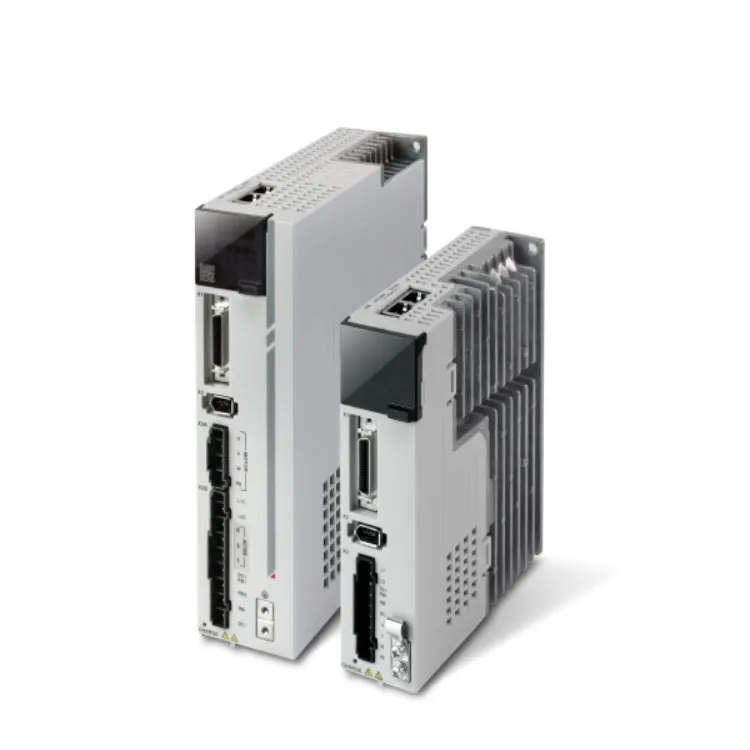
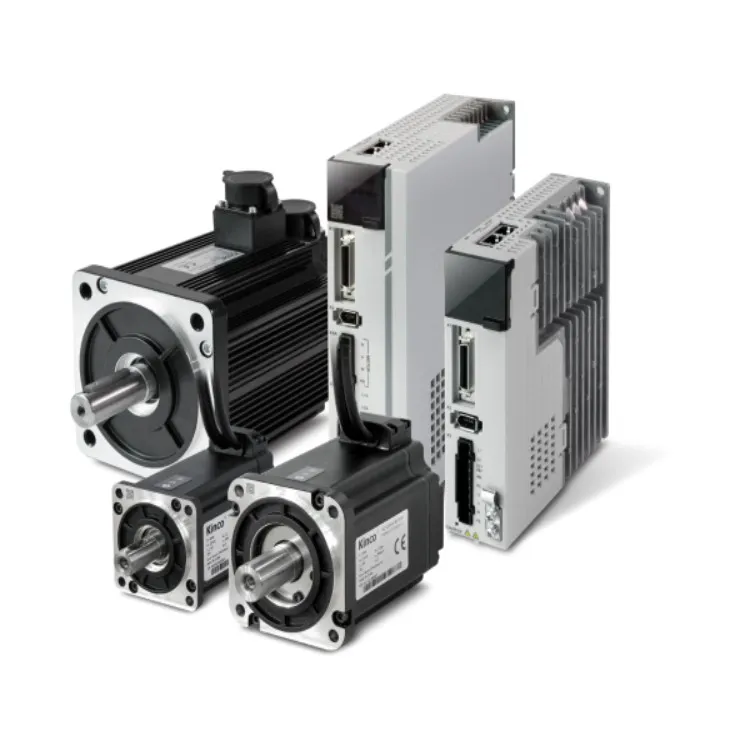
- Robotics: Robotics applications often require high precision and fast dynamic response. Robots need to be able to move quickly and accurately to perform tasks such as pick-and-place operations and assembly. A servo motor with low inertia, high torque output, and advanced control algorithms is typically required for robotics applications.
- CNC Machining: CNC machining requires precise motion control and high-speed operation. A servo motor with good dynamic response can accurately follow the programmed tool path, ensuring high-quality machining results. Motors with high torque output and fast acceleration and deceleration capabilities are commonly used in CNC machines.
- Packaging and Printing: Packaging and printing industries require high-speed operation and fast changeovers. A servo motor with fast dynamic response can quickly adjust to different packaging sizes and printing patterns, enabling high production rates and reducing downtime.
Our AC Servo Motor Offerings
As an AC servo motor supplier, we offer a wide range of motors with excellent dynamic response characteristics. Our product portfolio includes Single Phase AC Servo Motor, 1.5Kw Servo Motor, and 750w Servo Motor, among others.
Our motors are designed with advanced technologies to ensure high performance and reliability. They feature low inertia, high torque output, and advanced control algorithms, providing excellent dynamic response in various applications. Whether you need a motor for a small robotic arm or a large industrial machine, we have the right solution for you.
Conclusion
The dynamic response characteristic of an AC servo motor is a crucial factor in many industrial applications. Understanding this characteristic and its key factors can help you select the right motor for your application and optimize its performance. As a leading supplier of AC servo motors, we are committed to providing high-quality products with excellent dynamic response characteristics. If you have any questions or need assistance in selecting the right servo motor for your application, please feel free to contact us. We look forward to discussing your needs and helping you find the perfect solution.
References
- "Servo Motors and Drives: Fundamentals, Characteristics, and Selection" by Peter Nachtwey
- "Motion Control Handbook" by Michael J. Durfee
- Various technical documents and whitepapers from leading servo motor manufacturers.