
Hey there! As a Counter Sensor supplier, I often get asked about the noise figure of a counter sensor. So, I thought I'd take a moment to break it down and explain what it is, why it matters, and how it impacts the performance of these nifty devices.
First off, let's talk about what a counter sensor is. A Counter Sensor is a type of optoelectronic sensor that's used to detect and count objects as they pass by. These sensors are super useful in a wide range of applications, from manufacturing and packaging to logistics and automation. They can help keep track of inventory, monitor production lines, and ensure that everything is running smoothly.
Now, onto the noise figure. In simple terms, the noise figure of a counter sensor is a measure of how much noise the sensor adds to the signal it's trying to detect. Noise is basically any unwanted electrical or optical interference that can distort the signal and make it harder to accurately detect and count objects.
Think of it like trying to listen to a conversation in a noisy room. If there's a lot of background noise, it's going to be tough to hear what the other person is saying. The same goes for a counter sensor. If there's too much noise in the system, it can lead to false detections or missed counts, which can cause all sorts of problems in your application.
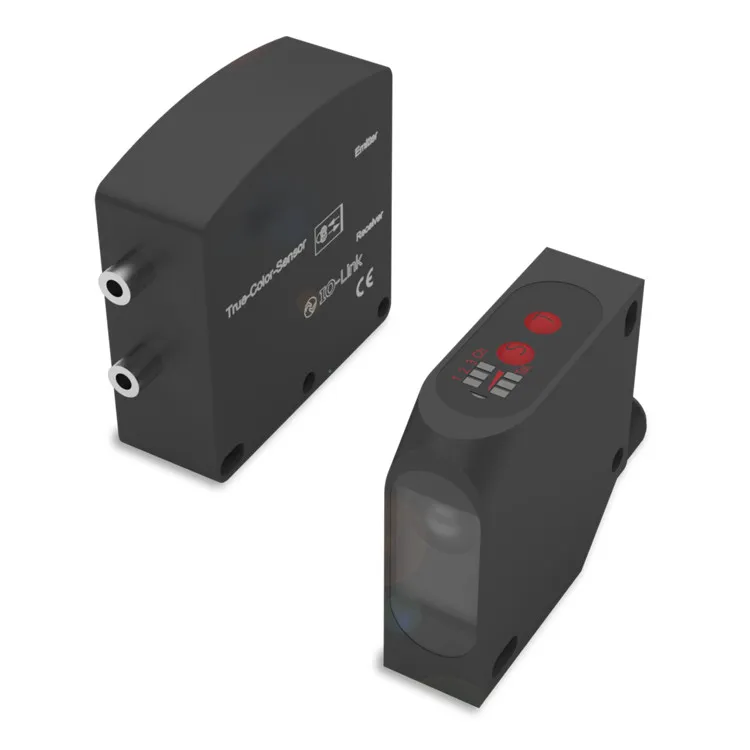
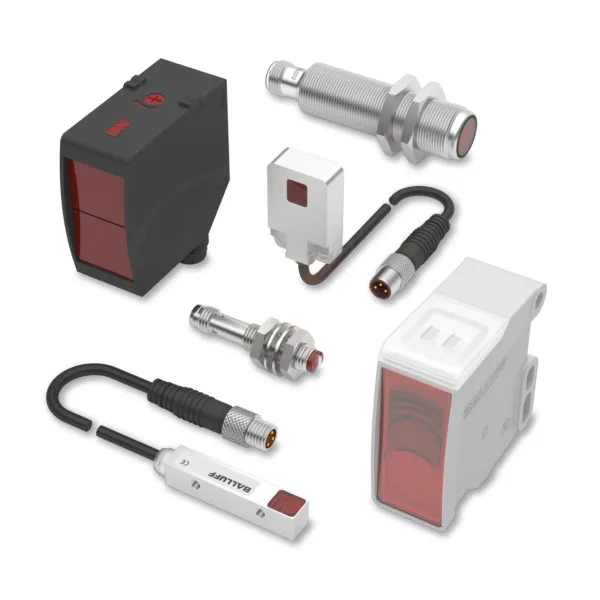
The noise figure is usually expressed in decibels (dB), and a lower noise figure means better performance. For example, a counter sensor with a noise figure of 3 dB is going to be more accurate and reliable than one with a noise figure of 6 dB.
So, why does the noise figure matter? Well, in many applications, accuracy is key. Whether you're counting products on a conveyor belt or monitoring the flow of parts in a manufacturing process, you need to be able to trust that your counter sensor is giving you accurate data. A high noise figure can introduce errors and inconsistencies, which can lead to wasted time, money, and resources.
In addition to accuracy, the noise figure can also affect the sensitivity of the counter sensor. Sensitivity refers to how well the sensor can detect weak signals. A sensor with a low noise figure is generally more sensitive, which means it can detect smaller or more distant objects. This can be especially important in applications where the objects being counted are small or moving quickly.
Now, let's take a look at some of the factors that can affect the noise figure of a counter sensor. One of the main factors is the quality of the components used in the sensor. High-quality components tend to have lower noise levels, which can result in a lower noise figure. This is why it's important to choose a counter sensor from a reputable supplier that uses high-quality materials and manufacturing processes.
Another factor is the design of the sensor. A well-designed sensor will have features that help reduce noise, such as shielding, filtering, and proper grounding. These features can help minimize the impact of external interference and improve the overall performance of the sensor.
The operating environment can also have a significant impact on the noise figure. For example, if the sensor is exposed to high levels of electromagnetic interference (EMI) or radio frequency interference (RFI), it can increase the noise level and degrade the performance of the sensor. In these cases, it may be necessary to use additional shielding or filtering to reduce the interference.
Temperature can also play a role. Extreme temperatures can cause the performance of the sensor to degrade, including an increase in the noise figure. This is why it's important to choose a counter sensor that's designed to operate within the temperature range of your application.
So, how can you choose a counter sensor with a low noise figure? Here are a few tips:
- Look for a supplier with a good reputation. A reputable supplier will have a track record of producing high-quality sensors with low noise figures.
- Check the specifications. Make sure to look for the noise figure specification in the sensor datasheet. A lower noise figure is generally better.
- Consider the application. Think about the specific requirements of your application, such as the size and speed of the objects being counted, the distance between the sensor and the objects, and the operating environment. This will help you choose a sensor that's the right fit for your needs.
- Ask for recommendations. If you're not sure which counter sensor to choose, don't hesitate to ask for recommendations from other users or industry experts. They may be able to share their experiences and help you make an informed decision.
In addition to counter sensors, there are also other types of optoelectronic sensors that you might find useful in your application. For example, Contrast Sensor are used to detect differences in contrast between objects, while Colour Sensor can be used to identify and sort objects based on their color.
If you're in the market for a counter sensor or any other type of optoelectronic sensor, I'd love to help. As a supplier, I have a wide range of high-quality sensors to choose from, and I can work with you to find the right solution for your application. Whether you need a sensor with a low noise figure, high sensitivity, or other specific features, I'm here to assist you.
If you have any questions or would like to discuss your requirements further, please don't hesitate to reach out. I'm always happy to have a chat and see how I can help you improve the performance of your system.
In conclusion, the noise figure of a counter sensor is an important factor to consider when choosing a sensor for your application. A low noise figure can help ensure accurate and reliable counting, while a high noise figure can lead to errors and inconsistencies. By understanding the factors that affect the noise figure and choosing a high-quality sensor from a reputable supplier, you can improve the performance and efficiency of your system.
References
- Optoelectronic Sensor Handbook
- Principles of Sensor Technology