
As a supplier of DC servo motors, I've encountered numerous inquiries about the power supply compatibility of these motors. Understanding this aspect is crucial for ensuring optimal performance and longevity of the DC servo motors in various applications. In this blog, I'll delve into the intricacies of power supply compatibility, exploring the key factors and considerations that every user should be aware of.
Understanding DC Servo Motors
Before we dive into power supply compatibility, let's briefly recap what DC servo motors are. These motors are a type of direct current motor that uses a feedback mechanism to precisely control their position, speed, and torque. They are widely used in robotics, industrial automation, CNC machinery, and other applications where precise motion control is required.
Power Supply Basics
The power supply for a DC servo motor typically consists of a DC voltage source and a controller. The voltage source provides the electrical energy needed to drive the motor, while the controller regulates the motor's operation based on the input signals. The compatibility between the power supply and the DC servo motor is determined by several factors, including voltage, current, and frequency.
Voltage Compatibility
One of the most critical aspects of power supply compatibility is voltage. DC servo motors are designed to operate within a specific voltage range, and using a power supply with an incorrect voltage can lead to various issues, such as reduced performance, overheating, and even motor failure.
Most DC servo motors are available in different voltage ratings, such as 12V, 24V, 48V, and higher. When selecting a power supply, it's essential to ensure that the output voltage matches the motor's rated voltage. For example, if you have a 24V DC servo motor, you should use a 24V power supply.
It's also important to note that the voltage tolerance of the motor should be considered. Some motors may have a small tolerance range, while others can tolerate a slightly higher or lower voltage. Always refer to the motor's datasheet for the exact voltage specifications.
Current Compatibility
In addition to voltage, current compatibility is also crucial. The current rating of the power supply should be sufficient to meet the motor's requirements. If the power supply cannot provide enough current, the motor may not be able to operate at its full capacity, leading to reduced performance and efficiency.
The current requirements of a DC servo motor depend on several factors, including the motor's size, torque, and speed. When selecting a power supply, you should consider the motor's maximum current draw, which is typically specified in the datasheet. It's recommended to choose a power supply with a current rating that is slightly higher than the motor's maximum current draw to ensure reliable operation.
Frequency Compatibility
Unlike AC motors, DC servo motors do not rely on frequency for operation. However, some power supplies may produce a certain level of electrical noise or ripple, which can affect the motor's performance. To minimize the impact of electrical noise, it's advisable to use a power supply with a low ripple voltage and good filtering capabilities.
Types of Power Supplies for DC Servo Motors
There are several types of power supplies that can be used with DC servo motors, each with its own advantages and disadvantages.
Linear Power Supplies
Linear power supplies are simple and reliable, and they provide a stable DC output voltage. They are suitable for applications where low noise and high precision are required. However, linear power supplies are less efficient than switching power supplies, and they can generate a significant amount of heat.
Switching Power Supplies
Switching power supplies are more efficient than linear power supplies and can handle higher power loads. They are widely used in industrial applications and are available in a variety of voltage and current ratings. However, switching power supplies can produce more electrical noise than linear power supplies, which may require additional filtering.
Battery Power Supplies
Battery power supplies are a convenient option for portable applications or where a reliable AC power source is not available. They provide a clean and stable DC output voltage, and they can be easily recharged. However, battery power supplies have a limited capacity and may require frequent recharging.
Compatibility with DC Servo Drivers
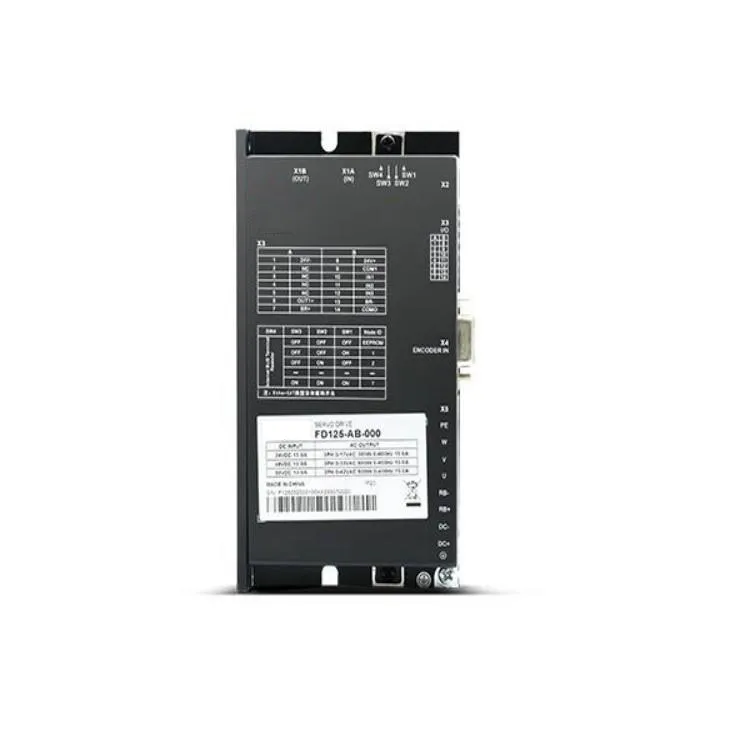
In addition to the power supply, the compatibility between the DC servo motor and the servo driver is also crucial. The servo driver is responsible for controlling the motor's operation, and it needs to be compatible with the motor's voltage, current, and control signals.
When selecting a servo driver, you should ensure that it is designed to work with the specific type and rating of the DC servo motor. Some servo drivers are compatible with a wide range of motors, while others are designed for specific applications or motor types.
For more information about DC servo drivers, you can visit DC Servo Driver.
Special Considerations for Low-Voltage and Frameless Torque Motors
Low-voltage servo motors and frameless torque motors have some unique characteristics that require special considerations when it comes to power supply compatibility.
Low-Voltage Servo Motors
Low-voltage servo motors are designed to operate at a lower voltage, typically 12V or 24V. They are commonly used in applications where space and power consumption are limited, such as robotics and small automation systems.
When using a low-voltage servo motor, it's important to ensure that the power supply can provide enough current to meet the motor's requirements. Since low-voltage motors typically have a higher current draw, a power supply with a higher current rating may be necessary.
For more information about low-voltage servo motors, you can visit Low-voltage Servo Motor.
Frameless Torque Motors
Frameless torque motors are a type of direct-drive motor that offers high torque density and compact size. They are commonly used in applications where high precision and high torque are required, such as robotics and machine tools.
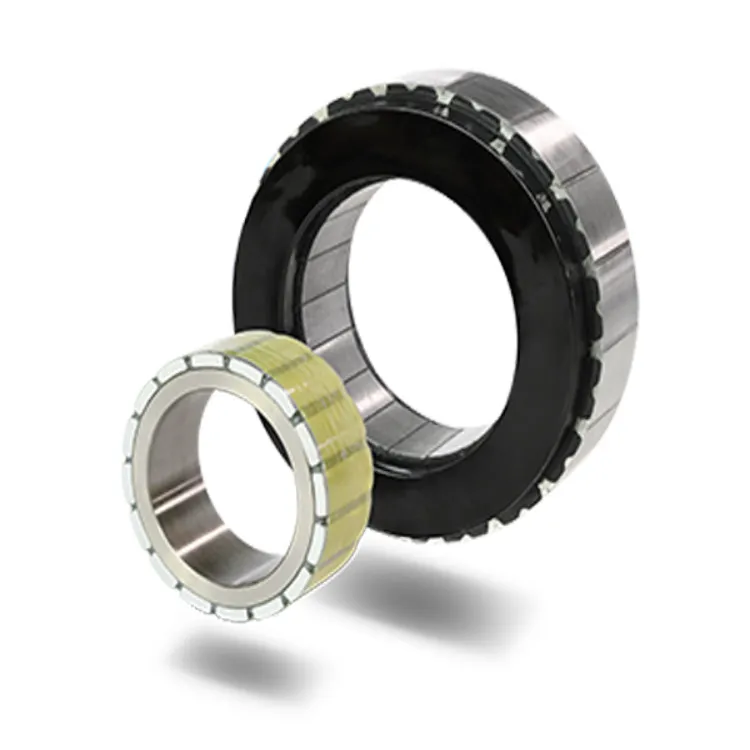
Frameless torque motors typically require a specialized power supply and servo driver to ensure optimal performance. The power supply should be able to provide a stable DC voltage and sufficient current to meet the motor's requirements.
For more information about frameless torque motors, you can visit Frameless Torque Motor.
Conclusion
In conclusion, power supply compatibility is a crucial aspect of using DC servo motors. By understanding the key factors and considerations, such as voltage, current, and frequency, you can ensure that your motor operates at its full potential and provides reliable performance.
When selecting a power supply and servo driver, it's important to choose products that are compatible with your motor's specifications. Always refer to the motor's datasheet for the exact voltage, current, and other specifications, and consult with a professional if you have any questions or concerns.
If you're in the market for high-quality DC servo motors or need assistance with power supply compatibility, please don't hesitate to contact us. Our team of experts is here to help you find the right solutions for your application.
References
- Manufacturer's datasheets for DC servo motors
- Technical literature on power supplies and servo drivers
- Industry standards and guidelines for DC servo motor applications