
As a trusted Siemens HMI supplier, I am often asked about the types of sensors that are compatible with Siemens HMI devices. In this blog post, I will explore the various sensor types that can be seamlessly integrated with Siemens HMIs, offering a comprehensive guide for those looking to enhance their industrial automation systems.
Understanding Siemens HMI
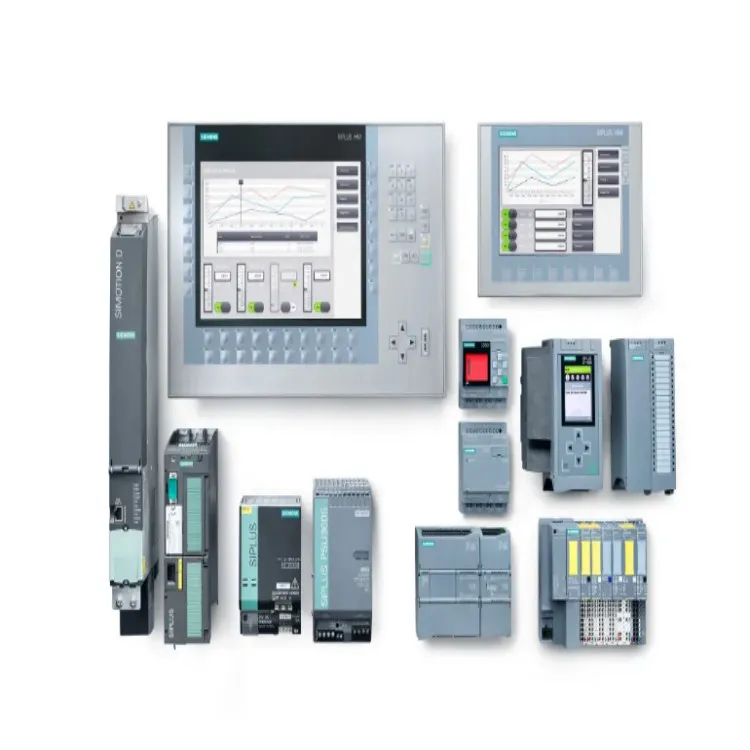
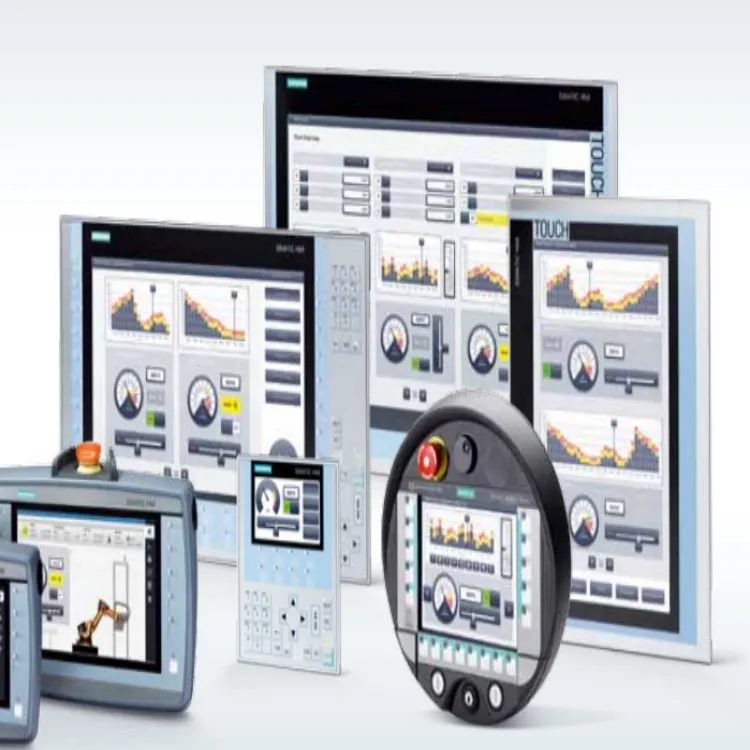
Before delving into sensor compatibility, it's essential to understand what Siemens HMI brings to the table. Siemens offers a wide range of HMIs, including the Siemens SIMATIC HMI and Siemens Basic HMI, each designed to meet different industrial needs. These HMIs provide a user - friendly interface for operators to monitor and control industrial processes, making them a cornerstone of modern automation systems.
Compatible Sensor Types
1. Temperature Sensors
Temperature is a critical parameter in many industrial processes, from manufacturing to food processing. Siemens HMIs can be easily connected to different types of temperature sensors, such as thermocouples and resistance temperature detectors (RTDs).
- Thermocouples: These sensors work based on the Seebeck effect, generating a voltage proportional to the temperature difference between two junctions. They are known for their wide temperature range and durability. For example, in a metal smelting process, thermocouples can withstand high temperatures and provide accurate temperature readings to the Siemens HMI, allowing operators to monitor and adjust the melting process in real - time.
- RTDs: Resistance temperature detectors measure temperature by changes in electrical resistance. They offer high accuracy and stability, making them suitable for applications where precise temperature control is required, such as pharmaceutical manufacturing. The Siemens HMI can display the temperature data from RTDs, enabling operators to maintain the optimal temperature for drug production.
2. Pressure Sensors
Pressure sensors are used to measure the pressure of gases or liquids in industrial systems. Siemens HMIs can interface with various pressure sensor types, including strain - gauge and piezoelectric sensors.
- Strain - Gauge Pressure Sensors: These sensors work by measuring the deformation of a strain gauge when pressure is applied. They are commonly used in hydraulic and pneumatic systems. For instance, in an automotive manufacturing plant, strain - gauge pressure sensors can monitor the pressure in hydraulic presses, and the data can be displayed on the Siemens HMI. Operators can then ensure that the presses are operating within the correct pressure range to produce high - quality parts.
- Piezoelectric Pressure Sensors: Piezoelectric sensors generate an electric charge in response to pressure changes. They are known for their high - frequency response and are often used in applications such as engine combustion pressure measurement. The Siemens HMI can receive the pressure data from piezoelectric sensors, providing real - time information to optimize engine performance.
3. Level Sensors
Level sensors are crucial for monitoring the level of liquids or solids in tanks, silos, and other containers. Siemens HMIs can be paired with different level sensor technologies, such as ultrasonic and capacitive sensors.
- Ultrasonic Level Sensors: These sensors work by emitting ultrasonic waves and measuring the time it takes for the waves to bounce back from the surface of the material. They are non - contact sensors, making them suitable for measuring the level of corrosive or viscous liquids. In a chemical storage facility, ultrasonic level sensors can accurately measure the liquid level in storage tanks, and the data can be transmitted to the Siemens HMI. Operators can then manage inventory and prevent over - filling or running out of chemicals.
- Capacitive Level Sensors: Capacitive sensors measure the change in capacitance caused by the presence of a material. They are versatile and can be used to detect the level of both liquids and solids. In a food processing plant, capacitive level sensors can monitor the level of flour in silos, and the Siemens HMI can display the information, helping operators to plan production and replenish supplies in a timely manner.
4. Proximity Sensors
Proximity sensors are used to detect the presence or absence of an object without physical contact. Siemens HMIs can be integrated with different types of proximity sensors, such as inductive and photoelectric sensors.
- Inductive Proximity Sensors: These sensors detect metallic objects by generating an electromagnetic field. They are commonly used in conveyor systems to detect the presence of metal parts. For example, in an assembly line, inductive proximity sensors can sense when a metal component arrives at a specific position, and the Siemens HMI can display the status, allowing operators to control the assembly process accordingly.
- Photoelectric Proximity Sensors: Photoelectric sensors use light to detect objects. They can be used to detect a wide range of materials, including transparent and opaque objects. In a packaging line, photoelectric sensors can detect the presence of packages, and the Siemens HMI can provide information on the packaging process, such as the number of packages processed and any blockages in the line.
5. Flow Sensors
Flow sensors are used to measure the flow rate of liquids or gases in pipes or channels. Siemens HMIs can be connected to different flow sensor types, such as electromagnetic and turbine flow sensors.
- Electromagnetic Flow Sensors: These sensors work based on Faraday's law of electromagnetic induction, measuring the flow of conductive liquids. They are suitable for applications where the liquid contains impurities or is corrosive. For example, in a water treatment plant, electromagnetic flow sensors can measure the flow rate of wastewater, and the data can be displayed on the Siemens HMI. Operators can then adjust the treatment process based on the flow rate.
- Turbine Flow Sensors: Turbine flow sensors measure the flow rate by the rotation speed of a turbine in the flow path. They are often used in applications where high - accuracy flow measurement is required, such as in the oil and gas industry. The Siemens HMI can receive the flow rate data from turbine flow sensors, enabling operators to manage the production and distribution of oil and gas.
Benefits of Integrating Sensors with Siemens HMI
- Improved Process Visibility: By integrating sensors with Siemens HMIs, operators can have real - time access to critical process data. They can monitor multiple parameters simultaneously on a single screen, allowing for better decision - making. For example, in a power generation plant, operators can view the temperature, pressure, and flow rate data from different sensors on the Siemens HMI, enabling them to optimize the power generation process and prevent equipment failures.
- Enhanced Safety: Sensors can detect abnormal conditions in industrial processes, such as over - temperature or high pressure. The Siemens HMI can display alarm messages when such conditions occur, alerting operators to take immediate action. This helps to prevent accidents and protect both personnel and equipment.
- Increased Efficiency: With accurate sensor data displayed on the Siemens HMI, operators can make timely adjustments to the industrial processes. For instance, in a manufacturing plant, by monitoring the flow rate and temperature of a cooling system using sensors and the HMI, operators can ensure that the system is operating at maximum efficiency, reducing energy consumption and production costs.
How to Ensure Compatibility
When integrating sensors with Siemens HMIs, several factors need to be considered to ensure compatibility:
- Communication Protocol: Sensors and the Siemens HMI must use a compatible communication protocol. Common protocols include Modbus, Profibus, and Ethernet/IP. For example, if a sensor uses the Modbus protocol, the Siemens HMI should be configured to support Modbus communication to receive the sensor data.
- Electrical Compatibility: The electrical characteristics of the sensor and the HMI, such as voltage and current ratings, must be compatible. Incorrect electrical connections can damage the sensor or the HMI.
- Software Configuration: The Siemens HMI software needs to be properly configured to recognize and display the sensor data. This may involve setting up the data type, scaling, and units of measurement.
Contact for Procurement and Consultation
If you are interested in integrating sensors with Siemens HMIs for your industrial automation system, I am here to help. As a Siemens HMI supplier, I have extensive experience in providing high - quality products and solutions. Whether you need advice on sensor selection, system configuration, or have any other questions, please feel free to contact me for procurement and consultation.
References
- "Industrial Sensors Handbook", Second Edition, by John W. Sheppard
- "Siemens SIMATIC HMI Product Manuals"
- Technical papers from Siemens on HMI - sensor integration