

Can a counter sensor be used in medical applications?
In the dynamic landscape of modern medical technology, continuous innovation is the driving force behind enhanced patient care, streamlined processes, and accurate diagnostics. While we often focus on high - profile medical devices like MRIs and robotic surgical systems, humble components such as sensors play a crucial role. Among them, the counter sensor has potential applications worthy of exploration. As a Counter Sensor provider, I will delve into the feasibility and potential uses of counter sensors in the medical field.
Basics of Counter Sensors
Before discussing medical applications, let's understand what a counter sensor is. A Counter Sensor is an optoelectronic device that can detect and count objects as they pass through its detection field. It operates based on principles such as infrared light interruption, reflection, or absorption. When an object enters the detection area, it disrupts the light beam, and the sensor records this event as a count. These sensors are known for their high accuracy, fast response time, and reliability, making them suitable for a wide range of industrial and automation applications.
Potential Applications in Medical Settings
Medication Dispensing
One of the most promising applications of counter sensors in the medical field is in medication dispensing systems. Hospitals and pharmacies often need to dispense a specific number of pills or capsules accurately. A counter sensor can be integrated into the dispensing mechanism to count each individual pill as it passes through a chute or a conveyor. This ensures that the correct dosage is provided to the patient, reducing the risk of human error in manual counting. For example, in an automated pill - counting machine, the counter sensor can detect each pill with high precision, even at high - speed dispensing rates. This not only improves the efficiency of the dispensing process but also enhances patient safety.
Blood Cell Counting
In hematology, the accurate counting of blood cells is essential for diagnosing various diseases. Traditional blood cell counting methods involve manual microscopy, which is time - consuming and prone to human error. Counter sensors can offer a more automated and accurate alternative. By using a micro - fluidic system, blood samples can be passed through a narrow channel where the counter sensor detects and counts individual cells based on their size and optical properties. This technology can significantly reduce the time required for blood cell analysis and provide more consistent results.
Medical Equipment Usage Tracking
Hospitals have a large number of expensive medical equipment, and it's important to track their usage for maintenance, inventory management, and cost - accounting purposes. Counter sensors can be installed on medical devices such as infusion pumps, ventilators, and defibrillators. Every time the device is used, the counter sensor records the event. This data can then be used to schedule preventive maintenance, ensure proper inventory levels, and allocate costs accurately. For instance, if a particular infusion pump has been used more frequently than others, it may require more frequent maintenance to ensure its continued reliability.
Surgical Instrument Counting
During surgical procedures, it is crucial to keep an accurate count of surgical instruments to prevent any from being left inside the patient. Counter sensors can be used in instrument trays or cabinets to count the instruments as they are removed and returned. By integrating the sensor data with a digital tracking system, surgeons and nurses can easily verify the instrument count at the end of the procedure. This adds an extra layer of safety and reduces the risk of surgical complications.
Advantages of Using Counter Sensors in Medical Applications
Accuracy
Counter sensors offer high - level accuracy in counting objects. In medical applications where precision is of utmost importance, such as medication dosage and blood cell counting, this accuracy can have a significant impact on patient outcomes. The sensors can detect even the smallest objects with a high degree of reliability, ensuring that the counts are as accurate as possible.
Speed
In a fast - paced medical environment, time is often of the essence. Counter sensors can provide instant counts, allowing medical professionals to make quick decisions. For example, in a busy pharmacy, an automated pill - counting machine with a counter sensor can dispense medications much faster than manual methods, reducing patient waiting times.
Reliability
Medical devices need to be highly reliable to function properly in critical situations. Counter sensors are designed to operate continuously with minimal maintenance. They are resistant to environmental factors such as dust, moisture, and vibrations, making them suitable for use in various medical settings.
Challenges and Limitations
Contamination Risks
In medical settings, contamination is a major concern. Counter sensors that come into contact with biological samples or medications need to be carefully designed to prevent contamination. Special materials and coatings may be required to ensure that the sensor does not introduce any harmful substances into the medical environment.
Compatibility with Medical Systems
Integrating counter sensors into existing medical systems can be challenging. The sensors need to be compatible with the software and hardware of medical devices, and there may be issues with data communication and integration. Additionally, medical devices are often subject to strict regulatory requirements, and ensuring that the counter sensor meets these standards can be a complex process.
Cost
The cost of implementing counter sensors in medical applications can be a significant barrier. High - quality sensors with the necessary accuracy and reliability can be expensive, and there may also be additional costs associated with installation, calibration, and maintenance.
Comparison with Other Sensors
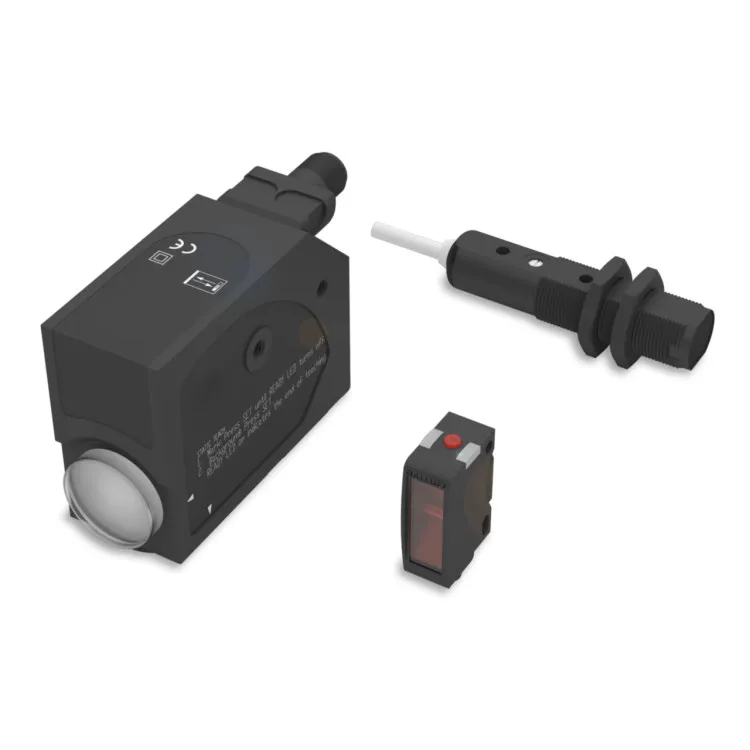
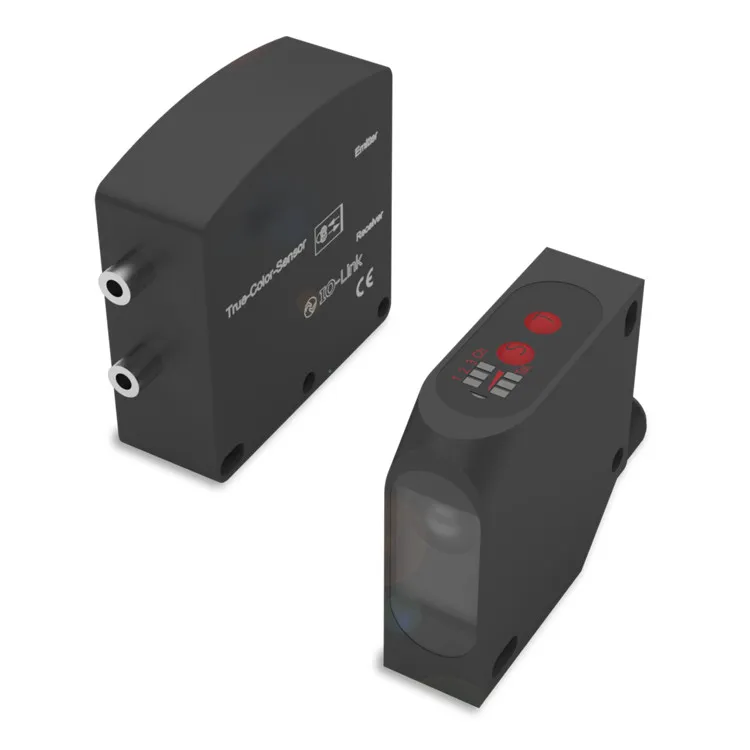
In addition to counter sensors, other types of optoelectronic sensors such as Contrast Sensor and Colour Sensor are also used in medical applications. Contrast sensors are used to detect differences in surface contrast, which can be useful in applications such as detecting the presence of labels on medical containers or identifying different types of tissues based on their visual appearance. Colour sensors, on the other hand, can be used to measure the colour of biological samples, which can provide valuable information for diagnosing diseases.
However, counter sensors have a unique advantage in applications where counting objects is the primary requirement. While contrast and colour sensors may be used to identify and classify objects, they are not designed specifically for counting. Counter sensors, with their dedicated counting functionality, can provide more accurate and efficient counting solutions in many medical scenarios.
Future Outlook
The future of counter sensors in medical applications looks promising. As technology continues to advance, we can expect to see improvements in sensor accuracy, reliability, and cost - effectiveness. Integration with other technologies such as artificial intelligence and the Internet of Things (IoT) will also open up new possibilities. For example, counter sensors can be connected to IoT platforms to provide real - time data on medical device usage and instrument counts. This data can be analyzed using AI algorithms to predict maintenance needs and improve overall operational efficiency.
Conclusion
In conclusion, counter sensors have significant potential in medical applications. From medication dispensing to blood cell counting and surgical instrument tracking, these sensors can enhance accuracy, speed, and reliability in various medical processes. While there are challenges to overcome, such as contamination risks, compatibility issues, and cost concerns, the benefits they offer make them a valuable addition to the medical technology landscape.
As a Counter Sensor provider, we are committed to developing high - quality sensors that meet the unique requirements of the medical field. Our sensors are designed to be accurate, reliable, and easy to integrate into existing medical systems. If you are interested in exploring how our counter sensors can be used in your medical applications, we encourage you to reach out to us for further discussions and purchasing negotiations.
References
- "Medical Device Sensors: Technology, Design, and Applications" by John G. Webster
- "Handbook of Biosensors and Biochips" edited by Andreas L. J. Markwitz
- Research articles on medical sensor technology from journals such as "IEEE Sensors Journal" and "Medical and Biological Engineering and Computing"