

As a supplier of AC servo motors, I often encounter questions from customers regarding the maintenance requirements of these high - performance motors. In this blog, I'll delve into whether AC servo motors require regular maintenance, the factors that influence this need, and how proper maintenance can ensure the longevity and efficiency of these motors.
Understanding AC Servo Motors
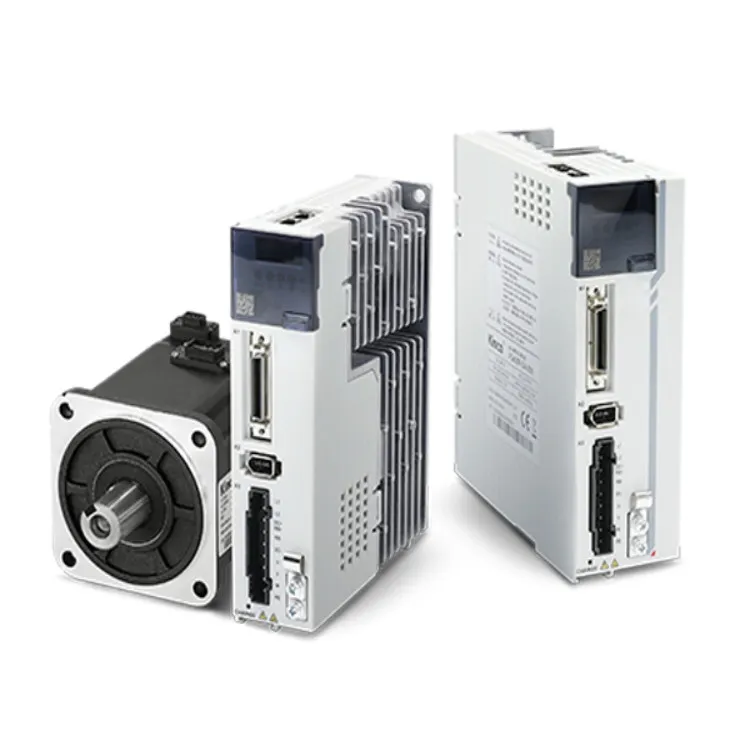
AC servo motors are widely used in various industrial applications due to their precise control, high torque density, and excellent dynamic response. They are available in different types, such as 3 Phase AC Servo Motor and Single Phase AC Servo Motor. The 750w Servo Motor is also a popular choice for many medium - sized applications.
These motors operate based on the principle of converting electrical energy into mechanical energy with high precision. They are commonly used in robotics, CNC machines, packaging equipment, and other automation systems where accurate motion control is essential.
Do AC Servo Motors Require Regular Maintenance?
The short answer is yes, AC servo motors do require regular maintenance, although the frequency and intensity of maintenance can vary depending on several factors.
Environmental Factors
The environment in which the AC servo motor operates plays a crucial role in determining its maintenance needs. If the motor is installed in a dirty, dusty, or humid environment, it will be more prone to wear and tear. Dust can accumulate on the motor's internal components, such as the windings and bearings, which can lead to overheating and reduced efficiency. Humidity can cause corrosion of the motor's electrical connections and mechanical parts, increasing the risk of electrical shorts and mechanical failures.

For example, in a woodworking factory where sawdust is prevalent, the AC servo motors used in the cutting and shaping machines need to be cleaned regularly to prevent dust from clogging the ventilation holes and affecting the motor's cooling system. In a food processing plant, where there is high humidity and the presence of cleaning agents, the motors need to be protected from moisture and chemical corrosion.
Operating Conditions
The operating conditions of the AC servo motor also impact its maintenance requirements. Motors that are subjected to frequent starts and stops, high - speed operation, or heavy loads will experience more stress and wear on their components. For instance, a servo motor in a stamping machine that operates at high speed and applies a large amount of force during each cycle will require more frequent inspection and maintenance compared to a motor in a low - speed, light - load application.
Overloading the motor can cause excessive heat generation, which can damage the motor's insulation and reduce its lifespan. Therefore, it is essential to ensure that the motor is properly sized for the application and that the operating conditions are within the motor's rated specifications.
Component Wear
Like any mechanical and electrical device, AC servo motors have components that will wear out over time. The bearings, for example, are one of the most critical components in a servo motor. They support the rotating shaft and ensure smooth operation. However, continuous rotation and the load on the shaft can cause the bearings to wear, leading to increased vibration, noise, and eventually, failure.
The motor's brushes (in brushed AC servo motors) also wear out with use. Brushes are responsible for transferring electrical current to the rotating armature. As they wear down, they may not make proper contact, which can result in poor motor performance and reduced efficiency.
Benefits of Regular Maintenance
Regular maintenance of AC servo motors offers several benefits that make it a worthwhile investment for businesses.
Extended Lifespan
By regularly inspecting and servicing the motor, potential problems can be detected and addressed before they become major issues. This helps to extend the lifespan of the motor, reducing the need for frequent replacements. For example, replacing worn - out bearings in a timely manner can prevent further damage to the motor's shaft and other components, ensuring that the motor can continue to operate for many years.
Improved Performance
Proper maintenance ensures that the AC servo motor operates at its optimal performance level. Clean windings, well - lubricated bearings, and properly adjusted components result in smoother operation, higher efficiency, and more accurate motion control. This can lead to improved product quality in manufacturing processes and increased productivity in automation systems.
Reduced Downtime
Unplanned motor failures can cause significant downtime in industrial operations, resulting in lost production and increased costs. Regular maintenance helps to minimize the risk of unexpected breakdowns, allowing businesses to schedule maintenance during planned downtime periods. This reduces the impact on production and ensures that the equipment can operate continuously without major interruptions.
Maintenance Tasks for AC Servo Motors
Here are some common maintenance tasks that should be performed on AC servo motors:
Visual Inspection
Regular visual inspections are essential to detect any signs of damage, wear, or abnormal conditions. Check for loose connections, damaged cables, and signs of overheating, such as discoloration of the motor's housing. Inspect the motor's exterior for any physical damage, such as scratches or dents, which could indicate a problem with the motor's mounting or operation.
Cleaning
Clean the motor regularly to remove dust, dirt, and debris. Use a soft brush or compressed air to clean the ventilation holes and the exterior of the motor. Be careful not to damage the motor's components during the cleaning process.
Lubrication
If the motor has bearings that require lubrication, ensure that the lubricant is at the appropriate level and is in good condition. Over - lubrication or using the wrong type of lubricant can also cause problems, so it is important to follow the manufacturer's recommendations.
Electrical Testing
Periodically test the motor's electrical parameters, such as insulation resistance, winding resistance, and voltage. These tests can help detect any electrical problems, such as short circuits or open circuits, before they cause a complete motor failure.
Bearing Inspection and Replacement
As mentioned earlier, the bearings are a critical component in the AC servo motor. Regularly inspect the bearings for signs of wear, such as excessive play or noise. If the bearings show signs of significant wear, they should be replaced promptly to prevent further damage to the motor.
Conclusion
In conclusion, AC servo motors do require regular maintenance to ensure their reliable operation, extended lifespan, and optimal performance. By considering the environmental factors, operating conditions, and component wear, businesses can develop a comprehensive maintenance plan for their AC servo motors.
As a supplier of AC servo motors, I recommend that our customers follow the manufacturer's maintenance guidelines and schedule regular inspections and servicing. By doing so, they can avoid costly breakdowns, improve the efficiency of their equipment, and ultimately enhance their bottom line.
If you are interested in purchasing AC servo motors or need more information about their maintenance, please feel free to contact us. Our team of experts is ready to assist you in finding the right motor for your application and providing you with the necessary support and advice on maintenance.
References
- "Servo Motors and Drives: Fundamentals, Types, and Applications" by Ian Hussey
- Manufacturer's manuals and technical documents for AC servo motors