

Hey there! As a supplier of Colour Sensors, I often get asked about how these nifty devices detect color in solids. It's a super interesting topic, and I'm stoked to break it down for you in this blog.
Let's start with the basics. A Colour Sensor is a device that can measure and identify different colors. But how does it work when it comes to solids? Well, it all boils down to a few key principles of light and color science.
The Science of Light and Color
First off, we need to understand a bit about light. Light is made up of different wavelengths, and each wavelength corresponds to a different color. When light hits a solid object, three things can happen: it can be absorbed, reflected, or transmitted. In the case of a solid, most of the time, we're interested in the reflected light.
The color we perceive in an object is actually the result of which wavelengths of light are reflected. For example, a red apple appears red because it reflects red wavelengths of light and absorbs most of the other colors.
How a Colour Sensor Works
A typical colour sensor has three main components: a light source, a detector, and a processing unit.
The Light Source
The light source in a colour sensor emits white light, which is a combination of all the visible wavelengths. This white light is then directed towards the solid object we want to analyze. The type of light source can vary, but LEDs are commonly used because they're energy - efficient, long - lasting, and can provide a consistent light output.
The Detector
The detector is the part that actually "sees" the light reflected from the solid. It's usually made up of photodiodes or phototransistors. These components can convert light into an electrical signal. But here's the cool part: a colour sensor's detector is designed to be sensitive to different wavelengths of light.
Most colour sensors have three types of detectors, each sensitive to a different primary color: red, green, and blue (RGB). By measuring the intensity of the red, green, and blue light reflected from the solid, the sensor can determine the color of the object.
For example, if the sensor detects a high intensity of red light and low intensities of green and blue light, it can conclude that the object is red. The ratio of the intensities of these three primary colors is what allows the sensor to accurately identify a wide range of colors.
The Processing Unit
Once the detector has converted the light into electrical signals, the processing unit takes over. It analyzes these signals and compares them to a pre - calibrated set of values. This calibration is done during the manufacturing process of the sensor.
The processing unit uses algorithms to calculate the exact color of the solid based on the RGB values. It can then output the color information in a variety of formats, such as a color code or a text description of the color.
Factors Affecting Colour Detection in Solids
While colour sensors are pretty accurate, there are a few factors that can affect their performance when detecting color in solids.
Surface Texture
The surface texture of a solid can have a big impact on color detection. A smooth surface will reflect light more uniformly, making it easier for the sensor to accurately measure the color. On the other hand, a rough or uneven surface can scatter the light in different directions, leading to inconsistent readings.
For example, a shiny metal object with a smooth finish will give more reliable color readings compared to a piece of fabric with a textured surface.
Lighting Conditions
The quality and intensity of the ambient light can also affect the sensor's performance. If there's too much external light, it can interfere with the light emitted by the sensor's light source, making it difficult to accurately measure the reflected light from the solid.
On the other hand, if the lighting is too dim, the detector may not receive enough light to generate a strong enough electrical signal. That's why it's important to use colour sensors in controlled lighting environments whenever possible.
Material Composition
The material of the solid can also play a role. Some materials may absorb or reflect light differently depending on their chemical composition. For example, a plastic object may have additives that can affect its color appearance and how the sensor detects it.
Applications of Colour Sensors in Detecting Colors in Solids
Colour sensors have a wide range of applications when it comes to detecting colors in solids.
Quality Control in Manufacturing
In manufacturing, colour sensors are used to ensure that the products have the correct color. For example, in the automotive industry, colour sensors can be used to check the paint color of cars. Any deviation from the specified color can indicate a problem in the painting process.
Food and Beverage Industry
In the food and beverage industry, colour sensors are used to assess the quality and ripeness of products. For example, they can be used to determine the color of fruits and vegetables, which can give an indication of their freshness and nutritional value.
Textile Industry
In the textile industry, colour sensors are used to match colors during the dyeing process. They can ensure that different batches of fabric have the same color, which is crucial for maintaining product consistency.
Other Types of Sensors Related to Colour Detection
While we're on the topic of sensors, it's worth mentioning a couple of other types that are related to the field.
A Contrast Sensor is used to detect differences in contrast between two areas. It's not specifically designed for color detection but can be useful in applications where you need to distinguish between different shades or patterns.
A Counter Sensor is used to count objects as they pass by. While it doesn't deal directly with color, in some cases, it can be used in conjunction with a colour sensor in a production line to count objects of a specific color.
Why Choose Our Colour Sensors
As a supplier of Colour Sensors, we pride ourselves on offering high - quality products. Our sensors are designed with the latest technology, which means they're more accurate and reliable compared to many other sensors on the market.
We also offer excellent customer support. If you have any questions about how to use our sensors or need help with installation, our team of experts is always ready to assist you.
Whether you're in the manufacturing, food and beverage, or textile industry, our colour sensors can meet your needs. They're easy to integrate into existing systems and can provide real - time color information, which can help you improve your production processes and ensure the quality of your products.
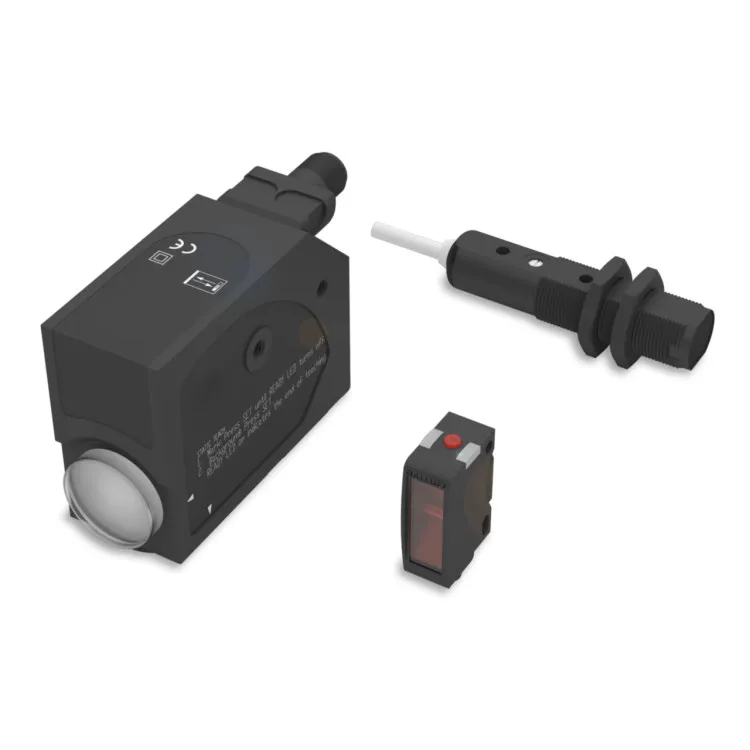
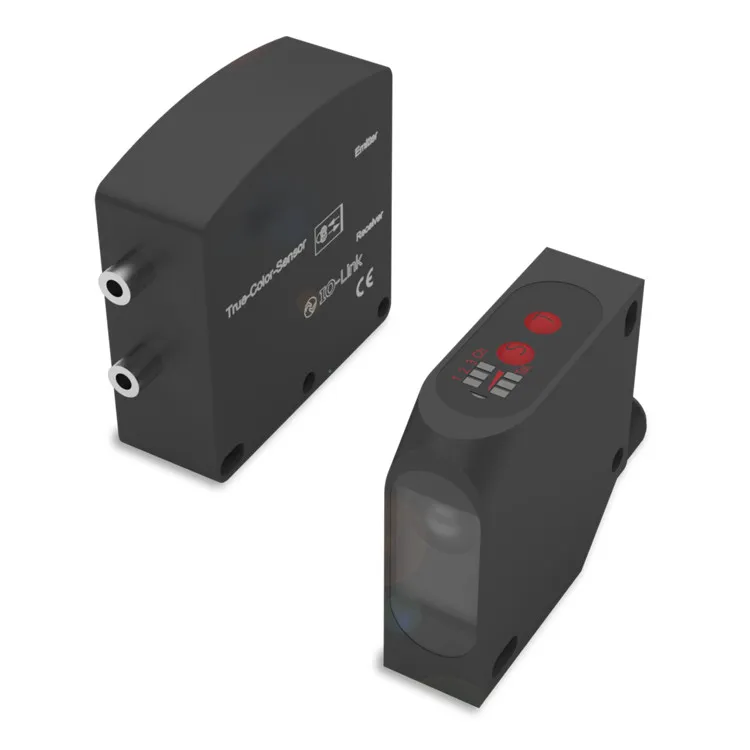
Contact Us for Purchase and Discussion
If you're interested in learning more about our Colour Sensors or want to discuss a potential purchase, don't hesitate to reach out. We're always open to having a chat about how our sensors can fit into your specific application. Whether you're a small business or a large corporation, we're confident that we can provide you with the right solution for your color - detection needs.
References
- "Color Science: Concepts and Methods, Quantitative Data and Formulae" by Gunter Wyszecki and W. S. Stiles.
- "Optoelectronics: An Introduction" by A. G. Davies.