

How does HMI size affect the durability of the device?
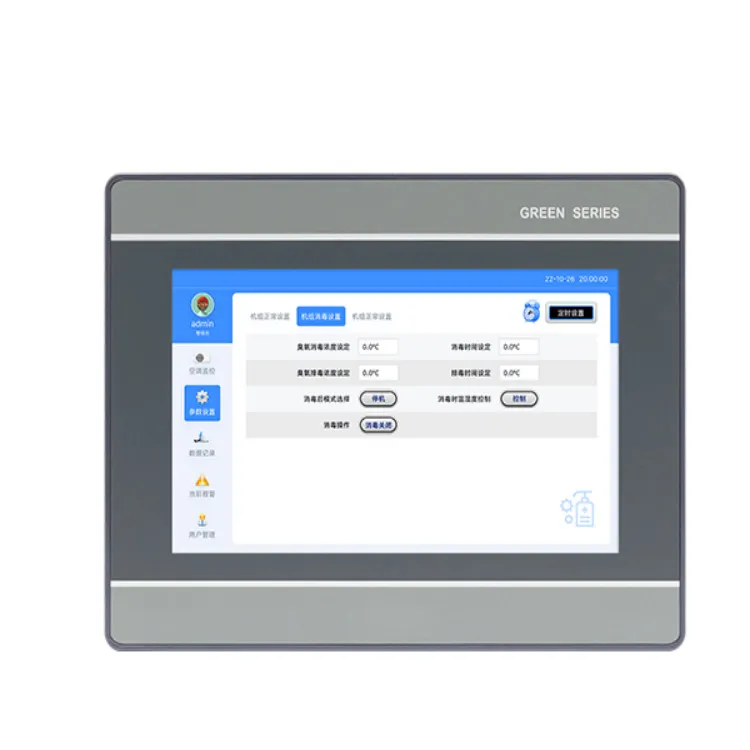
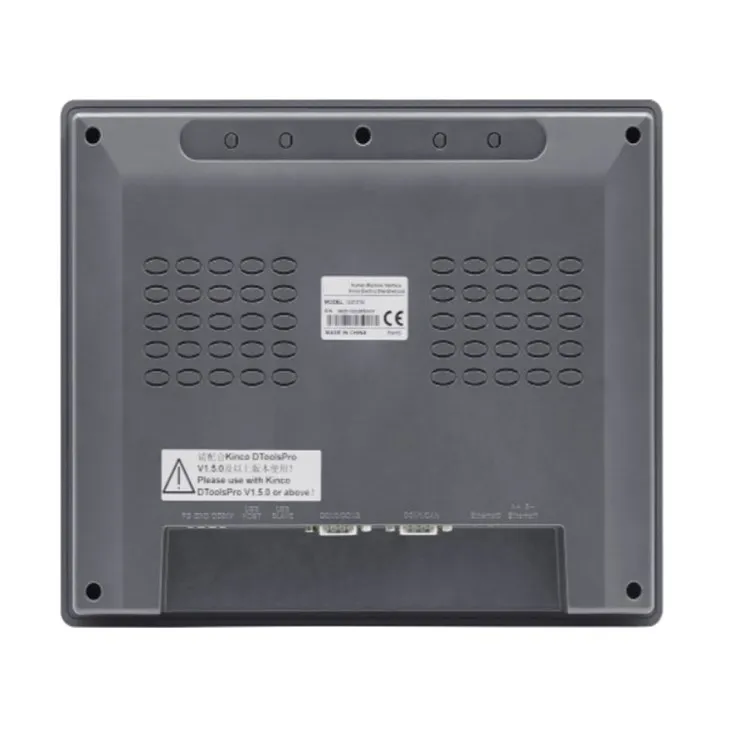
As a supplier specializing in Human - Machine Interface (HMI) devices, I've witnessed firsthand the various factors that influence the durability of these essential components in industrial and commercial settings. One of the most frequently debated aspects is how the size of an HMI impacts its long - term performance and lifespan. In this blog, I'll delve into the scientific and practical aspects of this relationship, providing insights that can help you make informed decisions when selecting an HMI for your specific needs.
Physical Stress and Structural Integrity
The size of an HMI directly affects its physical structure and the stress it endures during normal operation. Larger HMIs, such as the 15.6 Inch HMI, have a larger surface area and more mass. This means that they are more prone to mechanical stress, especially when installed in environments with vibrations or shocks. For example, in a manufacturing plant where heavy machinery is in constant operation, the vibrations can cause the larger HMI to experience more movement and potentially lead to loosening of internal components over time.
On the other hand, smaller HMIs like the 7 Inch HMI have a more compact design. Their reduced size and mass make them less susceptible to the effects of vibrations. They are also generally easier to mount securely, which further enhances their ability to withstand mechanical stress. However, smaller HMIs may have more limited internal space for components, which can lead to issues with heat dissipation, as we'll discuss later.
Heat Dissipation
Heat is one of the biggest enemies of electronic devices, and HMI size plays a crucial role in heat management. Larger HMIs typically have more components and a higher power consumption. This results in more heat generation, which needs to be effectively dissipated to prevent overheating and damage to the internal circuitry.
A 15.6 Inch HMI may require more advanced cooling solutions, such as fans or heat sinks, to maintain a safe operating temperature. If these cooling mechanisms are not properly designed or maintained, the HMI can experience thermal stress, which can lead to reduced component lifespan, intermittent failures, or even complete device failure.
In contrast, smaller HMIs like the 7 Inch HMI generate less heat due to their lower power consumption and fewer components. This makes it easier to manage heat dissipation, and in many cases, passive cooling methods may be sufficient. However, if the internal components are densely packed in a small space, heat can still build up and cause problems.
Display Durability
The display is a critical component of an HMI, and its durability is affected by the size of the device. Larger displays, such as those found on 15.6 Inch HMI units, are more likely to be exposed to physical damage. They have a larger surface area that can be scratched, cracked, or impacted, especially in high - traffic or industrial environments.
Smaller displays, like those on 7 Inch HMI devices, are less vulnerable to physical damage due to their smaller size. They are also generally easier to protect with enclosures or protective films. However, smaller displays may have a higher pixel density, which can put more stress on the individual pixels over time and potentially lead to issues such as pixel burn - in.
Environmental Resistance
The size of an HMI can also affect its ability to withstand environmental factors such as dust, moisture, and chemicals. Larger HMIs may have more seams and openings, which can provide entry points for dust and moisture. This is particularly problematic in industrial environments where dust and humidity levels can be high.
Smaller HMIs, with their more compact design, are often easier to seal and protect from environmental contaminants. They can be more easily integrated into sealed enclosures, which helps to prevent damage from dust, moisture, and chemicals. However, it's important to note that proper sealing and protection are essential for both large and small HMIs to ensure long - term durability.
User Interaction and Wear
The size of an HMI also influences user interaction, which can have an impact on the device's durability. Larger HMIs, such as the 15.6 Inch HMI, provide more space for user input and interaction. This can be beneficial in applications where complex operations need to be performed. However, increased user interaction can also lead to more wear and tear on the touchscreen or other input devices.
Smaller HMIs, like the 7 Inch HMI, may have a more limited area for user input. While this can make them less suitable for complex operations, it can also result in less wear on the input devices. Additionally, the smaller size may make the HMI less likely to be accidentally bumped or mishandled by users.
Finding the Right Balance
When selecting an HMI, it's important to find the right balance between size and durability based on your specific application requirements. For applications that require high - resolution displays, complex user interfaces, and a large amount of information to be presented, a larger HMI like the 15.6 Inch HMI may be necessary. However, you'll need to ensure that proper measures are taken to address the potential durability issues associated with larger sizes, such as mechanical stress, heat dissipation, and display protection.
For applications where space is limited, cost is a concern, or the HMI will be used in a less demanding environment, a smaller HMI like the 7 Inch HMI or 10.1 Inch HMI may be a better choice. These smaller HMIs can offer good durability while still meeting the basic requirements of the application.
Conclusion
In conclusion, the size of an HMI has a significant impact on its durability. Larger HMIs offer more functionality and display space but come with challenges related to physical stress, heat dissipation, display durability, and environmental resistance. Smaller HMIs are more compact and generally more resistant to mechanical stress and physical damage but may have limitations in terms of heat management and pixel lifespan.
As a supplier, I understand the importance of helping our customers choose the right HMI size for their specific needs. We offer a wide range of HMIs in different sizes, including the 7 Inch HMI, 10.1 Inch HMI, and 15.6 Inch HMI, each designed to provide optimal durability and performance.
If you're in the process of selecting an HMI for your project, I encourage you to reach out to us. Our team of experts can provide you with detailed information and guidance to help you make the best decision for your application. Contact us today to start the procurement process and ensure that you get an HMI that meets your durability and performance requirements.
References
- Industry standards and guidelines on HMI design and durability.
- Research papers on the impact of size on electronic device performance and lifespan.
- Case studies of HMI installations in various industrial and commercial environments.