
Hey there! As a supplier of Contrast Sensors, I get a ton of questions about how to choose the right one. It can be a real head - scratcher, especially with so many options out there. But don't worry! I'm here to guide you through the process and make it as easy as pie.
Understanding What a Contrast Sensor Does
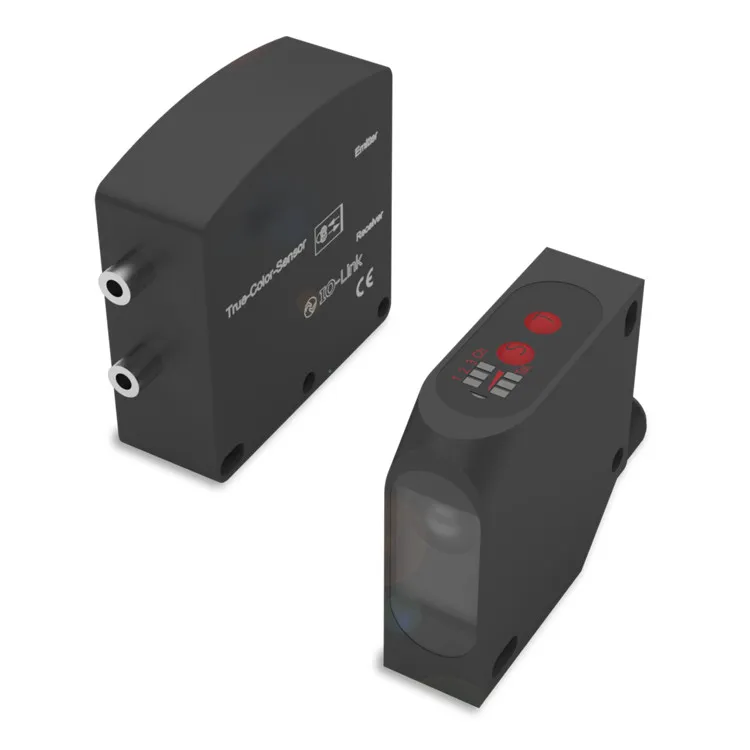
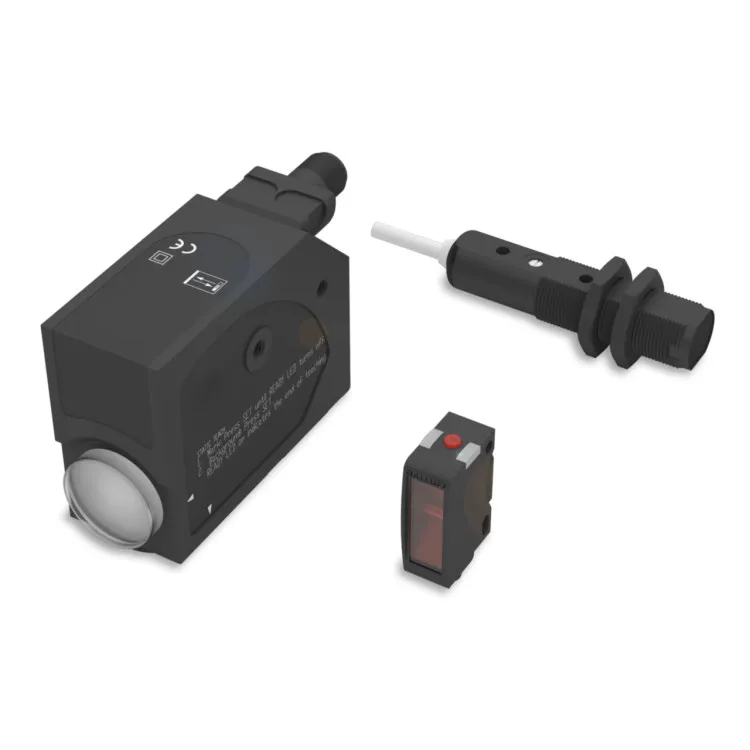
First things first, let's talk about what a Contrast Sensor is. A Contrast Sensor is a type of optoelectronic device that detects differences in color and brightness between a target object and its background. It's super useful in a bunch of industries, like packaging, printing, and food processing. For instance, in packaging, it can spot labels on boxes, making sure they're in the right place. You can check out more about Contrast Sensors Contrast Sensor.
Decide on the Application
The very first step in choosing a Contrast Sensor is to figure out what you'll be using it for. Different applications have different requirements.
Packaging
If you're in the packaging business, you'll likely need a sensor that can quickly and accurately detect labels, markings, or the edges of packaging materials. For example, you might want to ensure that barcodes are correctly placed on products.
Printing
In printing, contrast sensors are used to align colors, detect registration marks, and monitor the quality of printed products. You need a sensor that can handle the high - speed nature of printing presses and be precise in color detection.
Food Processing
Food processing applications often involve the detection of different colored food items or packaging materials. Here, the sensor needs to be hygienic and able to work in environments with varying temperatures and humidity.
Consider the Operating Distance
The operating distance is how far the sensor can be from the target object and still work properly. It's a crucial factor because if the distance is too far, the sensor might not pick up the contrast accurately. On the other hand, if it's too close, it could interfere with the production process.
For applications where the target moves quickly or there are height variations, a sensor with a longer operating distance is better. This gives you some leeway and reduces the chances of the sensor missing the target. However, if space is limited, you'll need a sensor with a shorter operating distance.
Look at the Detection Range
The detection range refers to the difference in contrast that the sensor can detect. Some sensors are super sensitive and can detect even the slightest difference in color or brightness. Others have a broader detection range.
If you're working with very similar colors, like different shades of gray, you'll need a sensor with a narrow and precise detection range. For example, in a textile factory where you're trying to distinguish between similar - colored fabrics, a high - sensitivity sensor is a must. Conversely, if you're dealing with very distinct colors, like black and white labels, a sensor with a broader detection range will do the job just fine.
Think about the Response Time
Response time is how quickly the sensor can detect a change in contrast and send a signal. In high - speed production lines, a fast response time is essential. For example, in a bottling plant where thousands of bottles pass by a sensor every minute, a slow - responding sensor could miss important detections, leading to errors and inefficiencies.
So, if your production process is fast - paced, look for a contrast sensor with a short response time. You don't want to hold up the whole line because of a sluggish sensor!
Evaluate the Environmental Conditions
The environment where the sensor will be used plays a big role in your choice.
Temperature
Some sensors can handle extreme temperatures better than others. If your application is in a hot environment, like a bakery or a foundry, you need a sensor that can withstand high temperatures without losing its accuracy. Similarly, in cold storage facilities, you'll need a sensor designed to work in low - temperature conditions.
Humidity
High humidity can cause condensation on the sensor, which might affect its performance. In places like greenhouses or car wash facilities, you should choose a sensor with good moisture resistance.
Dust and Dirt
In industrial settings, dust and dirt are common. A sensor with a robust housing and protection against dust buildup is a good choice. Sensors with IP ratings (Ingress Protection) can give you an idea of how well they can withstand dust and water.
Choose the Right Output Type
Contrast sensors typically come with different types of outputs, such as analog and digital.
Analog Output
Analog outputs provide a continuous signal that corresponds to the detected contrast. They're useful when you need to measure the degree of contrast precisely. For example, in a color - matching application, an analog output can give you detailed information about how close the detected color is to the target color.
Digital Output
Digital outputs, on the other hand, are binary signals (either on or off). They're great for simple detection tasks, like determining whether a label is present or not. Digital outputs are often easier to work with in control systems.
Other Types of Sensors to Compare
It's also a good idea to compare Contrast Sensors with other similar sensors, like Counter Sensor and Colour Sensor.
Counter Sensors are mainly used to count objects as they pass by. They're great for applications where you need to keep track of the number of products on a conveyor belt. However, they don't focus on contrast.
Colour Sensors, as the name suggests, are designed to identify specific colors. While they can be used in contrast - based applications, they're more about color recognition rather than just detecting contrast differences.
Conclusion and Call to Action
Choosing the right Contrast Sensor might seem like a tough nut to crack, but if you consider all the factors we've talked about - application, operating distance, detection range, response time, environmental conditions, and output type - you'll be well on your way to making the right choice.
If you have any questions or need more information about our Contrast Sensors, don't hesitate to reach out. We're here to help you find the perfect sensor for your needs. Whether you're a small business or a large corporation, we've got the solutions you're looking for. Let's have a chat and see how we can work together to improve your production process.
References
- Optoelectronic Sensor Handbook
- Industrial Automation Technology Guides