

In the dynamic landscape of the textile industry, Variable Frequency Drives (VFDs) play a pivotal role in ensuring the smooth and efficient operation of various textile machinery. As a seasoned Textile VFD supplier, I've witnessed firsthand the challenges that come with the overload situations of these crucial devices. In this blog, I'll share some insights and practical strategies on how to deal with the overload situation of Textile VFDs.
Understanding the Overload Situation in Textile VFDs
Before delving into the solutions, it's essential to understand what causes overload in Textile VFDs. Overload occurs when the VFD is subjected to a load that exceeds its rated capacity. In the textile industry, this can happen due to several reasons. For instance, the machinery might be running at a higher speed than recommended, or there could be mechanical issues such as jams or blockages in the textile equipment. Additionally, improper sizing of the VFD for the specific application can also lead to overload situations.
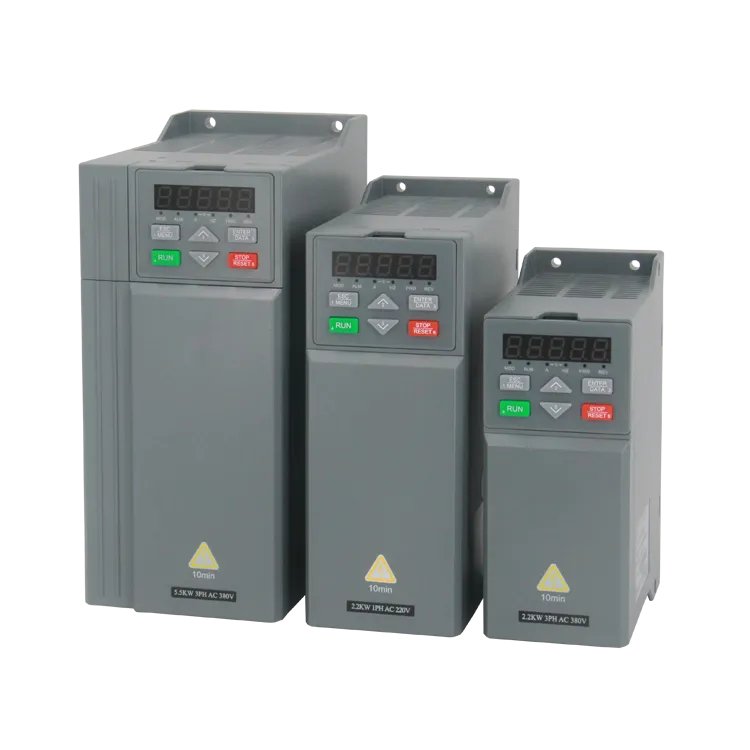
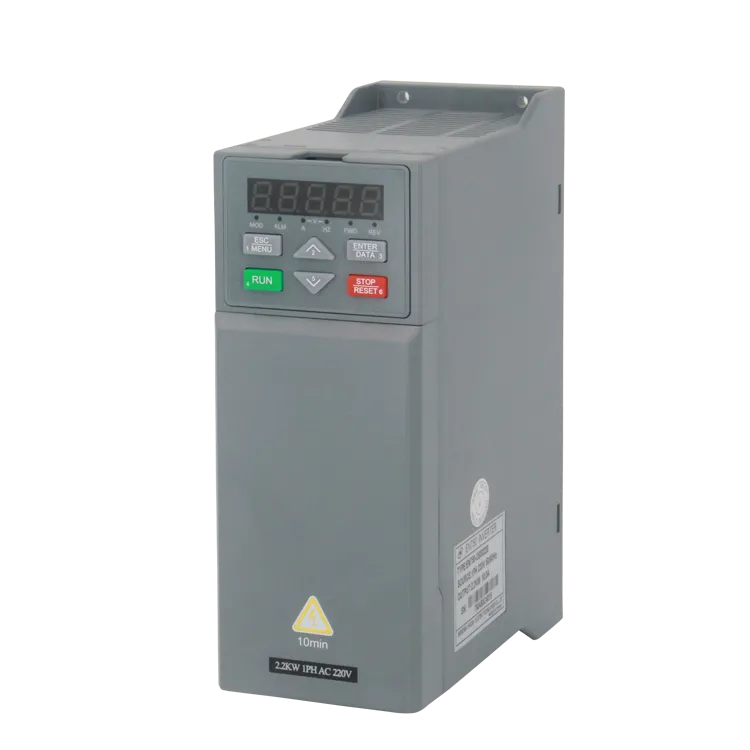
Overload situations are not to be taken lightly. They can cause significant damage to the VFD, leading to costly repairs or even the need for a complete replacement. Moreover, it can disrupt the production process in the textile mill, resulting in downtime and loss of productivity.
Signs of Overload in Textile VFDs
Recognizing the signs of overload early is crucial in preventing further damage. One of the most obvious signs is the tripping of the VFD's overload protection. When the VFD detects an overload, it will automatically shut down to protect itself from damage. This can be indicated by an error code on the VFD's display panel.
Another sign is excessive heat generation. Overload causes the VFD to work harder, which in turn generates more heat. If you notice that the VFD is unusually hot to the touch or if the temperature indicator on the VFD shows a high reading, it could be a sign of overload.
Unusual noises or vibrations from the VFD or the connected textile machinery can also be an indication of an overload situation. These noises could be due to the increased stress on the motor and other components caused by the overload.
Strategies to Deal with Overload in Textile VFDs
1. Check and Adjust the Load
The first step in dealing with an overload situation is to check the load on the VFD. This involves inspecting the textile machinery connected to the VFD to ensure that it is operating within its rated capacity. If the machinery is running at a higher speed or under a heavier load than recommended, it should be adjusted accordingly. For example, if a spinning machine is set to a speed that is too high for the VFD to handle, reducing the speed can relieve the overload.
2. Inspect the Mechanical Components
Mechanical issues in the textile equipment can often cause overload in the VFD. Check for any jams, blockages, or worn-out parts in the machinery. For instance, a clogged yarn feeder or a worn-out belt can increase the load on the motor, leading to overload. By fixing these mechanical problems, you can reduce the load on the VFD and prevent further overload situations.
3. Verify the VFD Sizing
As mentioned earlier, improper sizing of the VFD for the specific application can lead to overload. Make sure that the VFD you are using has the appropriate power rating for the textile machinery it is connected to. If the VFD is undersized, it may not be able to handle the load, resulting in overload. In such cases, upgrading to a larger VFD might be necessary. You can find a variety of suitable VFDs, such as the VFD Vector Inverter, Mini Vector VFD, and Elevator VFD on our website, which offer different power ratings and features to meet various textile industry needs.
4. Improve the Cooling System
Overload generates heat, and excessive heat can further damage the VFD. Ensuring that the VFD's cooling system is working properly is essential. Clean the cooling fans and heat sinks regularly to remove any dust or debris that may block the airflow. If necessary, consider upgrading the cooling system to a more efficient one. This can help dissipate the heat generated during overload situations and prevent the VFD from overheating.
5. Optimize the Control Settings
The control settings of the VFD can also affect its performance under load. Review and optimize the settings such as acceleration and deceleration times, torque limits, and current limits. For example, increasing the acceleration time can reduce the initial load on the VFD when starting the machinery, while setting appropriate torque and current limits can prevent the VFD from being overloaded during operation.
Preventive Measures to Avoid Overload in Textile VFDs
1. Regular Maintenance
Regular maintenance is key to preventing overload situations in Textile VFDs. This includes routine inspections, cleaning, and lubrication of the VFD and the connected textile machinery. By identifying and addressing potential issues early, you can prevent them from escalating into overload problems.
2. Training for Operators
Proper training for the operators of the textile machinery is essential. They should be educated on the correct operation of the machinery and the VFD, including how to set the appropriate speed and load. This can help prevent operators from accidentally overloading the VFD.
3. Monitoring and Data Analysis
Implement a monitoring system to track the performance of the VFD and the textile machinery. Analyzing the data collected from the monitoring system can help you identify trends and potential issues before they cause an overload. For example, if you notice a gradual increase in the current draw of the VFD over time, it could be a sign of an impending overload.
Conclusion
Dealing with the overload situation of Textile VFDs requires a combination of proactive measures and quick response when an overload occurs. By understanding the causes and signs of overload, implementing the strategies mentioned above, and taking preventive measures, you can ensure the reliable and efficient operation of your Textile VFDs.
If you are facing challenges with Textile VFD overload or are looking for high - quality VFDs for your textile mill, I encourage you to reach out to us. We have a wide range of VFD products and the expertise to help you select the right one for your specific needs and address any overload issues you may encounter. Contact us today to start a discussion about your requirements and explore how we can assist you in optimizing your textile production process.
References
- "Variable Frequency Drives: Principles, Operation, and Application in Industrial Drives" by Bimal K. Bose
- "Textile Machinery Handbook" by various authors in the textile engineering field
- Industry whitepapers on Textile VFD operation and maintenance from leading VFD manufacturers