
As a supplier of DC servo drivers, I often receive inquiries from customers about the advantages of these products. However, it's equally important to discuss the disadvantages, as this can help our clients make more informed decisions when selecting the right servo driver for their applications. In this blog post, I'll explore some of the key drawbacks associated with DC servo drivers.
1. Cost Considerations
One of the most significant disadvantages of DC servo drivers is their relatively high cost. Compared to other types of motor drivers, such as stepper motor drivers, DC servo drivers are generally more expensive. This is due to several factors, including the complexity of their design, the use of high - quality components, and the advanced control algorithms they employ.
The cost of a DC servo driver includes not only the price of the driver itself but also the cost of the associated feedback devices, such as encoders. Encoders are essential for the proper operation of a DC servo system, as they provide the driver with information about the motor's position, speed, and direction. High - precision encoders can be quite costly, adding to the overall expense of the system.
For small - scale projects or applications with tight budgets, the high cost of DC servo drivers can be a major deterrent. In such cases, alternative motor control solutions may be more suitable. For example, stepper motor drivers are often a more cost - effective option for applications that do not require high levels of precision or dynamic performance.
2. Maintenance Requirements
DC servo drivers require regular maintenance to ensure their reliable operation. The brushes and commutators in DC motors, which are commonly used in conjunction with DC servo drivers, are subject to wear and tear over time. As the brushes wear down, they can cause problems such as reduced motor efficiency, increased electrical noise, and even motor failure.
Replacing the brushes and commutators can be a time - consuming and costly process, especially for larger motors. In addition, the maintenance of DC servo drivers often requires specialized knowledge and tools. This means that users may need to rely on trained technicians to perform maintenance tasks, which can add to the overall cost of ownership.
In contrast, some other types of motors, such as brushless DC motors, have fewer maintenance requirements. Brushless DC motors do not have brushes and commutators, which eliminates the need for regular brush replacement. This makes them a more attractive option for applications where maintenance is difficult or expensive.
3. Heat Generation
DC servo drivers can generate a significant amount of heat during operation. This is due to the power losses that occur within the driver, which are primarily caused by the resistance of the electrical components and the switching losses in the power electronics.
Excessive heat can have several negative effects on the performance and reliability of a DC servo driver. High temperatures can cause the electrical components to degrade more quickly, reducing their lifespan. In addition, heat can also affect the accuracy of the control algorithms, leading to reduced performance and increased error rates.
To dissipate the heat generated by the DC servo driver, cooling systems such as heat sinks and fans are often required. These cooling systems add to the cost and complexity of the overall system. Moreover, they also consume additional power, which can reduce the energy efficiency of the system.
4. Limited Speed Range
Although DC servo drivers can provide high levels of precision and torque at low to medium speeds, they may have limitations in terms of their speed range. At very high speeds, the performance of DC motors can degrade due to factors such as increased electrical losses, mechanical stress, and commutation problems.
The speed range of a DC servo driver is also limited by the power supply voltage. As the speed of the motor increases, the back - EMF (electromotive force) generated by the motor also increases. If the power supply voltage is not sufficient to overcome the back - EMF, the motor will not be able to reach its maximum speed.
For applications that require high - speed operation, such as some industrial automation processes and robotics, DC servo drivers may not be the best choice. In these cases, alternative motor technologies, such as AC servo motors, may offer a wider speed range and better high - speed performance.
5. Susceptibility to Electrical Noise
DC servo drivers are more susceptible to electrical noise compared to some other types of motor drivers. The switching action of the power electronics in DC servo drivers can generate high - frequency electrical noise, which can interfere with other electronic devices in the vicinity.
Electrical noise can cause a variety of problems, including data errors, malfunctions in control systems, and reduced signal quality. To mitigate the effects of electrical noise, additional filtering and shielding components are often required. These components add to the cost and complexity of the DC servo driver system.
In addition, the feedback signals from the encoders in DC servo systems can also be affected by electrical noise. Noise on the encoder signals can lead to inaccurate position and speed measurements, which can degrade the performance of the servo system.
6. Compatibility Issues
DC servo drivers may have compatibility issues with some types of motors and control systems. For example, different DC motors have different electrical characteristics, such as resistance, inductance, and back - EMF constant. A DC servo driver that is designed for one type of motor may not be compatible with another type of motor.
In addition, the communication protocols used by DC servo drivers may not be compatible with all control systems. This can make it difficult to integrate DC servo drivers into existing automation systems or to use them with different types of controllers.
When selecting a DC servo driver, it's important to ensure that it is compatible with the motor and control system that will be used. This may require careful consideration of the electrical and communication requirements of the application.
Conclusion
While DC servo drivers offer many advantages, such as high precision, dynamic performance, and torque control, they also have several disadvantages. These include high cost, maintenance requirements, heat generation, limited speed range, susceptibility to electrical noise, and compatibility issues.
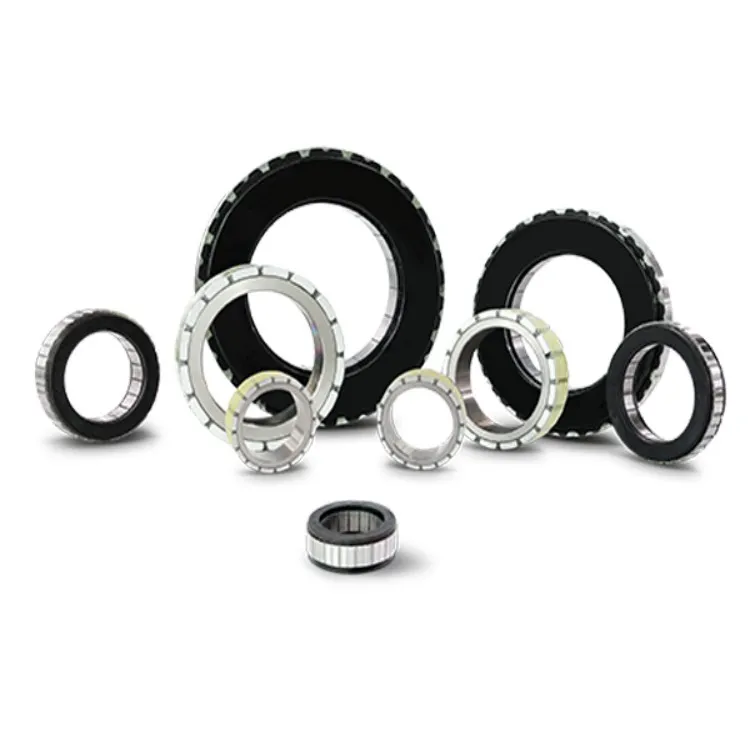
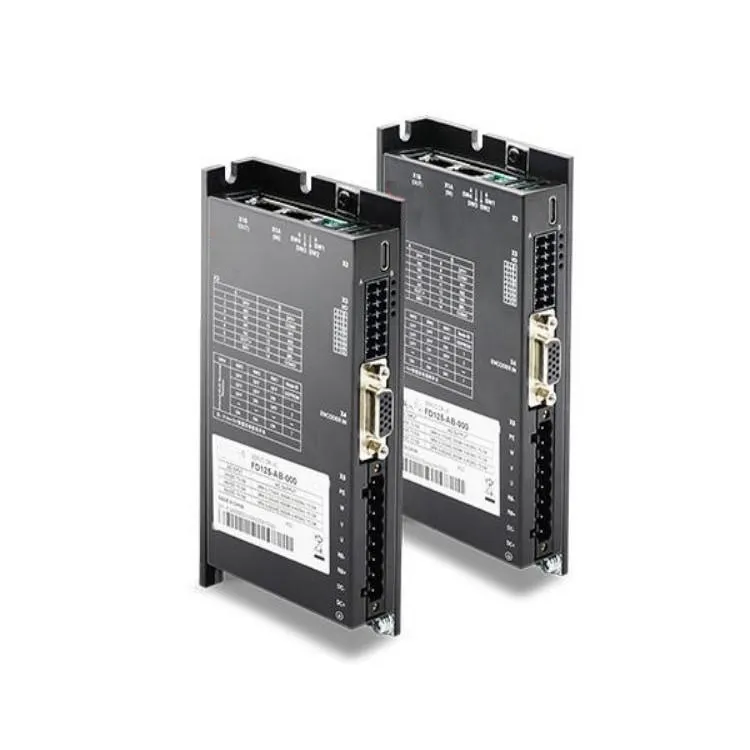
As a supplier of DC servo drivers, we understand the importance of providing our customers with accurate information about the pros and cons of our products. We offer a range of Mini DC Servo Driver, Integrated Servo Wheel, and Frameless Torque Motor to meet different application needs.
If you are considering using a DC servo driver for your project, we encourage you to carefully evaluate your requirements and consider the potential disadvantages. Our team of experts is available to help you select the right servo driver for your application and to provide you with support throughout the process. Whether you need advice on installation, maintenance, or troubleshooting, we are here to assist you.
If you have any questions or would like to discuss your specific requirements, please feel free to contact us. We look forward to the opportunity to work with you and help you find the best motor control solution for your needs.
References
- Dorf, R. C., & Bishop, R. H. (2016). Modern Control Systems. Pearson.
- Krause, P. C., Wasynczuk, O., & Sudhoff, S. D. (2013). Analysis of Electric Machinery and Drive Systems. Wiley.