
As a textile VFD (Variable Frequency Drive) supplier, I've seen firsthand how crucial it is to ensure the long - term stability of these drives in the textile industry. A stable VFD means less downtime, better product quality, and overall cost savings for textile manufacturers. So, let's dig into some key ways to keep those textile VFDs running smoothly for years to come.
1. Proper Installation
The first step in ensuring long - term stability is getting the installation right. You can't just throw a VFD into a machine and expect it to work perfectly forever. First of all, make sure the installation environment is clean and dry. Textile factories can be pretty dusty, and dust can clog up the VFD's internal components, leading to overheating and malfunctions.
Also, pay attention to the ventilation. The VFD generates heat during operation, and if it can't dissipate that heat properly, it'll cause problems. You should install the VFD in a place where there's good air circulation. Some VFDs come with built - in fans, but an external exhaust system can also be a great addition.
And don't forget about the electrical connections. Loose or incorrect wiring can lead to electrical arcing, which can damage the VFD and even pose a safety hazard. Double - check all the connections and make sure they're tight and properly insulated.
2. Regular Maintenance
Just like a car, a textile VFD needs regular maintenance to stay in top shape. One of the most important maintenance tasks is cleaning. As I mentioned earlier, textile factories are dusty places, so you need to clean the VFD regularly to prevent dust buildup. You can use a soft brush or compressed air to gently remove the dust from the VFD's surface and internal components.
Another crucial part of maintenance is checking the cooling system. Make sure the fans are working properly and that there are no blockages in the ventilation ducts. If the cooling system fails, the VFD will overheat, and that can lead to a breakdown.
You should also test the VFD's control settings regularly. Over time, the settings might get off - kilter due to various factors like electrical interference or component wear. By checking and adjusting the settings, you can ensure that the VFD is operating at its optimal performance.
3. Quality Components
When it comes to VFDs, the quality of the components matters a lot. As a supplier, I always stress the importance of using high - quality parts in our products. Cheaper components might save you some money upfront, but they're more likely to fail in the long run.
For example, the capacitors in a VFD are a critical component. Low - quality capacitors can dry out or bulge over time, which can cause the VFD to malfunction. By using high - quality capacitors, you can extend the lifespan of the VFD.
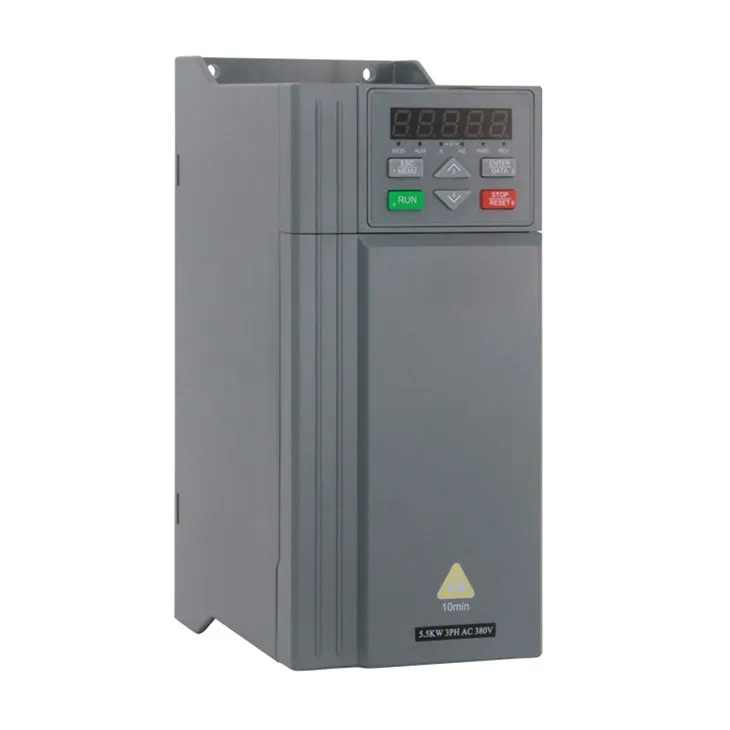
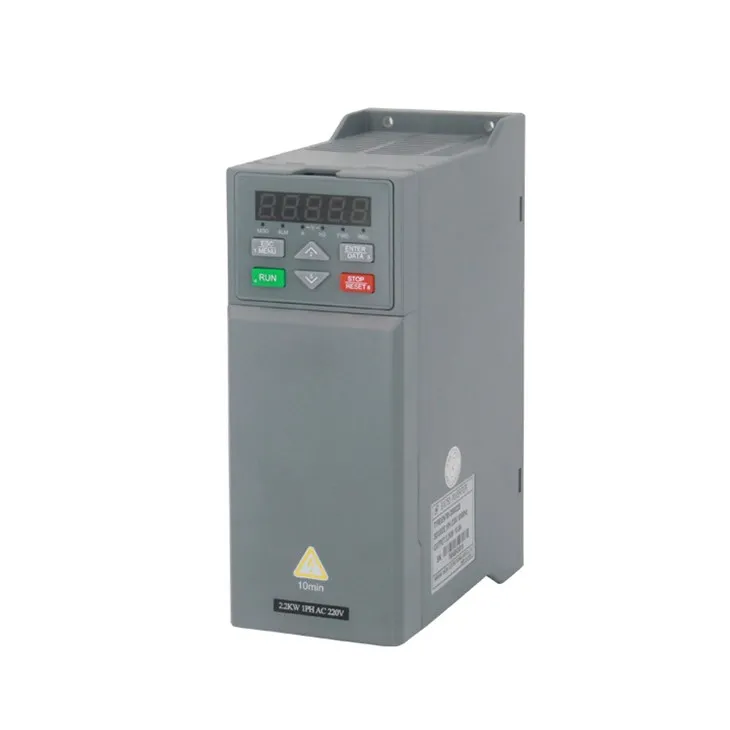
Also, look for VFDs with robust power modules. The power module is responsible for converting the input power into the appropriate output power for the motor. A high - quality power module can handle fluctuations in the power supply better and is less likely to fail.
There are some great options in the market, like the High Performance Vector VFD. It offers excellent performance and reliability, making it a great choice for textile applications.
4. Software Updates
In today's digital age, software plays a big role in the operation of VFDs. Software updates can improve the VFD's performance, add new features, and fix bugs. As a supplier, we regularly release software updates for our VFDs to keep them up - to - date.
Make sure you have a system in place to check for and install these updates. However, be careful when installing updates. You should always back up the existing settings before applying an update, just in case something goes wrong.
5. Training for Operators
Another important factor in ensuring the long - term stability of textile VFDs is proper operator training. Operators need to know how to use the VFD correctly, how to recognize signs of a problem, and how to perform basic maintenance tasks.
We provide training programs for our customers to help their operators get up to speed on our VFDs. This includes both theoretical and practical training. We show them how to operate the VFD's control panel, how to set the parameters, and how to troubleshoot common issues.
By having well - trained operators, you can reduce the risk of damage to the VFD caused by improper use.
6. Monitoring and Predictive Maintenance
With the advancement of technology, it's now possible to monitor the performance of VFDs in real - time. By installing sensors on the VFD, you can collect data on things like temperature, current, and voltage. This data can be analyzed to detect early signs of potential problems.
For example, if the temperature of the VFD starts to rise steadily, it could be a sign of a problem with the cooling system or an overloaded motor. By detecting these issues early, you can take preventive measures before a breakdown occurs.
Predictive maintenance based on this real - time monitoring can save a lot of money in the long run. Instead of waiting for a problem to happen and then fixing it, you can proactively address issues and keep the VFD running smoothly.
7. Protection Against Electrical Surges
Textile factories can have a lot of electrical equipment, and power surges are a common problem. A power surge can cause significant damage to a VFD. To protect against this, you should install surge protectors.
Surge protectors are devices that divert excess voltage away from the VFD during a power surge. There are different types of surge protectors available, and you should choose one that's suitable for the electrical environment of your textile factory.
Some VFDs also have built - in surge protection features, but an external surge protector can provide an extra layer of safety.
8. Compatibility with Textile Machinery
Not all VFDs are created equal, and they need to be compatible with the specific textile machinery they're used with. For example, different types of textile machines have different motor requirements, such as torque, speed, and power.
You need to choose a VFD that can meet the requirements of your textile machinery. If the VFD is not compatible, it can lead to inefficient operation, increased wear and tear on the motor, and even premature failure of the VFD.
There are specialized VFDs for different textile applications. For example, the Elevator VFD is designed to meet the specific needs of elevator systems, and there are also VFDs tailored for other types of textile machinery.
9. Consider Intelligent VFDs
Intelligent VFDs are becoming more popular in the textile industry. These VFDs come with advanced features like self - diagnosis, energy management, and communication capabilities.
For example, an intelligent VFD can automatically detect faults and send alerts to the maintenance team. This allows for quick response and reduces downtime. It can also optimize energy consumption by adjusting the motor's speed based on the load requirements.
The Intelligent VFD is a great example of such a product. It offers a range of intelligent features that can improve the performance and stability of your textile machinery.
Conclusion
Ensuring the long - term stability of textile VFDs is a multi - faceted task. It involves proper installation, regular maintenance, using high - quality components, keeping the software up - to - date, training operators, monitoring, protecting against electrical surges, ensuring compatibility with machinery, and considering intelligent VFDs.
As a textile VFD supplier, we're committed to providing high - quality products and support to our customers. If you're in the market for a textile VFD or need assistance with ensuring the stability of your existing VFDs, feel free to reach out to us for a detailed discussion. We can help you find the best solutions for your specific needs.
References
- Electrical Engineering Textbooks on Variable Frequency Drives
- Industry Reports on Textile Machinery and VFDs
- Manufacturer's Manuals for Textile VFDs