
In the food and beverage industries, maintaining high - level hygiene standards is not only a regulatory requirement but also a crucial factor for ensuring product safety and consumer health. As a Siemens HMI (Human - Machine Interface) supplier, I understand the significance of using appropriate technology to meet these stringent hygiene standards. In this blog, I will explore how Siemens HMI solutions can play a vital role in achieving and maintaining hygiene in the food and beverage sectors.
The Hygiene Challenges in Food and Beverage Industries
The food and beverage industries face numerous hygiene challenges. Contamination can occur at every stage of the production process, from raw material handling to the final packaging. Microorganisms such as bacteria, viruses, and fungi can thrive in moist, warm environments, and any surface in contact with food or beverages can become a potential breeding ground.
Moreover, the cleaning and sanitization processes in these industries are complex. Equipment needs to be cleaned regularly to prevent the accumulation of food residues, which can attract pests and cause spoilage. Harsh cleaning agents and high - pressure washdowns are often used, which can damage sensitive equipment if it is not designed to withstand such conditions.
Features of Siemens HMI for Hygiene Compliance
Robust and Hygienic Design
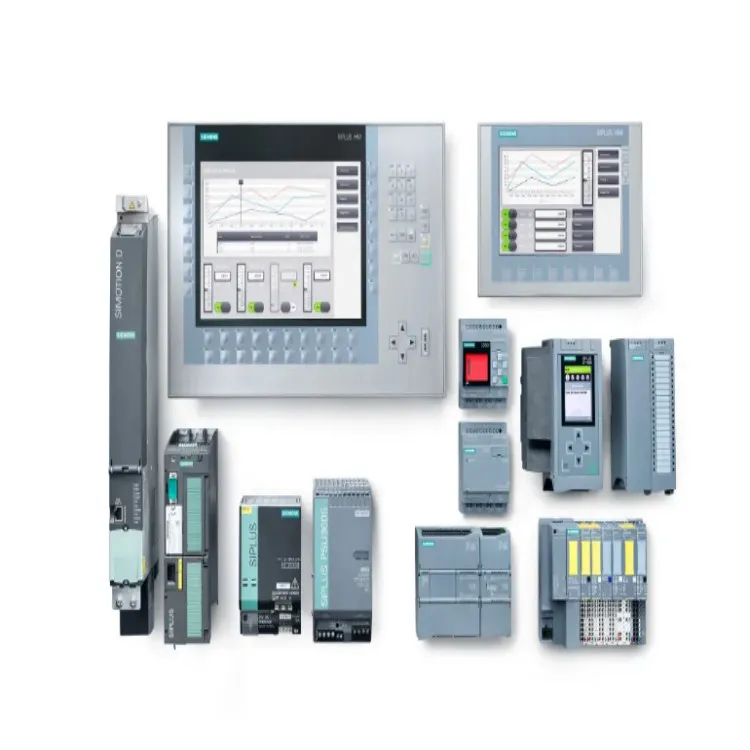
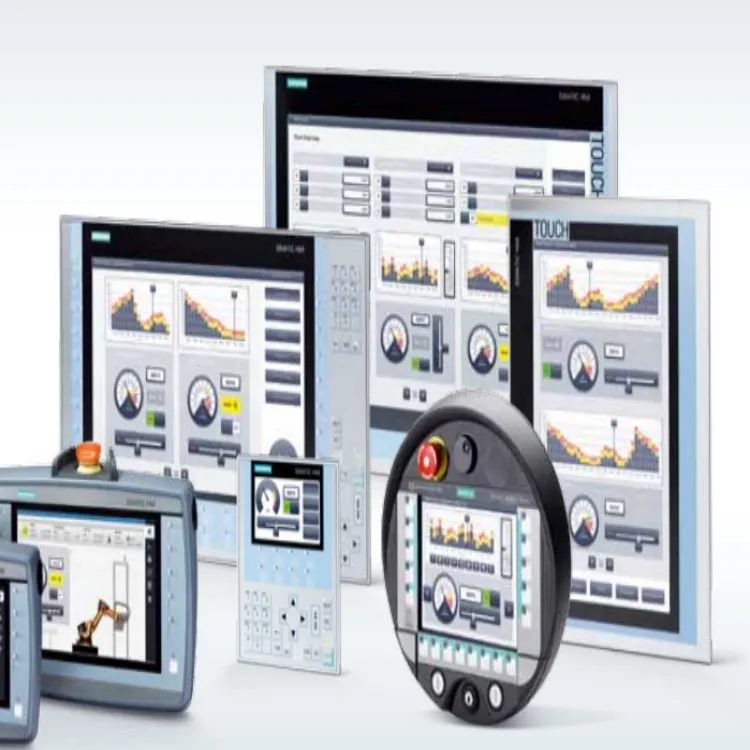
Siemens HMI devices, like the Siemens SIMATIC HMI, are engineered with a focus on durability and hygiene. They are constructed using materials that are resistant to corrosion, chemicals, and moisture. For example, the enclosures are made of high - quality plastics or stainless steel, which can withstand the harsh cleaning agents used in the food and beverage industries.
The smooth surfaces of Siemens HMI units minimize the areas where dirt and bacteria can accumulate. There are no sharp edges or crevices where food particles can get trapped, making them easier to clean. This design also reduces the risk of cross - contamination between different batches of products.
IP Rating for Protection
Siemens HMIs come with high Ingress Protection (IP) ratings. The IP rating indicates the degree of protection against the intrusion of solid objects and liquids. In the food and beverage industries, where washdowns are common, HMIs need to have a high IP rating, such as IP65 or IP69K.
An IP65 - rated HMI is dust - tight and protected against low - pressure water jets from any direction. An IP69K - rated HMI, on the other hand, can withstand high - pressure, high - temperature washdowns, making it suitable for use in areas where strict hygiene standards are required, such as in processing areas and cleanrooms.
Easy - to - Clean Interfaces
The touchscreens of Siemens HMIs are designed for easy cleaning. They are made of materials that can be wiped clean with common cleaning agents without being damaged. The touch functionality remains accurate even after repeated cleaning, ensuring reliable operation.
In addition, Siemens offers HMIs with antimicrobial coatings. These coatings help to inhibit the growth of bacteria and other microorganisms on the surface of the HMI, further enhancing hygiene levels.
Monitoring and Control for Hygiene Management
Real - Time Monitoring
Siemens HMI systems can be integrated with sensors and other monitoring devices in the food and beverage production line. This allows for real - time monitoring of critical parameters such as temperature, humidity, and pressure. For example, in a dairy processing plant, the HMI can display the temperature of the milk during pasteurization. If the temperature deviates from the set range, an alarm can be triggered, alerting the operators to take corrective action.
Real - time monitoring also helps in detecting any signs of equipment malfunction or contamination. For instance, if a sensor detects an abnormal increase in the level of a particular microorganism in a production area, the HMI can display this information immediately, enabling quick response to prevent further contamination.
Process Control and Automation
Siemens HMI solutions provide advanced process control capabilities. They can be programmed to automate various processes in the food and beverage production line, such as cleaning cycles. By automating the cleaning process, the frequency and duration of cleaning can be precisely controlled, ensuring that all equipment is cleaned thoroughly and consistently.
The HMI can also be used to manage the flow of products through the production line, reducing the risk of cross - contamination. For example, it can control the movement of conveyor belts to ensure that raw materials and finished products are kept separate.
Data Management for Hygiene Traceability
Data Logging
Siemens HMIs have the ability to log data related to the production process, including temperature, pressure, cleaning times, and product batch numbers. This data can be stored for long - term analysis and traceability purposes. In the event of a food safety issue, the data logged by the HMI can be used to identify the source of the problem, such as a particular production batch or a specific piece of equipment.
Reporting and Compliance
The data collected by the HMI can be used to generate reports for regulatory compliance. These reports can include information on cleaning and sanitization schedules, equipment performance, and product quality. By providing accurate and detailed reports, Siemens HMI solutions help food and beverage companies meet the requirements of various regulatory bodies, such as the FDA (Food and Drug Administration) in the United States and the EU's food safety regulations.
Training and Support for Hygiene - Related Operations
As a Siemens HMI supplier, we offer comprehensive training and support to our customers in the food and beverage industries. Our training programs cover the proper use, cleaning, and maintenance of Siemens HMI devices. We also provide technical support to help customers troubleshoot any issues that may arise.
Proper training is essential for ensuring that the HMI is used correctly to maintain hygiene standards. Operators need to understand how to clean the HMI safely and effectively, as well as how to interpret the data displayed on the screen for hygiene management purposes.
Conclusion
Siemens HMI solutions offer a range of features and capabilities that make them well - suited for use in the food and beverage industries to meet hygiene standards. From their robust and hygienic design to their advanced monitoring, control, and data management functions, Siemens HMIs can help food and beverage companies ensure product safety, comply with regulations, and maintain high - quality production processes.
If you are in the food and beverage industry and are looking for reliable HMI solutions to meet your hygiene requirements, we are here to help. Our team of experts can provide you with detailed information about our Siemens HMI products and how they can be customized to fit your specific needs. Contact us to start a procurement discussion and take the first step towards improving your hygiene management with Siemens HMI technology.
References
- Siemens AG. (2023). Product documentation for Siemens SIMATIC HMI series.
- Food and Drug Administration (FDA). (2023). Food safety regulations and guidelines.
- European Union. (2023). EU food safety directives and standards.