
Selecting a brushed DC servo motor can be a daunting task, especially if you're not familiar with the ins and outs of these motors. But don't worry! As a supplier of DC servo motors, I've got you covered. In this blog post, I'll walk you through the key factors you need to consider when choosing a brushed DC servo motor, so you can make an informed decision that meets your specific needs.
Understanding Brushed DC Servo Motors
Before we dive into the selection process, let's quickly go over what brushed DC servo motors are. These motors are a type of DC motor that uses brushes and a commutator to transfer electrical power to the rotating armature. The brushes make physical contact with the commutator, which switches the direction of the current in the armature windings, creating a rotating magnetic field that drives the motor.
One of the main advantages of brushed DC servo motors is their simplicity and relatively low cost. They're also easy to control, making them a popular choice for a wide range of applications, including robotics, automation, and CNC machines.
Key Factors to Consider
Now that you have a basic understanding of brushed DC servo motors, let's take a look at the key factors you need to consider when selecting one.
1. Torque Requirements
The first thing you need to consider is the torque requirements of your application. Torque is the rotational force that the motor needs to generate to perform its task. It's important to choose a motor that can provide enough torque to meet the demands of your application.
To determine the torque requirements, you need to consider the load that the motor will be driving, as well as the speed at which it needs to operate. You can calculate the required torque using the following formula:
Torque (T) = Force (F) x Distance (r)
Where force is the load that the motor needs to move, and distance is the radius of the load from the axis of rotation.
Once you have calculated the required torque, you can choose a motor that can provide at least that amount of torque. It's also a good idea to choose a motor with a slightly higher torque rating to account for any unexpected loads or variations in the operating conditions.
2. Speed Requirements
In addition to torque, you also need to consider the speed requirements of your application. The speed of a brushed DC servo motor is determined by the voltage applied to the motor and the load that it is driving.
To determine the required speed, you need to consider the application's operating requirements, such as the desired cycle time or the speed at which the load needs to be moved. You can then choose a motor that can operate at the required speed.
It's important to note that the speed of a brushed DC servo motor can be controlled using a servo controller. The servo controller adjusts the voltage applied to the motor to maintain a constant speed, even when the load changes.
3. Power Requirements
Another important factor to consider is the power requirements of your application. The power of a brushed DC servo motor is determined by the voltage and current that it draws.
To determine the power requirements, you need to consider the torque and speed requirements of your application, as well as the efficiency of the motor. You can calculate the power requirements using the following formula:
Power (P) = Torque (T) x Speed (ω)
Where torque is the required torque, and speed is the required speed in radians per second.
Once you have calculated the power requirements, you can choose a motor that can provide at least that amount of power. It's also a good idea to choose a motor with a slightly higher power rating to account for any unexpected loads or variations in the operating conditions.
4. Size and Mounting
The size and mounting of the motor are also important factors to consider. You need to choose a motor that can fit into the available space in your application and that can be easily mounted.
When considering the size of the motor, you need to consider the length, diameter, and weight of the motor. You also need to consider the size of the motor's shaft and the type of mounting that is required.
There are several different types of mounting options available for brushed DC servo motors, including flange mounting, foot mounting, and face mounting. You need to choose the mounting option that is most suitable for your application.
5. Efficiency
Efficiency is another important factor to consider when selecting a brushed DC servo motor. The efficiency of a motor is the ratio of the output power to the input power. A more efficient motor will consume less power and generate less heat, which can help to reduce operating costs and extend the life of the motor.
To determine the efficiency of a motor, you can look at the motor's datasheet or specifications. The datasheet will typically provide the motor's efficiency at different operating points, such as different speeds and loads.
6. Cost
Finally, you need to consider the cost of the motor. The cost of a brushed DC servo motor can vary depending on the size, power, and features of the motor.
When considering the cost, you need to balance the cost of the motor with the performance and reliability that it offers. It's important to choose a motor that meets your requirements and that provides good value for money.
Additional Considerations
In addition to the key factors discussed above, there are several other considerations that you may need to take into account when selecting a brushed DC servo motor.
1. Environmental Conditions
You need to consider the environmental conditions in which the motor will be operating. For example, if the motor will be operating in a dusty or humid environment, you may need to choose a motor that is designed to withstand these conditions.
2. Noise and Vibration
Brushed DC servo motors can generate noise and vibration during operation. If noise and vibration are a concern in your application, you may need to choose a motor that is designed to minimize these effects.
3. Control Requirements
You also need to consider the control requirements of your application. If you need precise control over the speed and position of the motor, you may need to choose a motor that is compatible with a servo controller.
Related Products
As a DC servo motor supplier, we offer a wide range of products that can meet your specific needs. Here are some of our related products that you may be interested in:
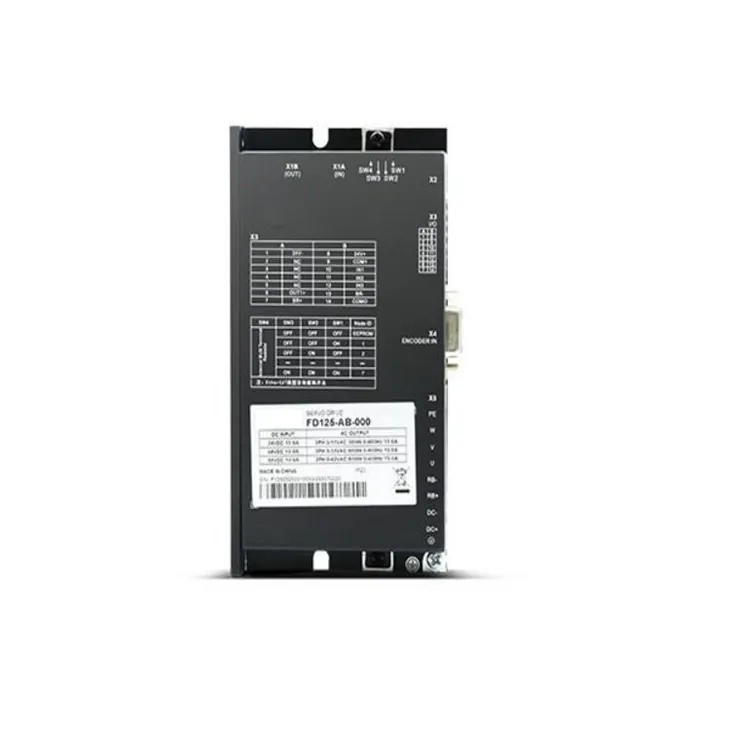
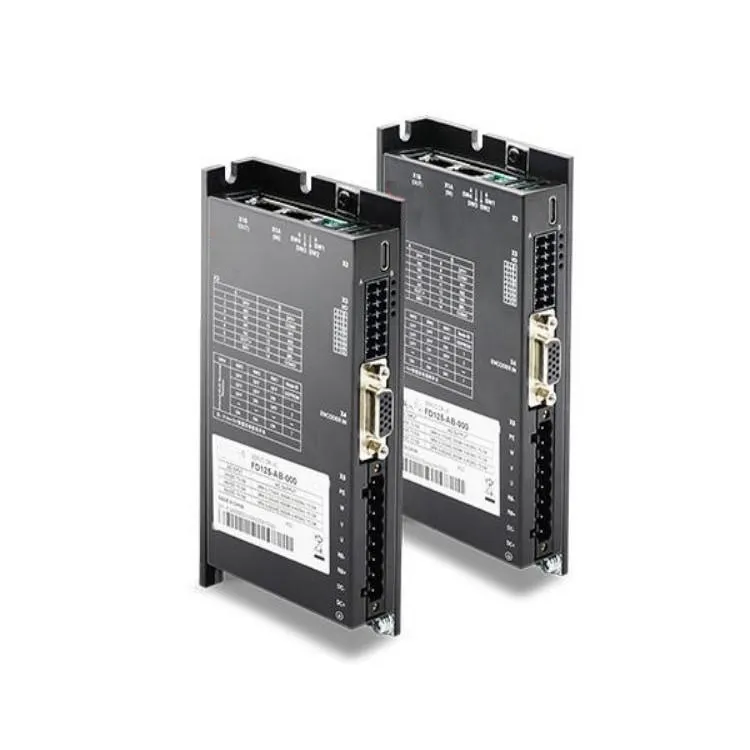
- Mini DC Servo Driver: Our Mini DC Servo Driver is a compact and powerful driver that can be used to control brushed DC servo motors. It offers high performance and reliability, making it a great choice for a wide range of applications.
- DC Servo Driver: Our DC Servo Driver is a versatile driver that can be used to control brushed DC servo motors. It offers a wide range of features and options, making it a great choice for more complex applications.
- Frameless Torque Motor: Our Frameless Torque Motor is a high-performance motor that can provide high torque and low speed. It's a great choice for applications that require precise control and high torque density.
Conclusion
Selecting a brushed DC servo motor can be a complex process, but by considering the key factors discussed in this blog post, you can make an informed decision that meets your specific needs. Remember to consider the torque, speed, power, size, mounting, efficiency, and cost requirements of your application, as well as any additional considerations such as environmental conditions, noise and vibration, and control requirements.
If you have any questions or need further assistance with selecting a brushed DC servo motor, please don't hesitate to contact us. We're here to help you find the right motor for your application and to provide you with the support and service that you need.
References
- "Brushed DC Motors: Principles, Characteristics, and Applications" by N. Mohan, T. M. Undeland, and W. P. Robbins
- "Servo Motors and Industrial Control Theory" by Richard P. Cunico