

Hey there! I'm a supplier of stepper systems, and I know firsthand that dealing with stepper system issues can be a real headache. But don't worry, I'm here to walk you through how to troubleshoot a stepper system step by step.
Understanding the Basics of a Stepper System
Before we dive into troubleshooting, let's quickly go over what a stepper system is. A stepper system typically consists of a stepper motor and a stepper driver. The stepper motor is responsible for converting electrical pulses into discrete mechanical movements, while the driver provides the necessary electrical signals to control the motor.
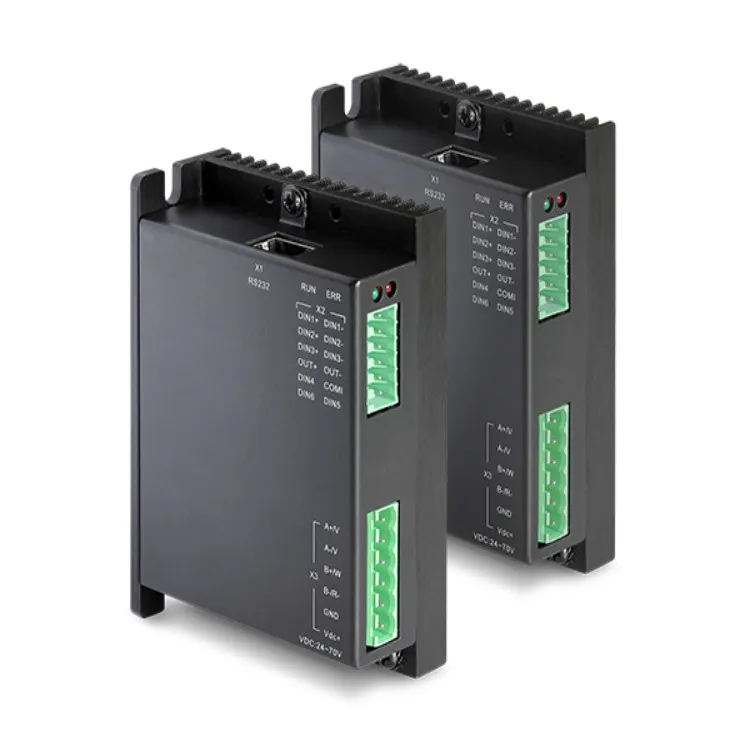
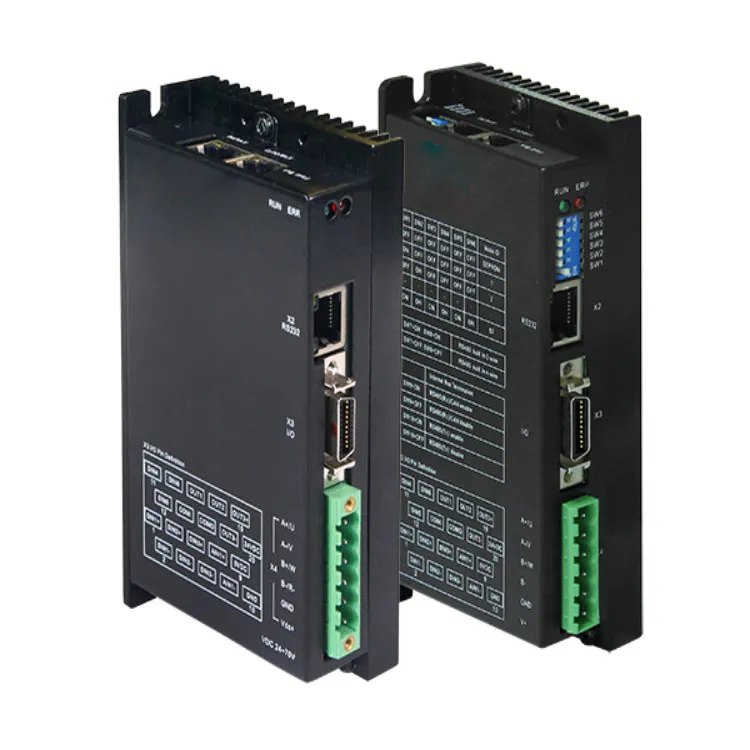
There are different types of stepper motors, like the 2 Phase Stepper Motor and the 3 Phase Stepper Motor. And we also have various stepper drivers, such as the Field Bus Stepper Driver. Knowing which type you're working with is crucial for effective troubleshooting.
Common Stepper System Problems and How to Solve Them
1. Motor Not Moving at All
This is probably one of the most frustrating issues. Here are some things you can check:
- Power Supply: Make sure the power supply to both the motor and the driver is properly connected and that the voltage is correct. A loose connection or incorrect voltage can prevent the motor from moving. You can use a multimeter to check the voltage at the power input of the driver.
- Driver Settings: Double - check the driver settings. Incorrect settings like wrong micro - stepping mode, current limit, or pulse and direction settings can cause the motor to stay still. Refer to the driver's manual to ensure all settings are correct.
- Wiring: Inspect the wiring between the motor and the driver. A broken wire or a short circuit can disrupt the electrical signals. Look for any signs of damage, and if you find a broken wire, you can repair or replace it.
2. Motor Moving Erratically
If the motor is moving in an unpredictable way, here's what you can do:
- Load Issues: Check the load on the motor. An excessive load can cause the motor to lose steps or move erratically. Make sure the load is within the motor's rated capacity. If the load is too heavy, you may need to reduce it or choose a more powerful motor.
- Electrical Noise: Electrical noise can interfere with the signals between the driver and the motor. Try using shielded cables to reduce noise. You can also add ferrite beads to the cables to filter out high - frequency noise.
- Driver Overheating: An overheating driver can lead to erratic motor behavior. Check if the driver is getting too hot. If it is, make sure it has proper ventilation. You may need to add a heat sink or a cooling fan to the driver.
3. Motor Making Unusual Noises
Unusual noises from the motor can indicate several problems:
- Mechanical Issues: Check for any loose parts in the motor or the connected equipment. A loose pulley, belt, or coupling can cause rattling or grinding noises. Tighten any loose parts or replace worn - out components.
- Resonance: Stepper motors can sometimes experience resonance at certain speeds, which causes a loud humming noise. You can try changing the motor's speed or using micro - stepping to reduce resonance.
- Lubrication: If the motor has bearings, make sure they are properly lubricated. Lack of lubrication can cause friction and noise. Refer to the motor's manual for the correct type of lubricant and lubrication intervals.
4. Motor Losing Steps
Losing steps means the motor doesn't move the exact number of steps it's supposed to. Here are the possible causes and solutions:
- Insufficient Torque: If the motor doesn't have enough torque to move the load, it will lose steps. You can increase the current limit on the driver (within the motor's rated limit) to boost the torque. Or, you can choose a motor with higher torque.
- High - Speed Operation: At high speeds, stepper motors are more likely to lose steps. Try reducing the speed of the motor to see if the problem persists. You can also adjust the acceleration and deceleration settings to make the motor's movement smoother.
Advanced Troubleshooting Techniques
Using Diagnostic Tools
There are some diagnostic tools that can help you troubleshoot more effectively:
- Oscilloscope: An oscilloscope can be used to check the electrical signals between the driver and the motor. You can observe the pulse and direction signals to make sure they are correct in terms of amplitude, frequency, and shape.
- Encoder (if available): If your stepper system has an encoder, you can use it to monitor the actual position of the motor. Compare the encoder feedback with the expected position to identify any step - loss or positioning errors.
Firmware and Software Updates
Sometimes, the problem can be related to the driver's firmware or the control software. Check if there are any available updates for the driver's firmware or the software controlling the stepper system. Updating to the latest version can fix bugs and improve performance.
Preventive Maintenance for Stepper Systems
To avoid future problems, here are some preventive maintenance tips:
- Regular Inspections: Periodically inspect the motor, driver, and wiring for any signs of wear, damage, or loose connections.
- Cleaning: Keep the motor and driver clean. Dust and debris can accumulate over time and cause problems. Use a soft brush or compressed air to clean the components.
- Calibration: Regularly calibrate the stepper system to ensure accurate positioning and movement. Follow the calibration procedures in the system's manual.
Conclusion
Troubleshooting a stepper system can be a challenging but rewarding process. By following the steps and tips I've outlined above, you should be able to identify and solve most common problems. Remember, if you're still having trouble, don't hesitate to reach out for help.
As a stepper system supplier, I'm here to assist you with all your stepper system needs. Whether you're looking to purchase a new system, need replacement parts, or just have more questions about troubleshooting, I'd love to have a chat with you. Feel free to contact me for more information and to start a procurement discussion.
References
- Stepper Motor and Driver User Manuals
- Technical Documents on Stepper System Design and Troubleshooting