
Hey there! I'm an experienced supplier of Siemens HMI products, and I've been in this industry for quite a while. Over the years, I've gotten to know the event handling capabilities of Siemens HMI inside out. So, I thought I'd share some insights with you all.
First off, let's talk about what exactly event handling in an HMI (Human - Machine Interface) means. In simple terms, event handling is all about how the HMI responds to different changes or happenings in the system it's connected to. It could be a change in a sensor reading, a button press, or a timer expiration. The HMI needs to detect these events and then take the appropriate action, like displaying a message, starting a process, or sending a signal to another device.
Siemens HMI, specifically the Siemens SIMATIC HMI, has some really powerful event handling capabilities. One of the great things about it is its flexibility. You can set up events based on a wide variety of conditions. For example, you can trigger an event when an analog input reaches a certain value. Let's say you're monitoring the temperature in a batch reactor. You can set up an event so that when the temperature goes above a pre - set limit, the HMI will flash a warning light on the screen and send an alert to the operators' mobile devices.
And it's not just about analog values. You can also create events based on digital inputs. If you have a safety switch that gets triggered, the HMI can immediately stop a running process and display an error message. This kind of real - time response is crucial in industrial settings where safety and efficiency are top priorities.
Another cool feature of the event handling in Siemens HMI is the ability to chain events. You can set up a sequence of events where one event triggers another. For instance, when a certain machine cycle is completed (event 1), it can trigger the start of a quality control check (event 2). And if the quality check fails (event 3), it can trigger an alarm and stop the production line. This kind of chaining allows for complex automation scenarios to be implemented easily.
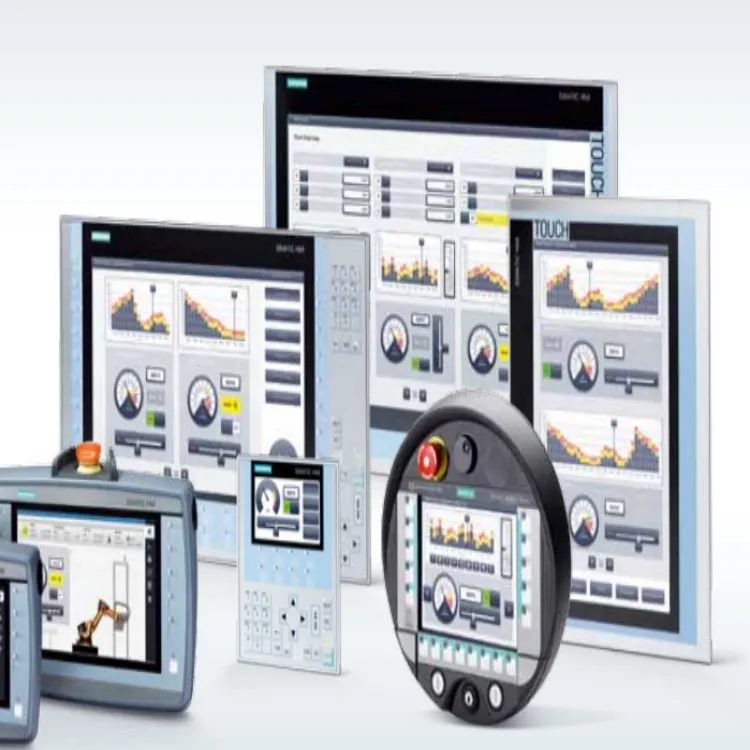
The Siemens Basic HMI also offers a robust event handling system, even though it's more targeted at smaller or less complex applications. It's got a user - friendly interface that makes it easy to configure events. You don't need to be a programming expert to set up basic events like button presses or simple input/output changes.
One aspect that I really appreciate is the logging of events. Siemens HMI keeps a detailed record of all the events that occur. This event log is extremely useful for troubleshooting and auditing purposes. If there's a problem in the system, you can go back and check the event log to see what happened and when. It can show you the exact sequence of events leading up to the issue, helping you identify the root cause quickly.
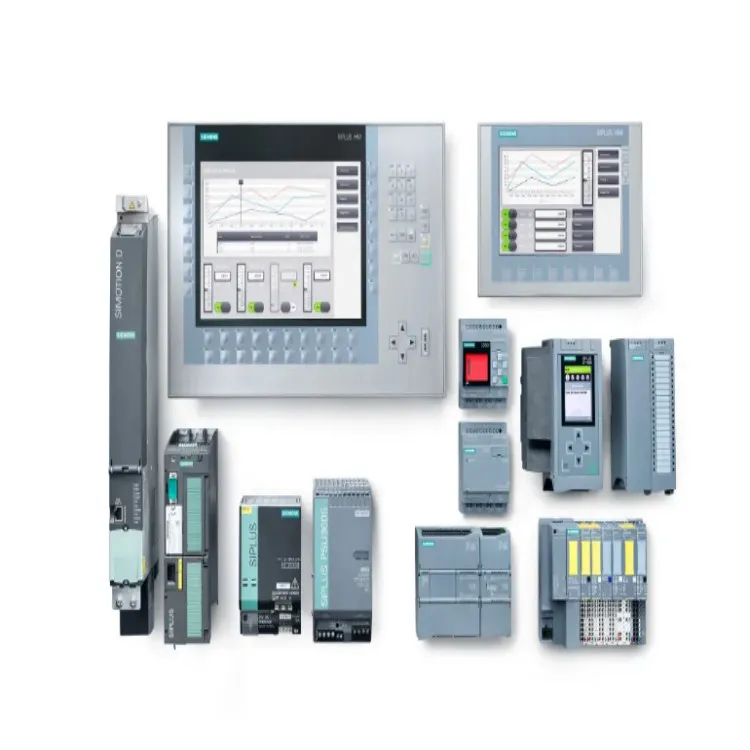
When it comes to event handling, Siemens HMI also offers the option to integrate with other systems. It can communicate with Programmable Logic Controllers (PLCs), Supervisory Control and Data Acquisition (SCADA) systems, and other industrial devices. This integration allows for a seamless flow of information and coordinated actions across the entire industrial process. For example, when an event is detected by the HMI, it can forward the relevant data to the PLC, which can then make further decisions based on that information.
In addition, the event handling in Siemens HMI supports different levels of user access. You can define who can view, modify, or trigger certain events. This is important for security reasons, especially in industrial environments where sensitive operations are taking place. For example, only authorized supervisors should be able to access high - level event configuration settings.
Now, let's talk about the practicality of these event handling capabilities. In my experience, customers have been really satisfied with how well Siemens HMI can handle events. Whether it's a small - scale manufacturing unit or a large - scale industrial plant, the event handling features have proven to be reliable and effective.
For small businesses, the Siemens Basic HMI provides a cost - effective solution with sufficient event handling capabilities to manage their operations. They can easily set up events to monitor key parameters and ensure smooth production. Larger companies, on the other hand, can take advantage of the more advanced features of the Siemens SIMATIC HMI to handle complex automation processes and large amounts of data.
Overall, the event handling capabilities of Siemens HMI are a game - changer in the industrial automation world. They offer a combination of flexibility, reliability, and ease of use that's hard to beat.
If you're in the market for an HMI with excellent event handling capabilities, I'd highly recommend considering Siemens HMI products. Whether you're just starting out with automation or looking to upgrade your existing system, these HMIs can meet your needs. And as a supplier, I'm here to help you every step of the way. If you have any questions or want to start a procurement discussion, don't hesitate to reach out. I can provide you with more detailed information, product demos, and competitive pricing. Let's work together to find the perfect Siemens HMI solution for your business.
References:
- Industry knowledge and experience from working as a Siemens HMI supplier.
- Product documentation provided by Siemens for their HMI products.