

As a leading supplier of DC servo drivers, I understand the importance of a proper installation process. A well - installed DC servo driver can ensure the stable and efficient operation of the entire servo system. In this blog, I will introduce several common installation methods for DC servo drivers.
1. Wall - Mount Installation
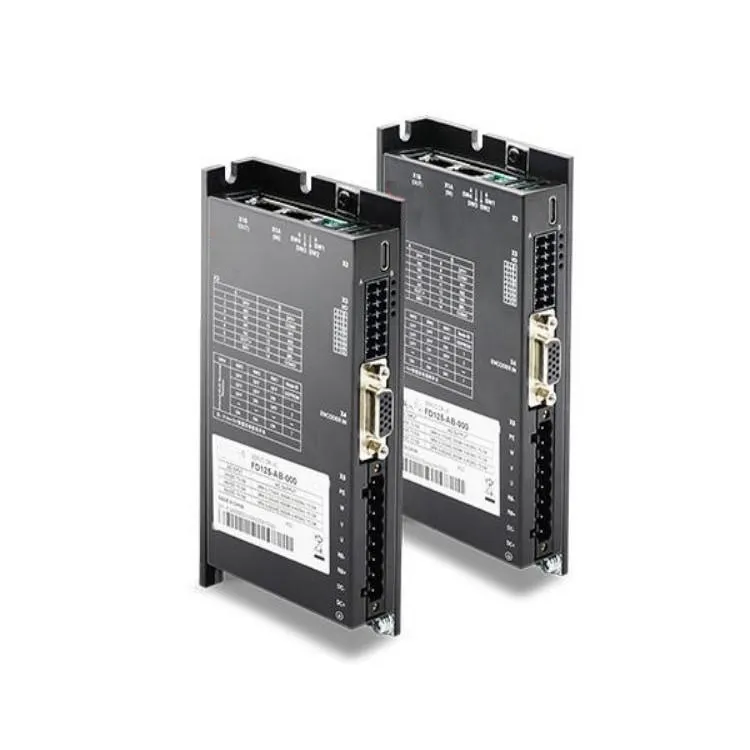
Wall - mount installation is one of the most common methods for DC servo drivers. This method is suitable for various industrial environments, especially when floor space is limited.
Advantages
- Space - saving: By mounting the driver on the wall, you can free up valuable floor space in your workshop or control room. This is particularly beneficial for small - scale production facilities or control cabinets with limited internal space.
- Good ventilation: Wall - mounted drivers can have better air circulation around them. This helps in dissipating heat more effectively, which is crucial for the long - term performance and lifespan of the DC servo driver. Since servo drivers generate heat during operation, proper ventilation can prevent overheating and potential malfunctions.
Installation Steps
- Select the Mounting Location: Choose a flat, sturdy wall surface that is away from sources of excessive heat, moisture, and vibration. The wall should be able to support the weight of the DC servo driver. Also, ensure that there is enough clearance around the driver for wiring and maintenance.
- Mark the Mounting Holes: Use the driver's mounting template or measure the hole positions directly on the driver. Mark the corresponding holes on the wall.
- Drill the Holes: Drill holes in the wall according to the marked positions. Make sure the holes are of the correct size for the mounting screws or bolts.
- Install the Mounting Brackets (if required): Some DC servo drivers come with mounting brackets. Attach these brackets to the wall using the appropriate fasteners.
- Mount the Driver: Carefully lift the DC servo driver and align it with the mounting holes or brackets. Secure the driver in place using the provided screws or bolts. Make sure the driver is firmly attached to the wall to prevent any movement during operation.
2. Rack - Mount Installation
Rack - mount installation is commonly used in data centers, industrial control systems, and other settings where multiple electronic devices need to be organized in a standard rack.
Advantages
- Standardization: Rack - mount DC servo drivers follow a standard form factor, which allows for easy integration with other rack - mounted equipment. This makes it convenient to build a unified control system or data center infrastructure.
- Ease of Maintenance: All the drivers and related equipment in a rack are neatly arranged, making it easier for technicians to access and maintain them. Wiring is also more organized, reducing the risk of cable tangling and misconnections.
Installation Steps
- Choose the Rack: Select a suitable rack that meets the size and weight requirements of the DC servo driver. The rack should have proper ventilation and grounding.
- Prepare the Rack: Install any necessary rack accessories, such as mounting rails or cable management systems. Make sure the rack is level and securely installed.
- Mount the Driver: Slide the DC servo driver into the rack and align it with the mounting rails. Use the provided screws or clips to secure the driver to the rails. Ensure that the driver is properly seated and does not move within the rack.
- Connect the Wiring: Connect the power cables, control cables, and feedback cables to the DC servo driver according to the wiring diagram. Pay attention to the correct polarity and signal connections.
3. Panel - Mount Installation
Panel - mount installation is often used when the DC servo driver needs to be integrated into a control panel or an instrument panel.
Advantages
- Visibility and Accessibility: By mounting the driver on a panel, operators can easily monitor the driver's status indicators and access its control buttons. This is especially useful in applications where real - time monitoring and manual adjustment are required.
- Protection: The panel can provide some protection for the DC servo driver from dust, moisture, and accidental damage.
Installation Steps
- Design the Panel: Determine the size and layout of the control panel. Cut a hole in the panel according to the dimensions of the DC servo driver's front bezel.
- Prepare the Driver: Remove any protective covers or packaging from the driver. Check the driver for any damage during transit.
- Install the Driver in the Panel: Insert the DC servo driver through the hole in the panel from the front. Secure the driver to the panel using the provided mounting hardware, such as nuts and washers. Make sure the driver is flush with the panel surface.
- Wire the Driver: Connect all the necessary cables to the driver, including power, control, and feedback cables. Route the cables neatly behind the panel and use cable ties or clips to secure them.
Considerations for All Installation Methods
- Wiring: Proper wiring is essential for the correct operation of the DC servo driver. Use high - quality cables that are suitable for the electrical specifications of the driver. Make sure all connections are tight and free from corrosion. Follow the wiring diagram provided by the manufacturer carefully.
- Grounding: Ensure that the DC servo driver is properly grounded. Grounding helps to protect the driver from electrical interference and reduces the risk of electrical shock.
- Environmental Conditions: Consider the environmental conditions where the driver will be installed. Avoid installing the driver in areas with high humidity, extreme temperatures, or high levels of dust and dirt. If necessary, use enclosures or environmental control systems to protect the driver.
Conclusion
As a supplier of DC Servo Driver, Mini DC Servo Driver, and Low - voltage Servo Motor, I am committed to providing high - quality products and professional technical support. If you are planning to install a DC servo driver or have any questions about the installation process, please feel free to contact us. Our team of experts will be happy to assist you in choosing the most suitable installation method and ensuring a successful installation. We look forward to discussing your specific needs and requirements for purchasing DC servo drivers and related products. Let's work together to build a more efficient and reliable servo system.
References
- Manufacturer's installation manuals for DC servo drivers.
- Industry standards for electrical equipment installation.
- Technical literature on servo systems and control theory.