
Selecting the optimal HMI (Human - Machine Interface) size for a battery manufacturing plant control system is a crucial decision that can significantly impact the efficiency, productivity, and safety of the operations. As an HMI size supplier, I've witnessed firsthand how the right HMI size can transform a manufacturing environment. In this blog, I'll delve into the factors to consider when choosing an HMI size for a battery manufacturing plant and recommend some suitable options.
Factors to Consider
1. Viewing Distance
In a battery manufacturing plant, operators may need to view the HMI from different distances. For areas where operators are constantly at close - range, such as near individual battery production stations, a smaller HMI size might suffice. A 4.3 Inch HMI can be a great option in these scenarios. It provides a compact and cost - effective solution for operators to monitor and control specific processes up close.
On the other hand, in control rooms or areas where operators need to oversee multiple processes simultaneously from a distance, a larger HMI is required. A 12.1 Inch HMI offers a wider viewing area, allowing operators to see detailed information, graphs, and multiple data points without straining their eyes.
2. Information Density
Battery manufacturing involves complex processes, and the HMI needs to display a significant amount of information. If the control system requires displaying detailed process parameters, real - time data, and complex graphics, a larger HMI size is essential. A larger screen can accommodate more information without overcrowding, making it easier for operators to read and interpret the data.
For example, when monitoring the charging and discharging cycles of batteries, a larger HMI can show multiple graphs representing voltage, current, and temperature over time. This comprehensive view helps operators make informed decisions and quickly identify any issues.
3. Space Constraints
Battery manufacturing plants often have limited space, especially in areas where multiple machines are installed. In such cases, a smaller HMI size may be more practical. A 7 Inch HMI strikes a good balance between size and functionality. It can be easily mounted on machines or control panels without taking up too much space, while still providing enough screen real - estate to display essential information.
4. Touchscreen Interaction
Many modern HMIs come with touchscreen functionality, which is highly beneficial in a manufacturing environment. The size of the HMI can affect the ease of touchscreen interaction. Smaller HMIs may have smaller touch targets, which can be difficult to operate, especially when wearing gloves. Larger HMIs, on the other hand, offer more space for touch interaction, making it easier for operators to navigate through menus, enter data, and perform other tasks.
Recommended HMI Sizes for Different Applications
1. Local Machine Control
For controlling individual battery manufacturing machines, such as battery assembly machines or electrolyte filling stations, a 4.3 Inch HMI is a suitable choice. These machines typically require operators to monitor and adjust a limited number of parameters, and the compact size of the 4.3 - inch HMI allows for easy installation and operation at the machine level.
2. Process Monitoring in Intermediate Areas
In areas where operators need to monitor multiple processes within a specific section of the plant, a 7 Inch HMI is a great option. It can display a moderate amount of information, such as process status, alarms, and basic data, while still being compact enough to be installed in various locations.
3. Centralized Control Rooms
In the central control room of a battery manufacturing plant, where operators need to oversee the entire production process, a 12.1 Inch HMI is highly recommended. The large screen size allows operators to view comprehensive information, including data from multiple machines, production schedules, and overall plant performance metrics. This enables them to make strategic decisions and manage the production process effectively.
Cost - Benefit Analysis
When choosing an HMI size, cost is also an important factor to consider. Smaller HMIs are generally more affordable, which can be an advantage for plants with a limited budget or for applications where a large - scale display is not necessary. However, it's important to balance the cost with the functionality and long - term benefits.
A larger HMI may have a higher upfront cost, but it can improve productivity, reduce errors, and enhance operator efficiency in the long run. For example, a larger HMI in the control room can help operators detect and resolve issues more quickly, leading to less downtime and increased production output.
Conclusion
Selecting the best HMI size for a battery manufacturing plant control system depends on a variety of factors, including viewing distance, information density, space constraints, and touchscreen interaction. As an HMI size supplier, I recommend carefully evaluating these factors based on the specific needs of your plant.
Whether you need a compact 4.3 Inch HMI for local machine control, a versatile 7 Inch HMI for intermediate process monitoring, or a large - scale 12.1 Inch HMI for centralized control rooms, we have the right solution for you.
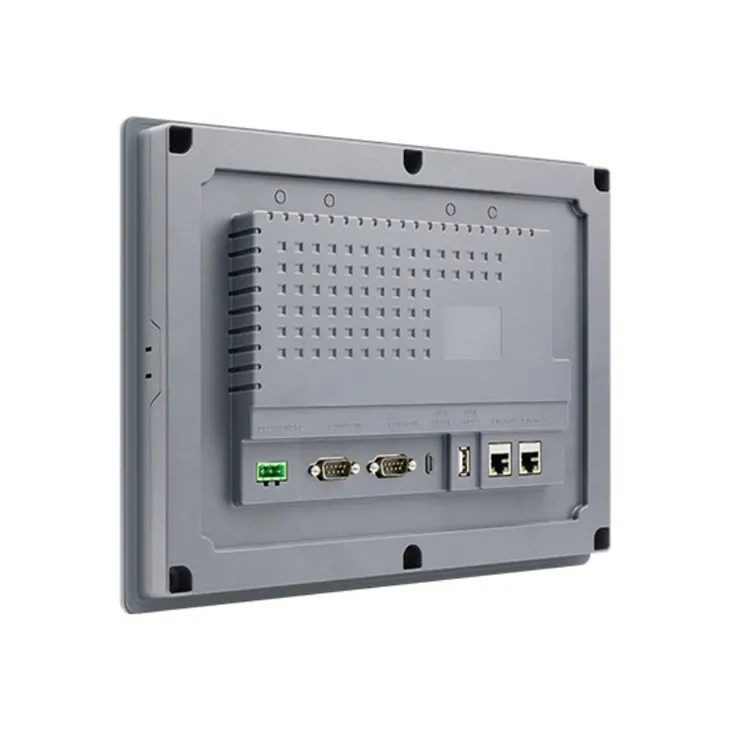
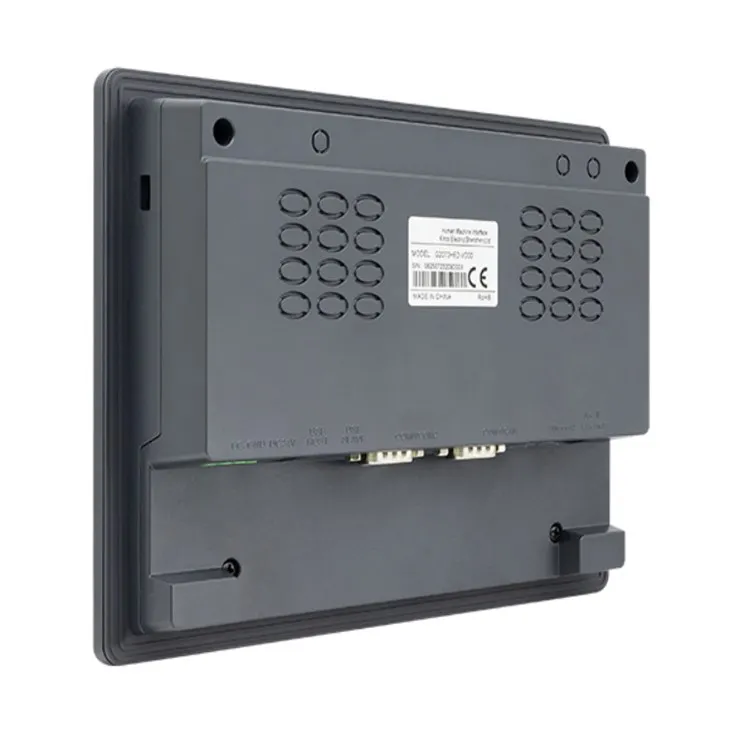
If you're interested in learning more about our HMI size options or discussing your specific requirements, I encourage you to reach out to us for a detailed consultation. Our team of experts is ready to assist you in making the best choice for your battery manufacturing plant control system.
References
- Smith, J. (2020). Human - Machine Interface Design for Industrial Automation. Industrial Press.
- Brown, A. (2019). The Impact of HMI Size on Operator Performance in Manufacturing Environments. Journal of Manufacturing Technology Management.