
Hey there! I'm a supplier of HMI (Human-Machine Interface) sizes, and today I wanna chat about the commonly used HMI sizes in metalworking machinery. Metalworking machinery is a pretty diverse field, and the choice of HMI size can make a huge difference in how operators interact with the equipment.
Let's start with the smaller sizes. The 4.3 Inch HMI is quite popular in some metalworking setups. It's compact and can be easily integrated into tight spaces. For example, in some small-scale metal lathes or bench-top milling machines, space is at a premium. A 4.3-inch HMI can fit right in without taking up too much room on the control panel. It's also relatively cost - effective, which is a big plus for small businesses or workshops on a budget. Operators can use it to access basic functions like setting the speed of the machine, adjusting the feed rate, or monitoring simple parameters. However, it does have its limitations. The screen real - estate is limited, so it might not be suitable for displaying complex diagrams or a large amount of data at once.
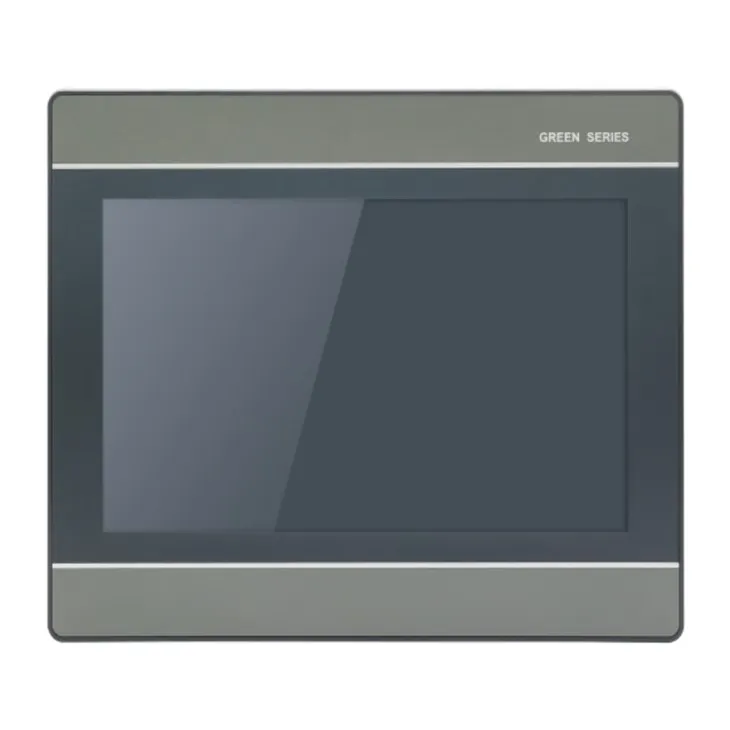
Moving up a bit, the 10.1 Inch HMI is a middle - ground option that offers a good balance between size and functionality. This size is great for medium - sized metalworking machinery, such as some medium - duty CNC routers or plasma cutters. With a 10.1 - inch screen, operators can view more detailed information. They can see the toolpath of a CNC machine, check the status of multiple sensors, and even access some diagnostic information. It's also large enough to use touch - based input comfortably, which can speed up the operation process. The increased visibility helps in reducing errors, as operators can clearly see what they're doing and make more accurate adjustments.
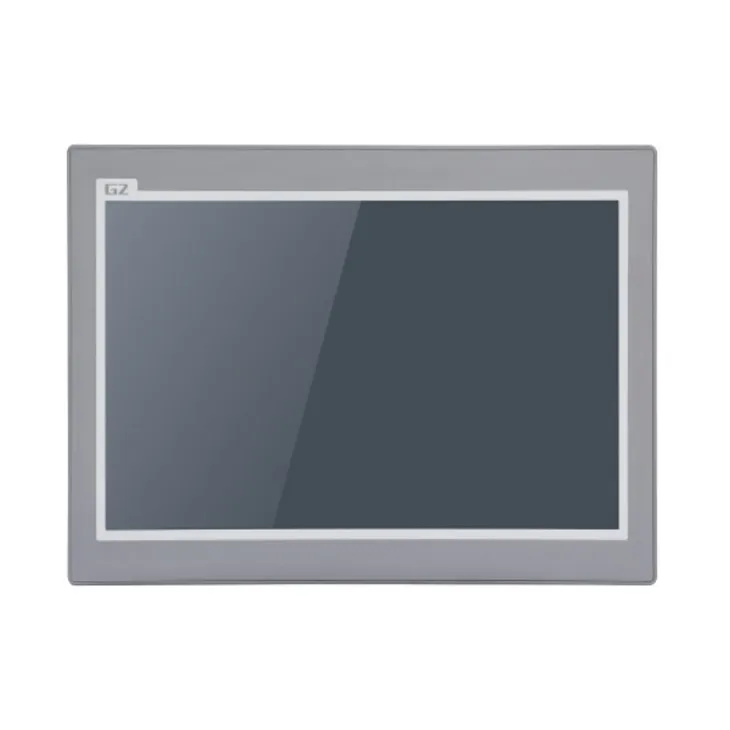
Now, let's talk about the larger sizes. The 15.6 Inch HMI is often used in high - end or large - scale metalworking machinery. Think about big industrial forging presses, large - format CNC machining centers, or automated metal fabrication lines. These machines have a lot of complex operations and require a lot of data to be presented at once. A 15.6 - inch screen can handle all that. It can display 3D models of the workpiece, detailed production schedules, and real - time monitoring of multiple axes. The large screen also allows for multi - touch gestures, which can be very useful for zooming in on specific details or rotating 3D models. However, it comes at a higher cost, both in terms of the HMI unit itself and the additional processing power required to drive the large screen.
When choosing the right HMI size for metalworking machinery, there are a few factors to consider. First, the available space on the machine's control panel is crucial. You don't want to choose a size that's too big and won't fit properly. Second, think about the complexity of the machine's operations. If it's a simple machine with basic functions, a smaller HMI might be sufficient. But if it's a highly automated and complex system, a larger screen will be needed to manage all the data. Third, consider the operator's needs. Some operators might prefer a smaller, more portable HMI for quick access to basic functions, while others might need a large screen for in - depth analysis and control.
Another aspect to think about is the resolution of the HMI. Higher resolution means sharper images and clearer text, which is especially important when dealing with technical diagrams or small text on the screen. For example, in a CNC machine, a high - resolution HMI can help operators see the fine details of the toolpath, which can lead to more precise machining.
Connectivity is also key. Most modern HMIs support various communication protocols, such as Ethernet, USB, and CAN bus. This allows them to connect to other devices in the metalworking system, like sensors, actuators, and PLCs (Programmable Logic Controllers). A well - connected HMI can provide real - time data from all parts of the machine, enabling better control and monitoring.
In terms of durability, metalworking environments can be tough. There's often dust, oil, and vibrations. So, the HMI needs to be rugged enough to withstand these conditions. Look for HMIs with a high IP (Ingress Protection) rating, which indicates how well it can resist dust and water ingress. Some HMIs also have shock - and vibration - resistant features to ensure they keep working properly in a harsh industrial setting.
As a supplier of HMI sizes, I've seen firsthand how the right HMI can transform the operation of metalworking machinery. Whether you're running a small workshop or a large industrial plant, choosing the appropriate HMI size is an important decision that can impact productivity, accuracy, and operator satisfaction.
If you're in the market for an HMI for your metalworking machinery, I'd love to help you make the right choice. Every metalworking setup is unique, and I can work with you to understand your specific needs and recommend the best HMI size and features for your situation. Whether you need a small, cost - effective 4.3 - inch HMI or a large, high - end 15.6 - inch HMI, I've got you covered. Don't hesitate to reach out and start a conversation about your HMI requirements. Let's work together to find the perfect fit for your metalworking machinery.
References
- General knowledge of metalworking machinery and HMI technology.
- Industry reports on the use of HMIs in industrial applications.