
As an industrial VFD (Variable Frequency Drive) supplier, I often encounter inquiries about the various functions of our products. One question that comes up frequently is about the braking function of an industrial VFD. In this blog post, I'll delve into what the braking function is, how it works, and its importance in industrial applications.
What is the Braking Function of an Industrial VFD?
The braking function of an industrial VFD is designed to control the deceleration of an electric motor. When a motor is running, it has kinetic energy. In many industrial applications, there is a need to stop the motor quickly and safely. The braking function of the VFD helps to dissipate this kinetic energy and bring the motor to a halt in a controlled manner.
There are two main types of braking functions in industrial VFDs: dynamic braking and regenerative braking.
Dynamic Braking
Dynamic braking is the most common type of braking used in industrial VFDs. It works by converting the kinetic energy of the motor into heat. When the VFD needs to slow down or stop the motor, it switches the motor from a motoring mode to a generating mode. In this mode, the motor acts as a generator, producing electrical energy. This energy is then dissipated as heat through a braking resistor connected to the VFD.
The process of dynamic braking can be explained as follows:
- Deceleration Command: When the VFD receives a command to decelerate the motor, it reduces the frequency and voltage supplied to the motor.
- Generating Mode: As the motor slows down, it starts to generate electrical energy. This energy is fed back into the DC bus of the VFD.
- Braking Resistor: The excess energy on the DC bus is then diverted to the braking resistor. The resistor converts the electrical energy into heat, which is dissipated into the surrounding environment.
Dynamic braking is relatively simple and cost - effective. It is suitable for applications where the braking energy is not too high and where the heat generated by the braking resistor can be easily managed. For example, in conveyor systems, dynamic braking can be used to stop the conveyor belt quickly when needed.
Regenerative Braking
Regenerative braking is a more advanced form of braking that recovers the kinetic energy of the motor and feeds it back into the power supply. Instead of dissipating the energy as heat, regenerative braking converts the electrical energy generated by the motor back into a form that can be used by other equipment in the industrial facility.
The process of regenerative braking is as follows:
- Deceleration Command: Similar to dynamic braking, the VFD reduces the frequency and voltage supplied to the motor when a deceleration command is received.
- Generating Mode: The motor acts as a generator, producing electrical energy. This energy is fed back into the DC bus of the VFD.
- Inverter Bridge: The VFD uses an inverter bridge to convert the DC energy on the bus back into AC energy. This AC energy is then synchronized with the power supply and fed back into the grid.
Regenerative braking is more efficient than dynamic braking, as it recovers the energy that would otherwise be wasted. It is suitable for applications where there is a large amount of braking energy, such as in elevators, cranes, and high - speed trains. However, regenerative braking systems are more complex and expensive than dynamic braking systems.
Importance of the Braking Function in Industrial Applications
The braking function of an industrial VFD is crucial for several reasons:
Safety
In industrial settings, safety is of utmost importance. The ability to stop a motor quickly and safely can prevent accidents and protect workers and equipment. For example, in a manufacturing plant, if a conveyor belt needs to be stopped immediately due to a jam or other issue, the braking function of the VFD can ensure that the belt comes to a halt without causing damage or injury.
Process Control
In many industrial processes, precise control of the motor's speed and stopping time is required. The braking function of the VFD allows for accurate deceleration, which is essential for maintaining the quality and efficiency of the process. For instance, in a printing press, the ability to stop the motor precisely at the right time can ensure that the printed material is of high quality.
Energy Efficiency
As mentioned earlier, regenerative braking can recover the kinetic energy of the motor and feed it back into the power supply. This not only reduces the energy consumption of the industrial facility but also lowers the operating costs. Even in the case of dynamic braking, proper sizing of the braking resistor can ensure that the energy is dissipated efficiently.
Our Industrial VFDs with Braking Function
At our company, we offer a wide range of industrial VFDs with advanced braking functions. Our VFDs are designed to meet the diverse needs of different industrial applications. Whether you need a simple dynamic braking system for a small conveyor or a complex regenerative braking system for a large crane, we have the right solution for you.
Our Water Pump Inverter is equipped with a reliable braking function that can ensure the safe and efficient operation of water pumps. It can stop the pump quickly when needed, preventing water hammer and other issues.
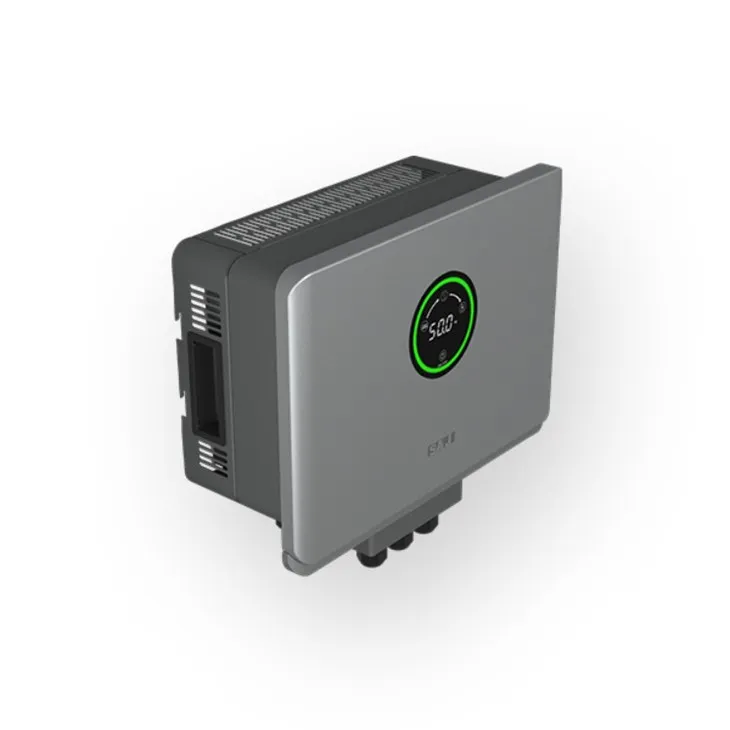
The Solar Pump Inverter we provide also features a braking function that helps to protect the pump and the solar power system. It can handle the deceleration of the pump smoothly, even in variable solar conditions.
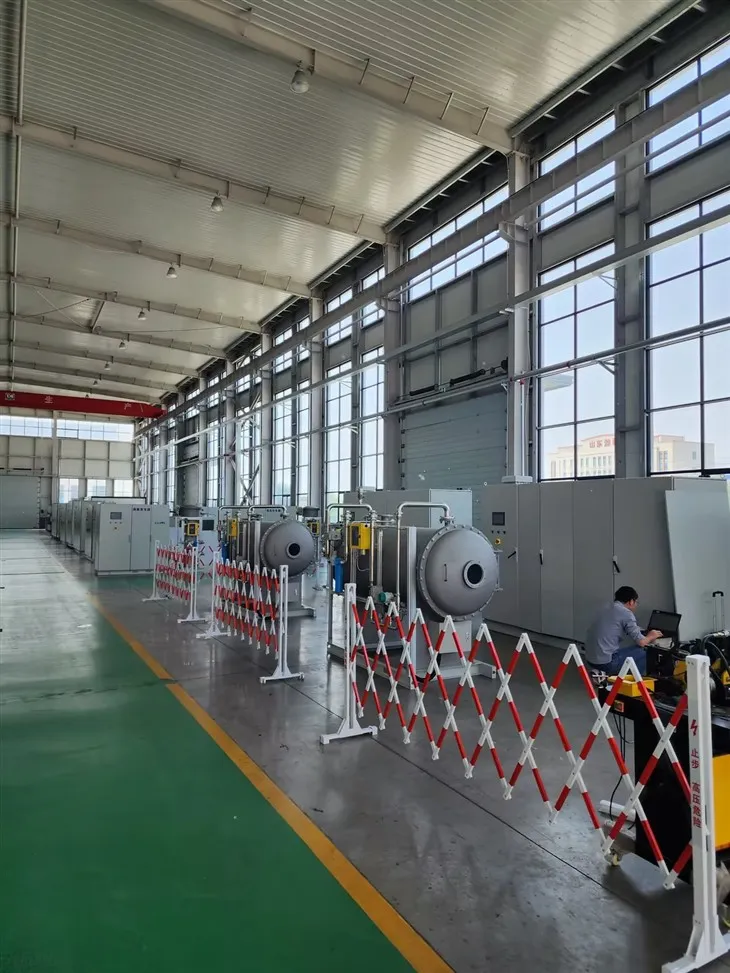
For ozone generation applications, our Ozone Generator Power Supply comes with a braking function that ensures the stability and safety of the ozone generator. It can stop the motor driving the ozone generator quickly, preventing any potential damage to the equipment.
Contact Us for Purchase and Consultation
If you are interested in our industrial VFDs with braking function or have any questions about the braking function and its applications, we encourage you to contact us. Our team of experts is ready to provide you with detailed information, technical support, and customized solutions. We believe that our high - quality products and excellent service will meet your industrial needs.
References
- "Variable Frequency Drives: Selection, Application, and Troubleshooting" by Thomas H. Boyes
- "Industrial Motor Control" by Stephen L. Herman
- "Power Electronics: Converters, Applications, and Design" by Ned Mohan, Tore M. Undeland, and William P. Robbins