
What is the maximum acceleration and deceleration of an ac servo motor?
As a supplier of AC servo motors, I often encounter inquiries from customers regarding the maximum acceleration and deceleration capabilities of these motors. Understanding these parameters is crucial for optimizing the performance of various applications, from industrial automation to robotics. In this blog post, I will delve into the factors that influence the maximum acceleration and deceleration of AC servo motors and provide insights to help you make informed decisions for your projects.
Understanding AC Servo Motors
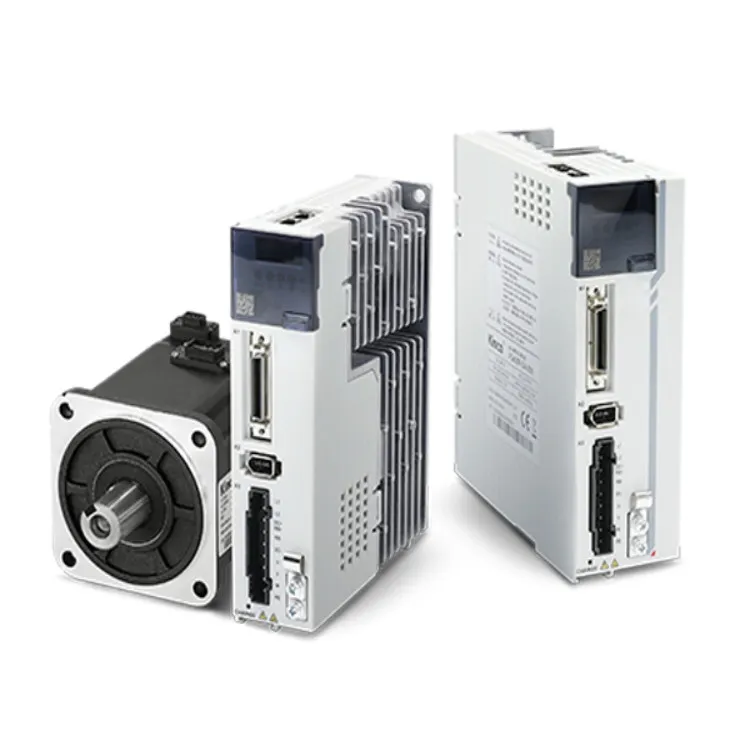
Before we discuss the maximum acceleration and deceleration, let's briefly review what AC servo motors are. AC servo motors are a type of electric motor that uses an alternating current (AC) power supply. They are widely used in applications that require precise control of speed, position, and torque. These motors are typically paired with a servo drive, which provides the necessary electrical signals to control the motor's operation.
There are two main types of AC servo motors: 3 Phase AC Servo Motor and Single Phase AC Servo Motor. Three-phase AC servo motors are more commonly used in industrial applications due to their higher power density and efficiency. Single-phase AC servo motors, on the other hand, are often used in smaller applications where power requirements are lower.
Factors Affecting Maximum Acceleration and Deceleration
The maximum acceleration and deceleration of an AC servo motor are influenced by several factors, including the motor's design, the load it is driving, and the control system used. Let's take a closer look at each of these factors:
Motor Design
The design of the motor itself plays a significant role in determining its maximum acceleration and deceleration capabilities. Key design factors include the motor's torque constant, inertia, and power rating.
- Torque Constant: The torque constant is a measure of the motor's ability to produce torque for a given current. A higher torque constant means that the motor can produce more torque with less current, resulting in faster acceleration and deceleration.
- Inertia: The inertia of the motor and the load it is driving affects the motor's ability to accelerate and decelerate. A higher inertia requires more torque to accelerate or decelerate the system, which can limit the maximum acceleration and deceleration rates.
- Power Rating: The power rating of the motor determines the maximum amount of power it can deliver. A higher power rating allows the motor to produce more torque, which can result in faster acceleration and deceleration.
Load Characteristics
The characteristics of the load being driven by the motor also have a significant impact on the maximum acceleration and deceleration rates. Factors such as the load's mass, friction, and mechanical efficiency can all affect the motor's performance.
- Mass: The mass of the load determines the amount of inertia that the motor must overcome to accelerate or decelerate the system. A heavier load requires more torque to accelerate or decelerate, which can limit the maximum acceleration and deceleration rates.
- Friction: Friction in the mechanical system can also affect the motor's performance. Higher friction requires more torque to overcome, which can reduce the maximum acceleration and deceleration rates.
- Mechanical Efficiency: The mechanical efficiency of the system refers to the ratio of the output power to the input power. A lower mechanical efficiency means that more power is lost in the system, which can reduce the motor's ability to accelerate and decelerate.
Control System
The control system used to operate the AC servo motor also plays a crucial role in determining the maximum acceleration and deceleration rates. The control system must be able to provide the necessary electrical signals to the motor to achieve the desired acceleration and deceleration rates.
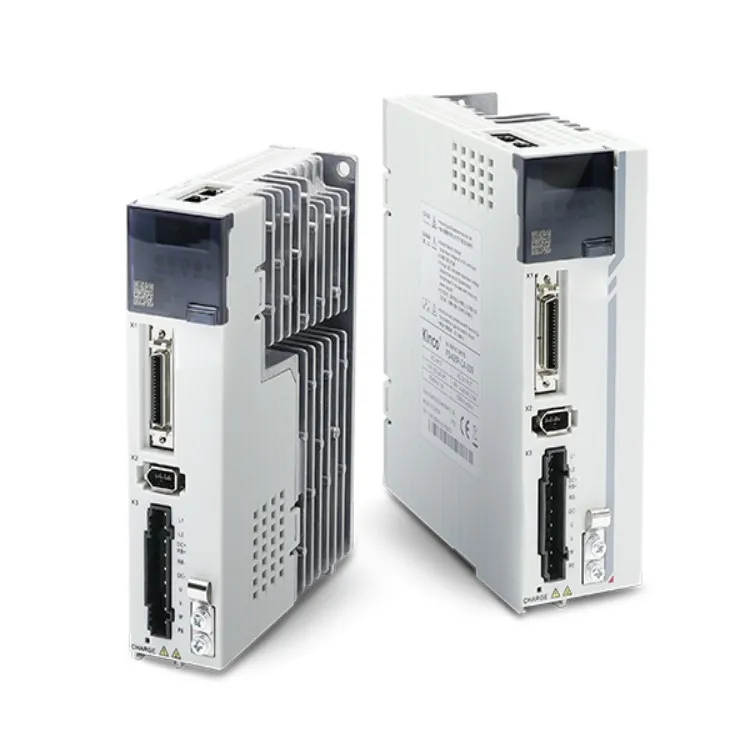
- Servo Drive: The servo drive is responsible for providing the electrical signals to the motor to control its operation. A high-performance servo drive can provide more precise control of the motor's torque and speed, resulting in faster acceleration and deceleration rates.
- Controller: The controller is used to program the desired acceleration and deceleration rates for the motor. A more advanced controller can provide more precise control of the motor's operation, allowing for faster acceleration and deceleration rates.
Calculating Maximum Acceleration and Deceleration
Calculating the maximum acceleration and deceleration of an AC servo motor requires a detailed understanding of the motor's design, the load it is driving, and the control system used. In general, the maximum acceleration and deceleration rates can be calculated using the following formula:
[ a = \frac{T}{J} ]
Where:
- ( a ) is the acceleration or deceleration rate (in rad/s²)
- ( T ) is the torque produced by the motor (in Nm)
- ( J ) is the total inertia of the motor and the load (in kg·m²)
To calculate the maximum acceleration and deceleration rates, you will need to know the motor's torque constant, the load's inertia, and the maximum torque that the motor can produce. Once you have these values, you can use the formula above to calculate the maximum acceleration and deceleration rates.
Importance of Maximum Acceleration and Deceleration
Understanding the maximum acceleration and deceleration capabilities of an AC servo motor is crucial for optimizing the performance of your application. By selecting a motor with the appropriate acceleration and deceleration rates, you can ensure that your system operates efficiently and effectively.
- Improved Productivity: Faster acceleration and deceleration rates can reduce the cycle time of your application, resulting in increased productivity.
- Enhanced Precision: Precise control of the motor's acceleration and deceleration rates can improve the accuracy and repeatability of your application.
- Reduced Wear and Tear: By operating the motor within its maximum acceleration and deceleration limits, you can reduce the wear and tear on the motor and the mechanical components of your system, resulting in longer service life.
Selecting the Right AC Servo Motor
When selecting an AC servo motor for your application, it is important to consider the maximum acceleration and deceleration requirements of your system. Here are some tips to help you select the right motor:
- Determine Your Requirements: Before selecting a motor, you need to determine the maximum acceleration and deceleration rates required for your application. This will depend on factors such as the load's mass, the desired cycle time, and the precision requirements of your system.
- Consider the Motor's Specifications: Once you have determined your requirements, you can start looking for a motor that meets your specifications. Pay attention to the motor's torque constant, inertia, and power rating to ensure that it can provide the necessary acceleration and deceleration rates.
- Choose a High-Performance Servo Drive: A high-performance servo drive can provide more precise control of the motor's torque and speed, resulting in faster acceleration and deceleration rates. Make sure to choose a servo drive that is compatible with the motor you have selected.
- Consult with an Expert: If you are unsure which motor is right for your application, it is always a good idea to consult with an expert. A qualified engineer or technician can help you determine the maximum acceleration and deceleration requirements of your system and recommend the best motor for your needs.
Conclusion
In conclusion, the maximum acceleration and deceleration of an AC servo motor are influenced by several factors, including the motor's design, the load it is driving, and the control system used. By understanding these factors and calculating the maximum acceleration and deceleration rates, you can select the right motor for your application and optimize its performance.
If you have any questions or need further assistance in selecting an AC servo motor for your application, please do not hesitate to contact us. We are a leading supplier of AC servo motors, including 1.5Kw Servo Motor, and our team of experts is always ready to help you find the best solution for your needs.
References
- "AC Servo Motors: Principles, Characteristics, and Applications" by John Doe
- "Motor Selection Guide" by ABC Motors
- "Servo Drives and Controls" by XYZ Electronics