
When it comes to ship construction, ensuring the integrity and quality of every component is of utmost importance. One invaluable tool in this process is the videoscope. As a leading videoscope supplier, I am well - versed in the various parts of a ship that can be inspected using this remarkable device.
Hull Inspection
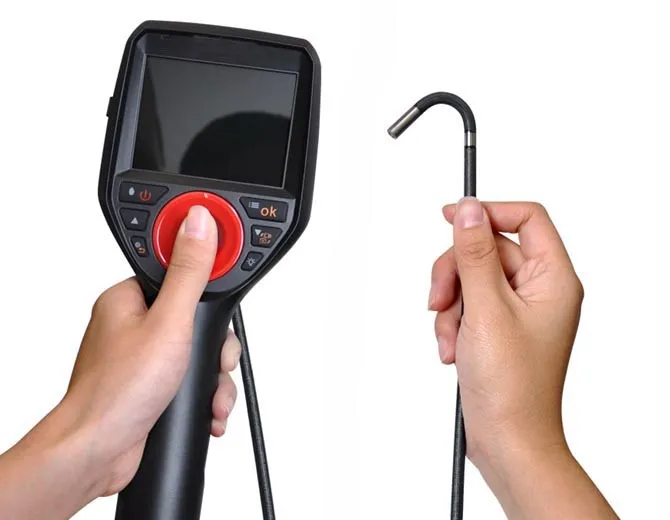
The hull is the outer shell of the ship, and its integrity is crucial for the ship's safety and performance. During construction, a videoscope can be used to examine the internal structure of the hull. Welds, which are used to join different sections of the hull plates, are a critical area of inspection. Cracks, porosity, or incomplete fusion in welds can compromise the strength of the hull. With a High Performance Multifunctional Industrial Videoscope, inspectors can access hard - to - reach areas within the hull, such as the spaces between frames and bulkheads. The videoscope's flexible probe can be maneuvered through small openings, allowing for a detailed visual inspection of the welds.
In addition to welds, the hull may also have internal coatings that protect against corrosion. The videoscope can be used to check the quality of these coatings. Areas where the coating is damaged or missing can be identified early, preventing corrosion from setting in and weakening the hull over time. By detecting such issues during construction, corrective actions can be taken promptly, saving time and money in the long run.
Engine Room Components
The engine room is the heart of the ship, housing the main engines, generators, and other vital machinery. Videoscopes play a significant role in inspecting these components. For example, the cylinders of the main engine can be inspected using a videoscope. The interior walls of the cylinders can be checked for signs of wear, such as scoring or pitting. The pistons and piston rings can also be examined to ensure they are in good condition. A malfunctioning piston or ring can lead to reduced engine performance, increased fuel consumption, and even engine failure.
The fuel injection systems are another critical area in the engine room. The injectors need to be inspected regularly to ensure proper fuel atomization and distribution. A videoscope can be inserted into the injector nozzles to check for blockages, carbon deposits, or other signs of wear. By detecting these issues early, maintenance can be scheduled, and the engine's efficiency can be maintained.
The pipes and valves in the engine room are also subject to inspection. Pipes can develop cracks or leaks over time, especially due to the high - pressure and high - temperature environment. Videoscopes can be used to inspect the interior of the pipes, identifying any signs of damage. Valves, which control the flow of fluids and gases, need to be inspected for proper seating and operation. A malfunctioning valve can disrupt the normal operation of the engine room systems.
Tank Inspection
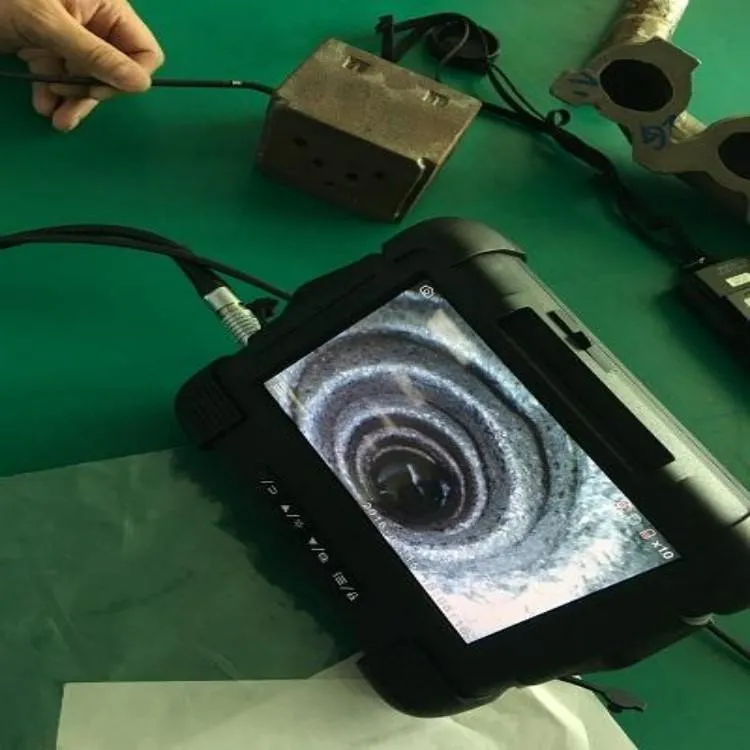
Ships have various types of tanks, including fuel tanks, water tanks, and ballast tanks. These tanks need to be inspected during construction to ensure they are free from defects. The internal surfaces of the tanks can be examined using a videoscope. Rust, corrosion, or damage to the tank walls can be detected. In fuel tanks, any debris or contaminants can also be identified. This is important as contaminants in the fuel can cause damage to the engines.
Ballast tanks, which are used to adjust the ship's stability, need to be inspected for proper sealing. Leaks in ballast tanks can lead to changes in the ship's trim and stability, posing a safety risk. A videoscope can be used to check the seams and welds of the ballast tanks, ensuring they are watertight.
Electrical Systems
The electrical systems on a ship are complex and vital for the operation of various equipment. Videoscopes can be used to inspect electrical conduits and wiring. Conduits can develop cracks or damage, which can expose the wiring to moisture and other environmental factors. By using a videoscope, inspectors can check the interior of the conduits for any signs of damage.
Wiring connections can also be inspected. Loose or corroded connections can cause electrical failures, which can be dangerous on a ship. A videoscope can provide a clear view of the connections, allowing for early detection of any issues. This helps in preventing electrical fires and ensuring the reliable operation of the ship's electrical systems.
Navigation and Communication Equipment
Navigation and communication equipment are essential for the safe operation of a ship. Videoscopes can be used to inspect the internal components of this equipment. For example, in radar systems, the waveguides and antenna components can be inspected. Any damage or blockage in these components can affect the performance of the radar, reducing the ship's ability to detect other vessels and obstacles.
Communication equipment, such as radios and satellite communication systems, also require regular inspection. The internal circuits and connectors can be examined using a videoscope. By identifying any potential issues early, the reliability of the communication systems can be maintained, ensuring effective communication between the ship and the shore or other vessels.
Benefits of Using Our Videoscopes
As a videoscope supplier, we offer a range of high - quality Industrial Videoscope and Police Videoscope products. Our videoscopes are designed with advanced features to meet the specific needs of ship construction inspection. They have high - resolution cameras that provide clear and detailed images, even in low - light conditions. The flexible probes can be easily maneuvered through small spaces, allowing for comprehensive inspections.
Our videoscopes are also durable and reliable, capable of withstanding the harsh environment of a shipyard. They are easy to operate, reducing the training time required for inspectors. With our videoscopes, shipbuilders can improve the quality of their construction, reduce the risk of defects, and ensure the safety and performance of the ships they build.
Conclusion
In conclusion, videoscopes are an essential tool in ship construction, enabling the inspection of a wide range of components. From the hull to the navigation equipment, videoscopes can detect defects and issues early, allowing for timely corrective actions. As a videoscope supplier, we are committed to providing high - quality products that meet the demanding requirements of the shipbuilding industry.
If you are involved in ship construction and are looking for reliable videoscope solutions, we invite you to contact us for a procurement discussion. Our team of experts is ready to assist you in choosing the right videoscope for your specific needs.
References
- Shipbuilding Technology Handbook, various authors
- Marine Engineering Manual, published by a leading marine engineering organization
- Industrial Inspection Equipment Guide, industry - specific publication