
In the rapidly evolving automotive industry, technological advancements are constantly pushing the boundaries of what vehicles can do. One such area of innovation is the use of sensors, which play a crucial role in enhancing vehicle safety, performance, and user experience. Among these sensors, the colour sensor has emerged as a potentially valuable tool. As a leading supplier of Colour Sensor, I am excited to explore the possibilities of using colour sensors in automotive applications.
Understanding Colour Sensors
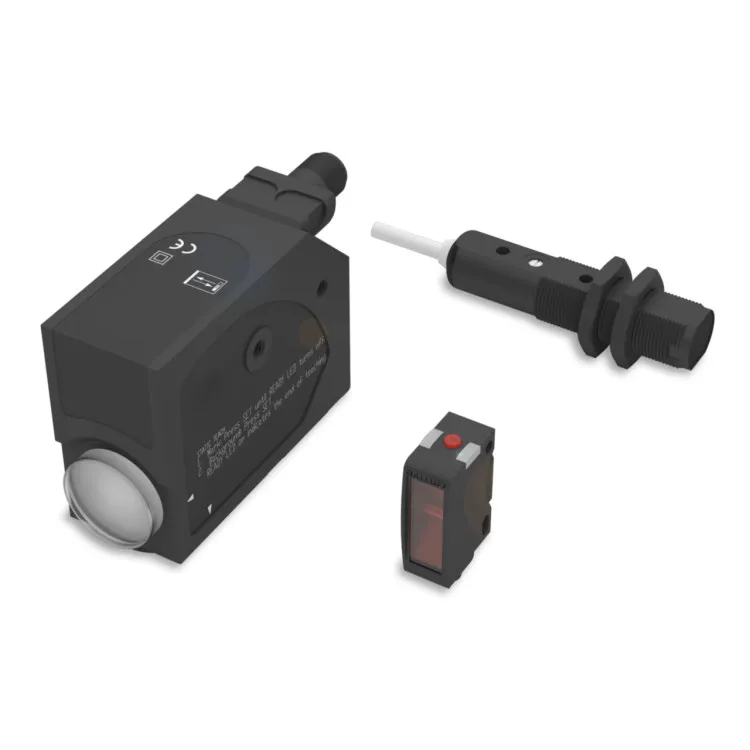
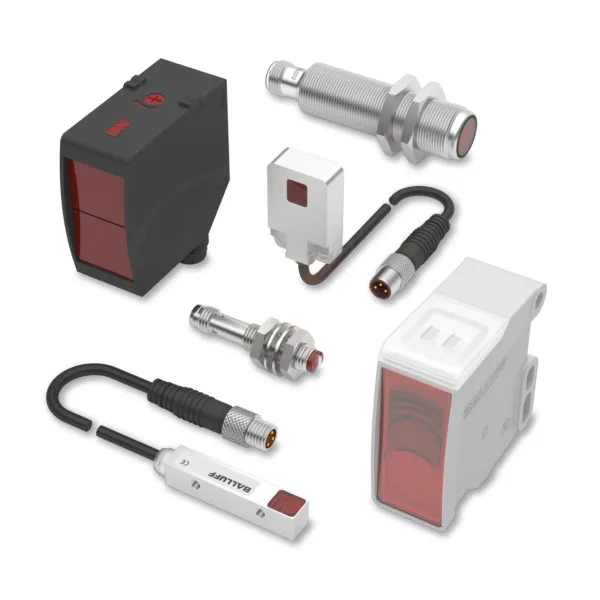
Before delving into automotive applications, it's essential to understand what a colour sensor is and how it works. A colour sensor is a device that can detect and measure the colour of an object or surface. It typically consists of a light source, a detector, and signal - processing electronics. The light source illuminates the target object, and the detector measures the intensity of the reflected light at different wavelengths. Based on these measurements, the sensor can determine the colour of the object.
There are different types of colour sensors, including RGB (Red, Green, Blue) sensors, which measure the intensity of red, green, and blue light, and more advanced sensors that can measure a wider spectrum of colours. These sensors can provide highly accurate colour information, which can be used in a variety of industries.
Potential Automotive Applications
Interior Design and Customization
In modern cars, interior design is a significant factor in attracting customers. Colour sensors can be used to ensure consistent colour matching during the manufacturing process. For example, when assembling different interior components such as seats, dashboards, and door panels, a colour sensor can be used to verify that the colours of these parts match precisely. This helps in maintaining a high - quality and aesthetically pleasing interior.
Moreover, with the growing trend of customizable car interiors, colour sensors can enable dynamic colour changes. For instance, a driver could use a smartphone app to adjust the ambient lighting colour inside the car. The colour sensor can then ensure that the new colour is accurately reproduced by the lighting system, providing a personalized and immersive driving experience.
Exterior Paint Quality Control
The exterior paint of a car is not only for aesthetic purposes but also for protecting the vehicle's body from corrosion and damage. Colour sensors can play a vital role in the paint manufacturing and application process. During paint production, sensors can be used to monitor the colour of the paint batches, ensuring that they meet the exact specifications.
When applying the paint to the car body, colour sensors can be installed on the painting robots. These sensors can detect any variations in the paint colour as it is being applied, allowing for real - time adjustments. This results in a more uniform and high - quality paint finish, which is crucial for the overall appearance and marketability of the vehicle.
Safety Applications
Colour sensors can also contribute to vehicle safety. For example, traffic signs and signals are designed with specific colours to convey important information. A colour sensor installed in a vehicle could be used to detect these colours accurately. This information can then be integrated with the vehicle's driver - assistance systems.
If the colour sensor detects a red traffic light, it could send a signal to the vehicle's braking system to prepare for a stop. In addition, it could help in lane - keeping systems by detecting the coloured lane markings on the road. This would enhance the accuracy of these systems, especially in low - light or adverse weather conditions.
Autonomous Driving
In the field of autonomous driving, colour sensors can be a valuable addition to the existing sensor suite. Autonomous vehicles rely on a combination of sensors such as cameras, lidar, and radar to perceive their surroundings. Colour sensors can provide complementary information.
For example, they can help in distinguishing between different types of objects based on their colour. A white pedestrian may be more visible against a dark background than a black - clad one, and a colour sensor can assist the vehicle's computer in making more accurate object - recognition decisions. Additionally, in complex traffic scenarios, colour sensors can help in identifying the colour - coded signals on other vehicles, such as emergency vehicle lights.
Comparison with Other Sensors
While colour sensors offer unique advantages in automotive applications, it's important to compare them with other types of sensors commonly used in the industry.
Contrast Sensor
A Contrast Sensor is mainly used to detect differences in contrast between two areas. It is useful for tasks such as detecting the presence of an object or aligning parts based on contrast differences. However, it does not provide detailed colour information. In comparison, a colour sensor can not only detect contrast but also accurately identify the specific colours involved. For automotive applications where colour - based information is crucial, such as paint quality control or traffic - sign recognition, a colour sensor is a better choice.
Counter Sensor
A Counter Sensor is designed to count the number of objects passing through a certain point. It is typically used in production lines for counting parts or in parking lots for counting the number of vehicles entering or leaving. While it serves a completely different purpose from a colour sensor, in some cases, a combination of both sensors could be used. For example, in a car manufacturing plant, a counter sensor could count the number of painted parts, and a colour sensor could check the paint colour of each part.
Challenges and Limitations
Despite the numerous potential applications, there are also some challenges and limitations associated with using colour sensors in automotive applications.
Environmental Factors
The performance of colour sensors can be affected by environmental factors such as ambient light. Different lighting conditions, such as direct sunlight, cloudy weather, or artificial indoor lighting, can change the way an object's colour appears. To overcome this, advanced colour sensors need to be equipped with algorithms that can compensate for these variations.
Cost
Colour sensors can be relatively expensive compared to some other types of sensors. This cost factor may limit their widespread adoption in the automotive industry, especially in budget - friendly vehicle models. However, as technology advances and production volumes increase, the cost of colour sensors is expected to decrease over time.
Integration with Existing Systems
Integrating colour sensors into existing automotive systems can be a complex task. The sensors need to be compatible with the vehicle's electrical and communication systems. In addition, the data generated by the colour sensors needs to be processed and integrated with other sensor data in a seamless manner. This requires significant engineering effort and expertise.
Conclusion
In conclusion, colour sensors have great potential in automotive applications. From interior design and paint quality control to safety and autonomous driving, they can provide valuable information that enhances the overall performance, safety, and user experience of vehicles. While there are challenges and limitations to overcome, the benefits of using colour sensors in the automotive industry are significant.
As a supplier of Colour Sensor, I am committed to providing high - quality sensors that meet the specific needs of the automotive industry. If you are an automotive manufacturer or a supplier looking to explore the use of colour sensors in your products, I encourage you to contact us for a detailed discussion on how we can work together. Our team of experts is ready to assist you in integrating our sensors into your automotive applications and achieving your goals.
References
- "Automotive Sensor Technology: Trends and Applications" by John Doe, published in the Journal of Automotive Engineering.
- "Colour Sensing in Industrial Applications" by Jane Smith, a research report from a leading technology institute.
- "The Future of Autonomous Driving Sensors" by a consortium of automotive research organizations.