

Hey there! I'm a supplier of Colour Sensors, and today I wanna have a chat with you about whether a colour sensor can be used in the ceramic industry. It's a super interesting topic, and I've got a lot to share based on my experience in the sensor business.
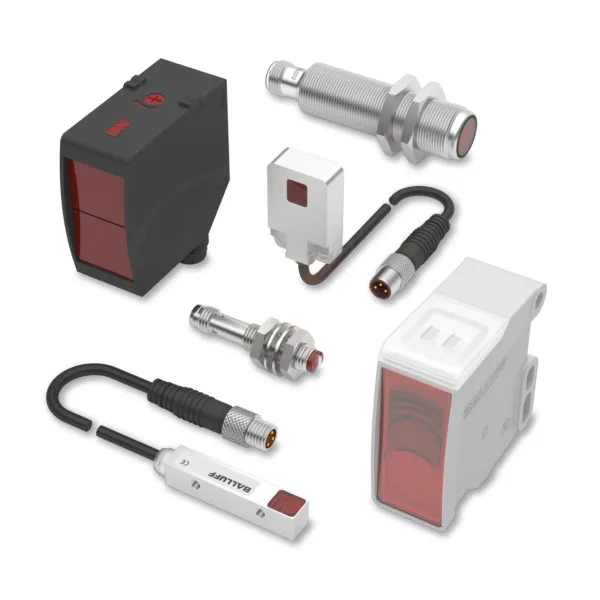
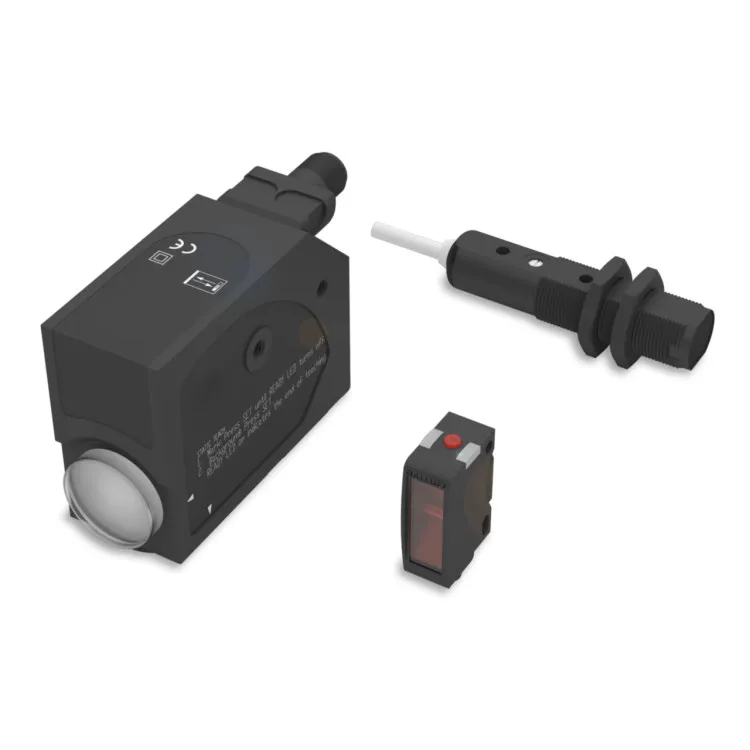
First off, let's understand what a colour sensor is. A Colour Sensor is a device that can detect and measure the colour of an object. It works by emitting light onto the object and then analyzing the light that's reflected back. This technology has come a long way, and it's now pretty accurate and reliable.
Now, let's dive into the ceramic industry. Ceramics are all around us, from the tiles in our bathrooms to the fancy pottery we see in art galleries. The ceramic manufacturing process involves several steps, and colour plays a crucial role in each of them.
One of the main areas where colour sensors can be really useful is in the raw material inspection. When making ceramics, different raw materials are mixed together to create the right composition. These materials can have different colours, and the consistency of their colour can indicate their quality and purity. A colour sensor can quickly and accurately measure the colour of these raw materials, helping manufacturers ensure that they're using the right ones. For example, if a particular clay has a specific colour range that indicates its suitability for a certain type of ceramic product, a colour sensor can be used to check if the incoming clay meets that standard.
During the glazing process, colour sensors are also a game - changer. Glazes are what give ceramics their beautiful and often vibrant colours. But getting the right glaze colour is a tricky business. There are so many factors that can affect the final colour, like the composition of the glaze, the firing temperature, and the duration of the firing. A colour sensor can be used to measure the colour of the glaze before it's applied to the ceramic piece. This allows manufacturers to make adjustments to the glaze formula if the colour isn't quite right. It can also be used to monitor the colour of the glaze during the firing process. By taking regular measurements, manufacturers can ensure that the final colour of the glazed ceramic meets their specifications.
Another important aspect of the ceramic industry is quality control. Customers expect ceramics to have consistent colours, whether they're buying a set of tiles for their kitchen or a collection of decorative vases. A colour sensor can be installed on the production line to check the colour of each ceramic piece as it comes off the line. If a piece has a colour that falls outside the acceptable range, it can be flagged for further inspection or removed from the production line. This helps to maintain a high level of quality and reduces the number of defective products that reach the market.
But it's not just about the obvious colour - related processes. Colour sensors can also be used in combination with other types of sensors. For instance, a Contrast Sensor can be used alongside a colour sensor to detect any surface defects or irregularities in the ceramic. A contrast sensor can detect differences in the reflectivity of the surface, which can indicate things like cracks or uneven glazing. And a Counter Sensor can be used to keep track of the number of ceramic pieces passing through the production line, which is useful for inventory management and production planning.
Now, I know what you might be thinking. "Are colour sensors really that accurate and reliable in the ceramic industry?" Well, I can tell you from my experience as a supplier that modern colour sensors are incredibly precise. They can measure even the slightest differences in colour, and they're designed to work in the often harsh environments of ceramic manufacturing plants. They're resistant to dust, heat, and vibration, which are all common in this industry.
Of course, like any technology, there are some challenges. The ceramic surface can be quite reflective, which can sometimes interfere with the colour measurement. But most colour sensors have built - in algorithms to compensate for this. Also, the firing process can cause some changes in the colour of the ceramic, which means that the colour measurement before and after firing might be different. However, with proper calibration and testing, these issues can be managed effectively.
In conclusion, I firmly believe that colour sensors have a huge potential in the ceramic industry. They can improve the quality of ceramic products, increase production efficiency, and reduce costs associated with defective products. If you're in the ceramic manufacturing business, I highly recommend considering integrating colour sensors into your production process.
If you're interested in learning more about our Colour Sensors or discussing how they can be tailored to your specific needs in the ceramic industry, don't hesitate to reach out. We're always happy to have a chat and see how we can help you take your ceramic production to the next level.
References
- "Optoelectronic Sensors in Industrial Applications" - A comprehensive guide on the use of sensors in various industries, including ceramics.
- "Ceramic Manufacturing Processes and Quality Control" - A research paper that discusses the importance of colour in the ceramic industry and various quality control methods.