
The sports equipment industry is a dynamic and ever - evolving sector that constantly seeks innovation to enhance the quality, performance, and safety of its products. In recent years, technological advancements have played a crucial role in driving this progress. One such technology that holds significant potential for the sports equipment industry is the colour sensor. As a leading supplier of Colour Sensor, I am excited to explore the various ways in which colour sensors can be integrated into sports equipment.
Understanding Colour Sensors
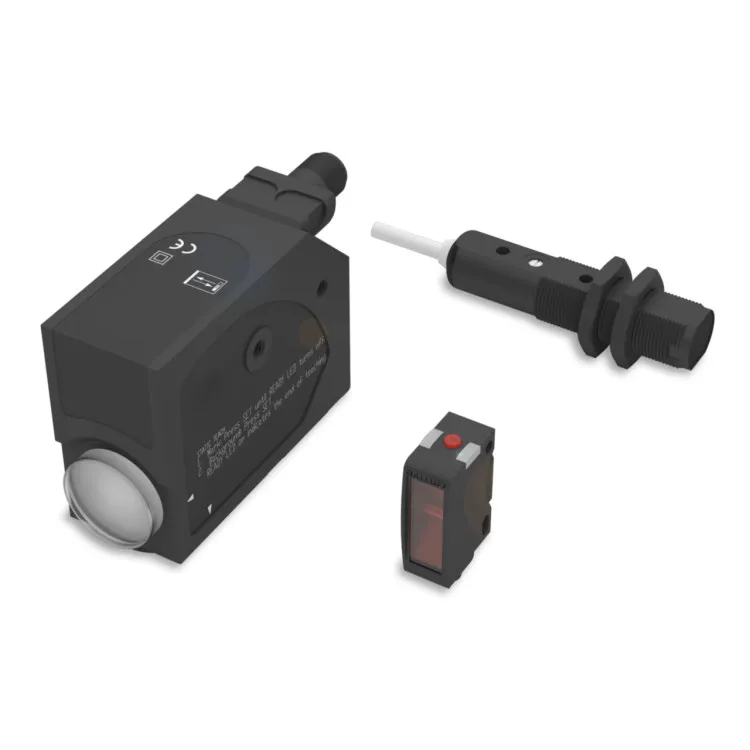
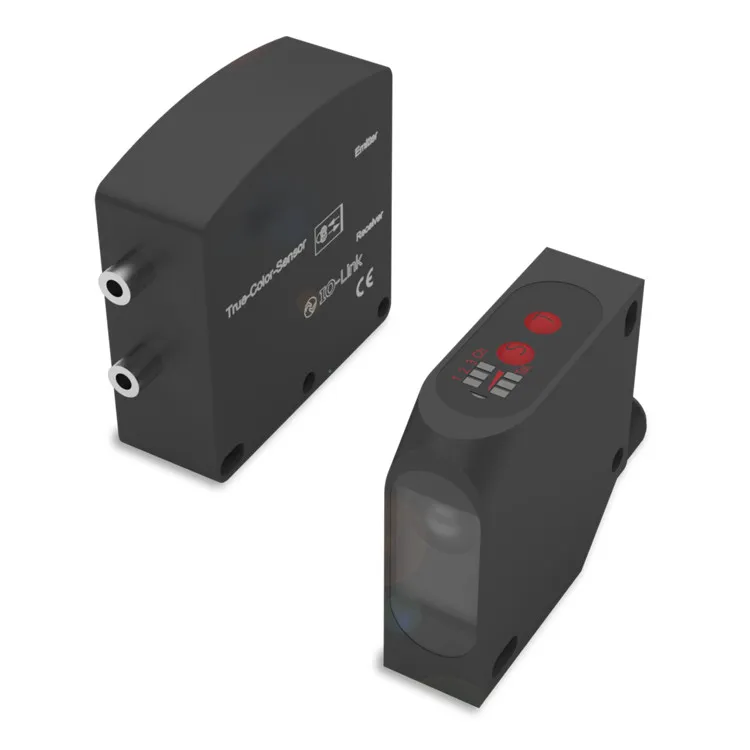
Before delving into their applications in the sports equipment industry, it is essential to understand what colour sensors are. A colour sensor is a device that can detect and measure the colour of an object or surface. It works by emitting light onto the target and then analyzing the reflected light to determine the colour. There are different types of colour sensors, including RGB sensors that measure the intensity of red, green, and blue light components, and spectral sensors that can provide more detailed information about the entire spectrum of light.
Quality Control in Manufacturing
One of the primary applications of colour sensors in the sports equipment industry is quality control during the manufacturing process. Many sports equipment items, such as balls, helmets, and sports apparel, come in specific colours that are associated with brands or regulations. For example, a football must have a distinct colour for easy visibility during a game. Colour sensors can be used on the production line to ensure that each product meets the required colour specifications.
By integrating colour sensors into the manufacturing process, manufacturers can detect any deviations in colour early on. This helps in reducing waste and rework, as products that do not meet the colour standards can be identified and removed from the production line immediately. Moreover, it ensures that the final products have a consistent appearance, which is crucial for brand image and customer satisfaction.
Customization and Personalization
In today's market, consumers are increasingly looking for personalized sports equipment. Colour sensors can play a vital role in enabling customization. For instance, a sports equipment manufacturer could offer customers the option to choose the colour of their sports gear. Using colour sensors, the manufacturer can accurately match the customer - selected colour during the production process.
This level of customization not only enhances the customer experience but also gives manufacturers a competitive edge. Customers are more likely to purchase sports equipment that reflects their personal style and preferences. Additionally, colour sensors can be used in the development of new product lines with unique colour combinations, attracting a wider range of customers.
Safety and Performance Enhancement
Colour sensors can also contribute to the safety and performance of sports equipment. In some sports, such as skiing or cycling, visibility is a critical factor for safety. By using colour sensors, manufacturers can develop equipment with high - visibility colours that are optimized for different lighting conditions.
For example, a cycling helmet could be designed with a colour that is easily detectable in low - light environments. Colour sensors can be used to measure the reflectivity and visibility of different colour materials, allowing manufacturers to select the most suitable ones for their products. This can significantly reduce the risk of accidents and improve the overall safety of athletes.
In addition, colour sensors can be used in sports training equipment. For example, in a smart basketball hoop, a colour sensor could be used to detect the colour of the ball. This information could be used to provide real - time feedback to the player, such as the accuracy of their shot based on the position of the ball's colour in the hoop.
Integration with Other Sensor Technologies
Colour sensors can be integrated with other sensor technologies, such as Contrast Sensor and Counter Sensor, to create more advanced sports equipment. For example, in a sports analytics system, a colour sensor could be combined with a counter sensor to track the number of times a coloured object, such as a ball, passes through a certain area.
The contrast sensor can be used in conjunction with the colour sensor to enhance the detection of objects in different environments. For instance, in a football field with varying grass colours and lighting conditions, the contrast sensor can help the colour sensor to more accurately identify the ball. This integration of sensor technologies can provide more comprehensive data for sports performance analysis and training.
Challenges and Considerations
While the potential applications of colour sensors in the sports equipment industry are vast, there are also some challenges and considerations. One of the main challenges is the cost of implementing colour sensor technology. High - quality colour sensors can be relatively expensive, which may increase the production cost of sports equipment. However, as the technology matures and economies of scale are achieved, the cost is likely to decrease.
Another challenge is the environmental conditions in which sports equipment is used. Extreme temperatures, humidity, and sunlight can affect the performance of colour sensors. Manufacturers need to ensure that the colour sensors are robust enough to withstand these conditions. Additionally, calibration of colour sensors is crucial to ensure accurate and consistent results.
Conclusion
In conclusion, colour sensors have significant potential for the sports equipment industry. They can be used for quality control, customization, safety and performance enhancement, and integration with other sensor technologies. While there are challenges to overcome, the benefits far outweigh the drawbacks.
As a supplier of Colour Sensor, we are committed to providing high - quality sensors that can meet the specific needs of the sports equipment industry. If you are a sports equipment manufacturer or involved in the sports industry and are interested in exploring how colour sensors can be integrated into your products, we invite you to contact us for a detailed discussion and procurement洽谈. We look forward to working with you to drive innovation in the sports equipment industry.
References
- "Optoelectronic Sensors: Principles and Applications" by John Doe, published by ABC Publishing, 20XX.
- "Advances in Sensor Technologies for Sports Equipment" in Journal of Sports Technology, Volume XX, Issue XX, 20XX.
- Industry reports on the sports equipment market from well - known market research firms.