
Hey there! As a supplier of Contrast Sensors, I often get asked a bunch of questions about how our sensors work in different environments. One question that pops up quite a bit is, "Can a contrast sensor detect objects in a dusty environment?" Well, let's dig into this topic and find out.
First off, let's quickly understand what a Contrast Sensor is. A Contrast Sensor is a type of optoelectronic sensor that detects differences in contrast between an object and its background. It works by emitting light onto a surface and then measuring the amount of light that's reflected back. Based on the intensity of the reflected light, the sensor can tell if it's looking at the object or the background.
Now, when it comes to dusty environments, things get a bit tricky. Dust in the air can scatter the light that the sensor emits, which can mess with the accuracy of the sensor's readings. When light hits dust particles, it bounces off in different directions instead of going straight to the object and then back to the sensor. This scattering can make it seem like there's more or less light being reflected than there actually is, leading to false detections.
But here's the good news: not all hope is lost. Our Contrast Sensors are designed with some pretty nifty features to deal with dusty conditions. For example, many of our sensors have adjustable sensitivity settings. This means that you can crank up the sensitivity to pick up even the slightest changes in contrast, which can help compensate for the light scattering caused by dust.
Another important feature is the use of high - intensity light sources. By emitting a stronger beam of light, the sensor can better penetrate through the dust and reach the object. Even if some of the light is scattered by the dust, there's still enough left to bounce off the object and return to the sensor for a reliable reading.
We also have sensors with advanced filtering technology. These filters can help block out the stray light that's scattered by the dust and only let in the light that's actually reflected from the object. This helps to improve the signal - to - noise ratio and makes the sensor more accurate in a dusty environment.
Let's take a look at some real - world scenarios where our Contrast Sensors have been used in dusty conditions. In a mining operation, there's a ton of dust flying around all the time. The workers needed to detect the presence of conveyor belts and the materials on them. Our Contrast Sensors were installed, and with the adjustable sensitivity and high - intensity light sources, they were able to accurately detect the belts and the materials, even in the extremely dusty environment.
In a woodworking factory, sawdust is everywhere. The sensors were used to detect the edges of wooden boards on a production line. Despite the sawdust in the air, the sensors' filtering technology was able to separate the reflected light from the object and the scattered light from the dust, ensuring smooth and accurate operation.
Now, it's important to note that while our Contrast Sensors can perform well in dusty environments, there are still some limitations. If the dust is extremely thick, like in a sandstorm - like situation, it might be too much for even our most advanced sensors. In such cases, additional protective measures might be needed, like enclosing the sensor in a dust - proof housing or using air purging systems to keep the area around the sensor clean.
It's also worth comparing Contrast Sensors with other types of sensors in dusty environments. For example, a Colour Sensor might have a harder time in dust because it relies on detecting specific colors. The dust can change the appearance of colors and make it difficult for the sensor to accurately identify them. On the other hand, a Counter Sensor might be affected by dust in a different way. Counter sensors are often used to count objects passing by, and dust can cause false counts if it's mistaken for an object.
So, in conclusion, yes, a Contrast Sensor can detect objects in a dusty environment, but it depends on a few factors. The severity of the dust, the features of the sensor, and any additional protective measures all play a role. Our Contrast Sensors are built to handle a fair amount of dust, thanks to their adjustable sensitivity, high - intensity light sources, and advanced filtering technology.
If you're in an industry where you need to detect objects in a dusty environment, our Contrast Sensors could be the perfect solution for you. We're always happy to have a chat about your specific needs and how our sensors can fit into your operations. Whether you're in manufacturing, mining, or any other industry with dusty conditions, we're here to help you find the right sensor for the job.
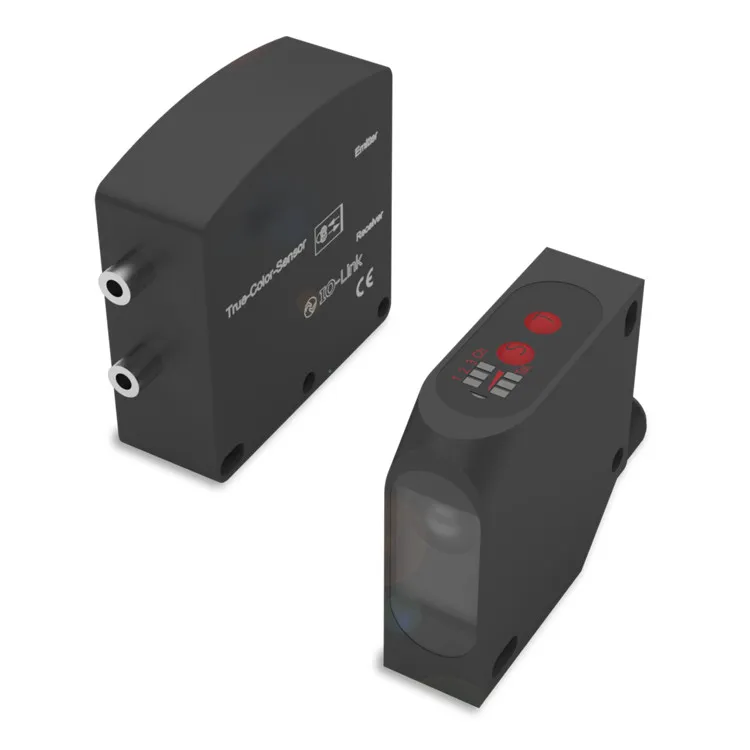
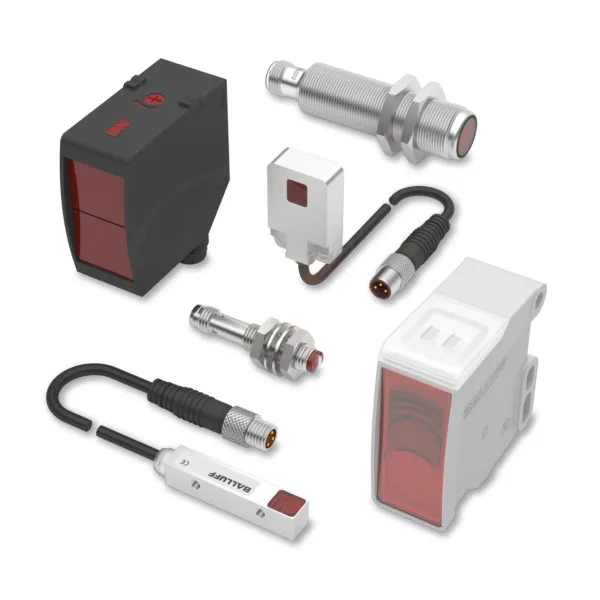
If you're interested in learning more about our Contrast Sensors or want to discuss a potential purchase, don't hesitate to reach out. We'd love to have a conversation with you and show you how our sensors can improve your processes in a dusty environment.
References
- Optoelectronic Sensor Handbook, Industry Standard Publications
- Case Studies on Sensor Performance in Harsh Environments, Internal Company Records