
Can Siemens HMI be used in water treatment plants?
As a supplier of Siemens HMI, I've often been asked whether Siemens HMI can be effectively utilized in water treatment plants. The answer is a resounding yes, and in this blog, I'll delve into the reasons, features, and benefits of using Siemens HMI in such a critical industrial setting.
The Complexity of Water Treatment Plants
Water treatment plants are intricate facilities that involve multiple processes to ensure the purification of water for various uses, whether it's for drinking, industrial applications, or environmental protection. These processes include filtration, sedimentation, disinfection, and more. Each stage requires precise monitoring and control to maintain the quality and efficiency of water treatment.
Why Siemens HMI is a Great Fit
1. Robust Monitoring Capabilities
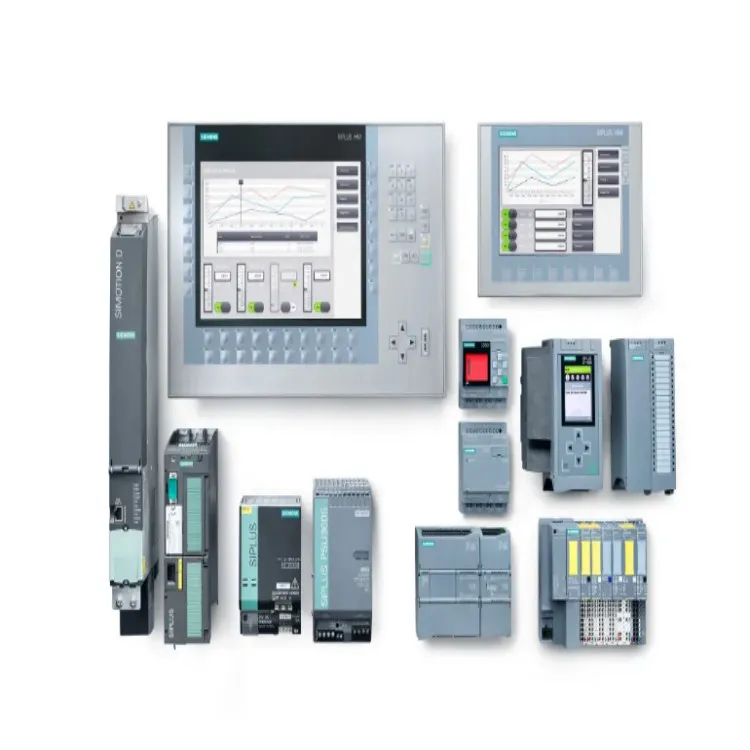
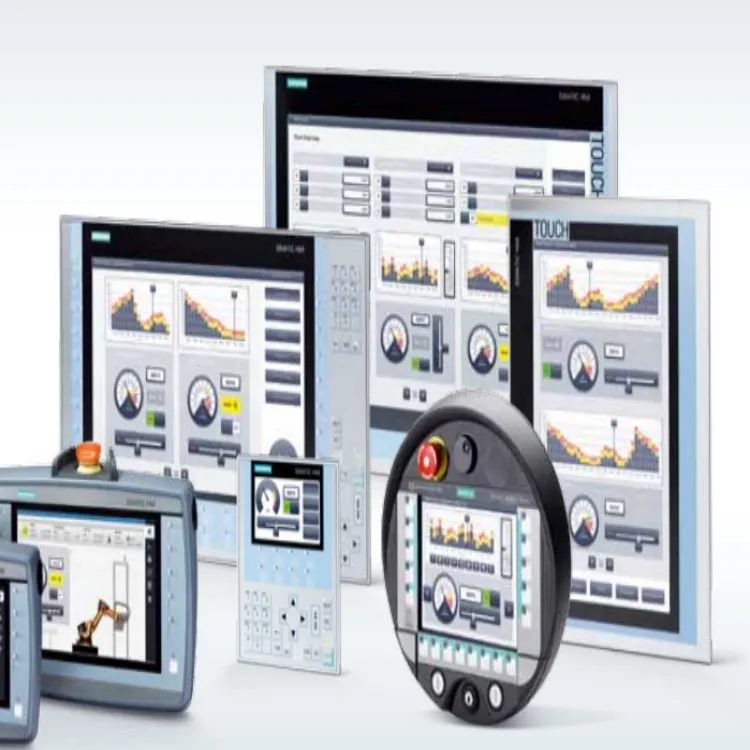
Siemens HMI, such as the Siemens SIMATIC HMI, offers advanced monitoring features. In a water treatment plant, operators need to keep a close eye on various parameters like water flow rate, pressure, pH levels, and chemical dosages. Siemens HMI can display real - time data from sensors installed throughout the plant. For example, it can show the flow rate of water entering the filtration unit, allowing operators to quickly detect any abnormal changes. If the flow rate suddenly drops, it could indicate a blockage in the pipes, and immediate action can be taken.
2. Intuitive User Interface
The user interface of Siemens HMI is designed to be intuitive. Operators in water treatment plants may not have extensive technical knowledge, but they need to be able to operate the control systems effectively. The Siemens Basic HMI provides a simple and clear interface with easy - to - understand graphics and symbols. For instance, the interface can use color - coded indicators to show the status of different equipment. Green indicates normal operation, yellow for a warning, and red for an emergency. This makes it easy for operators to quickly assess the situation and take appropriate actions.
3. Reliability and Durability
Water treatment plants often operate in harsh environments, with high humidity, temperature variations, and exposure to chemicals. Siemens HMI is built to withstand these conditions. It has a rugged design and high - quality components that ensure reliable operation over a long period. The HMI units are resistant to dust, moisture, and corrosion, reducing the risk of breakdowns and minimizing maintenance requirements. This reliability is crucial in a water treatment plant, where any disruption in the control system can lead to water quality issues.
4. Integration with Existing Systems
Most water treatment plants already have established control systems and equipment. Siemens HMI can be easily integrated with these existing systems. It supports a wide range of communication protocols, allowing it to connect with programmable logic controllers (PLCs), sensors, and other devices. This seamless integration enables the HMI to collect data from different sources and provide a unified view of the entire water treatment process. For example, it can integrate with a PLC that controls the chemical dosing pumps, ensuring that the correct amount of chemicals is added at the right time.
Case Studies
Let's take a look at some real - world examples of how Siemens HMI has been successfully used in water treatment plants.
In a large municipal water treatment plant, Siemens SIMATIC HMI was installed to replace an outdated control system. The new HMI provided real - time monitoring of all the major processes, from intake to distribution. Operators could easily adjust the settings of the filtration and disinfection units based on the data displayed on the HMI. As a result, the plant was able to improve the water quality significantly, reducing the number of contaminants in the treated water.
Another example is a small - scale industrial water treatment plant. By using Siemens Basic HMI, the plant operators were able to simplify the control process. The intuitive interface allowed them to quickly troubleshoot any issues that arose, such as a malfunctioning pump. This led to a reduction in downtime and an increase in overall efficiency.
Future Trends and Siemens HMI
The water treatment industry is constantly evolving, with new technologies and regulations emerging. Siemens HMI is well - positioned to adapt to these changes. For example, with the increasing focus on energy efficiency in water treatment, Siemens HMI can be used to monitor and optimize the energy consumption of different equipment. It can analyze the power usage of pumps and motors and suggest ways to reduce energy waste.
In addition, the trend towards automation and digitalization in the industry means that Siemens HMI will play an even more important role. It can be integrated with advanced analytics tools to predict equipment failures and perform preventive maintenance. This proactive approach can save costs and ensure the continuous operation of the water treatment plant.
Contact for Purchase and Consultation
If you're considering using Siemens HMI in your water treatment plant, I'm here to assist you. Whether you have questions about the product features, need help with integration, or want to discuss a customized solution, I'm more than happy to have a conversation. Reach out to start a discussion about how Siemens HMI can enhance the efficiency and reliability of your water treatment operations.
References
- Siemens official product documentation
- Industry reports on water treatment plant automation
- Case studies from water treatment plants using Siemens HMI