
In the textile industry, Variable Frequency Drives (VFDs) are essential components that control the speed of electric motors, leading to energy savings and improved process control. However, one common issue faced by textile manufacturers is the low power factor of VFDs, which can result in increased energy costs and reduced efficiency. As a Textile VFD supplier, I understand the significance of this problem and have in - depth knowledge of how to improve the power factor of Textile VFDs.
Understanding Power Factor in Textile VFDs
Before delving into the solutions, it's crucial to understand what power factor is. Power factor (PF) is the ratio of real power (kW) to apparent power (kVA) in an electrical circuit. A power factor of 1 (or 100%) indicates that all the electrical power supplied is being used effectively, while a lower power factor means that a significant portion of the power is being wasted as reactive power.
In textile VFDs, the non - linear nature of the drive circuitry, such as the use of rectifiers and inverters, causes the current waveform to deviate from the voltage waveform. This results in a lagging power factor, which can lead to higher energy consumption, increased stress on electrical equipment, and potential penalties from utility companies for poor power quality.
Why Improving Power Factor Matters in Textiles
In the textile industry, where energy - intensive processes like spinning, weaving, and dyeing are common, improving the power factor of VFDs can bring several benefits. Firstly, it reduces energy costs. By minimizing reactive power consumption, textile manufacturers can lower their electricity bills, as utility companies often charge based on both real and apparent power. Secondly, it enhances the efficiency of the electrical system. A higher power factor means that the electrical infrastructure, including transformers and cables, can operate more efficiently, reducing heat generation and extending the lifespan of equipment. Thirdly, it helps to meet regulatory requirements. Many regions have regulations regarding power quality, and maintaining a good power factor can ensure compliance.
Strategies to Improve the Power Factor of Textile VFDs
1. Install Power Factor Correction Capacitors
Power factor correction capacitors are one of the most common and cost - effective solutions for improving the power factor of VFDs. These capacitors work by supplying reactive power locally, offsetting the lagging reactive power generated by the VFD. When properly sized and installed, they can significantly increase the power factor.
For textile applications, the capacitors can be installed at the input side of the VFD or at the main electrical distribution panel. However, it's important to note that improper installation or sizing of capacitors can lead to resonance issues, which can damage the electrical equipment. Therefore, it's recommended to consult with an electrical engineer or a VFD expert to ensure correct installation.
2. Use Active Front - End (AFE) VFDs
Active Front - End VFDs are designed to have a near - unity power factor. Unlike traditional VFDs with passive rectifiers, AFE VFDs use active rectifier circuits that can control the input current waveform to match the voltage waveform. This results in a power factor close to 1, reducing reactive power consumption.
Although AFE VFDs are generally more expensive than traditional VFDs, their long - term benefits in terms of energy savings and power quality improvement can justify the investment, especially for large - scale textile manufacturing facilities.
3. Optimize VFD Settings
Properly configuring the VFD settings can also have a positive impact on the power factor. For example, adjusting the carrier frequency can reduce harmonic distortion, which is often associated with a low power factor. Additionally, setting the appropriate acceleration and deceleration times can prevent sudden changes in the load, which can cause reactive power spikes.
Regular maintenance and calibration of VFDs are also essential. Over time, the performance of VFDs can degrade, leading to a decrease in power factor. By ensuring that the VFDs are operating at their optimal settings, textile manufacturers can maintain a good power factor.
4. Consider Multi - Drive VFD Systems
Multi - Drive VFD systems, such as the ones available at Multi - Drive VFD, can offer better power factor management compared to single - drive systems. In a multi - drive system, multiple VFDs are connected to a common DC bus. This allows for better sharing of power and reactive power compensation among the drives.
The common DC bus configuration can also reduce the overall harmonic distortion, as the harmonics generated by individual drives can cancel each other out to some extent. This results in a more stable power supply and a higher power factor for the entire textile production line.
5. Employ High - Performance Vector VFDs
High - Performance Vector VFDs, like those detailed at High Performance Vector VFD, are designed to provide precise control of motor speed and torque. These VFDs use advanced control algorithms that can optimize the power flow in the motor, leading to a better power factor.
The vector control technology allows for independent control of the magnetic flux and the torque - producing current in the motor. This results in more efficient motor operation and a reduced need for reactive power. By using high - performance vector VFDs in textile applications, manufacturers can achieve both energy savings and improved power factor.
6. Implement Lifting VFDs in Appropriate Applications
In textile facilities, there are often applications that involve lifting and lowering operations, such as in dyeing machines or material handling systems. Lifting VFDs are specifically designed for these types of applications.
Lifting VFDs can provide smooth and precise control of the lifting mechanism, reducing the energy consumption and improving the power factor. They are also equipped with features such as regenerative braking, which can feed the excess energy back into the electrical system, further enhancing energy efficiency.
Monitoring and Maintenance
Improving the power factor of Textile VFDs is not a one - time task. Regular monitoring and maintenance are essential to ensure that the power factor remains at an optimal level. Installing power factor meters at key points in the electrical system can help textile manufacturers track the power factor in real - time.
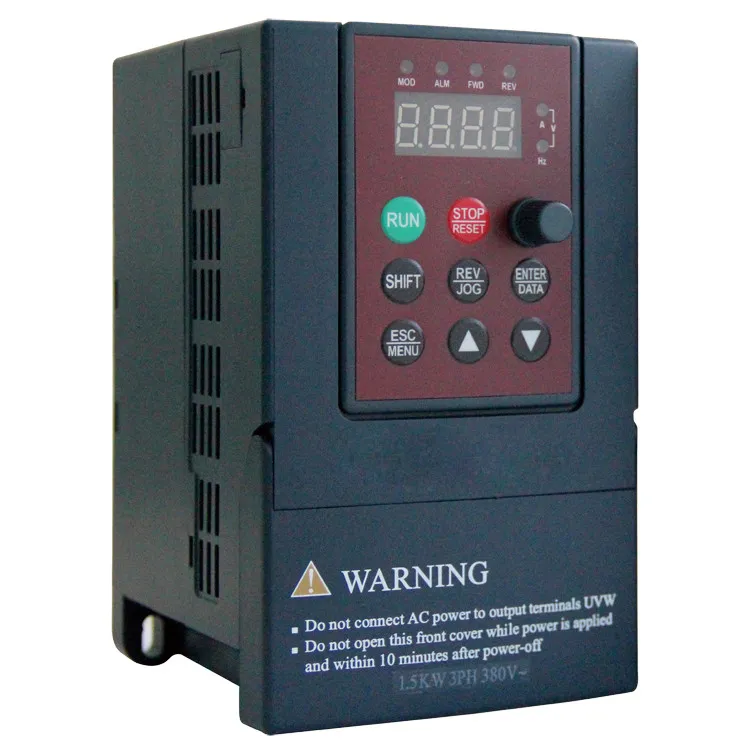
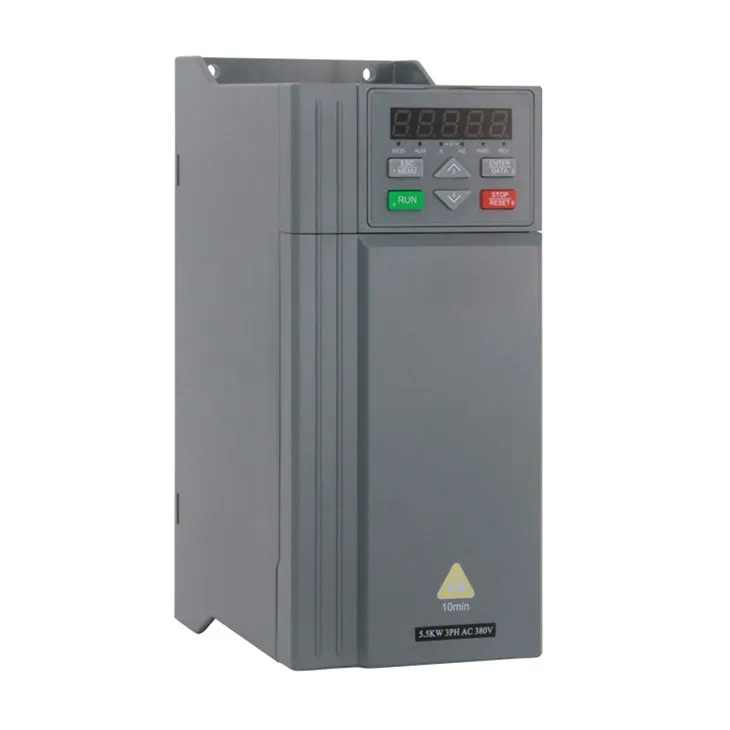
Based on the monitoring results, adjustments can be made to the power factor correction equipment or VFD settings as needed. Additionally, regular inspections of the electrical equipment, including capacitors, VFDs, and motors, can help to detect and address any potential issues before they cause a significant decrease in power factor.
Conclusion
As a Textile VFD supplier, I have seen firsthand the impact of a low power factor on textile manufacturing operations. By implementing the strategies outlined above, such as installing power factor correction capacitors, using AFE VFDs, optimizing VFD settings, and considering advanced VFD systems like multi - drive, high - performance vector, and lifting VFDs, textile manufacturers can significantly improve the power factor of their VFDs.
Improving the power factor not only leads to energy savings and cost reduction but also enhances the reliability and efficiency of the electrical system. If you are a textile manufacturer looking to improve the power factor of your VFDs, I encourage you to reach out to us for a consultation. We have the expertise and the range of VFD products to help you achieve your energy - efficiency goals. Contact us to discuss your specific requirements and start the journey towards a more efficient and cost - effective textile production process.
References
- Chapman, S. J. (2012). Electric Machinery Fundamentals. McGraw - Hill Education.
- Mohan, N., Undeland, T. M., & Robbins, W. P. (2012). Power Electronics: Converters, Applications, and Design. John Wiley & Sons.
- IEEE Standards Association. (2018). IEEE Recommended Practice for Power Factor Correction of Industrial AC Motor Drives.