

What is the difference between general PLCs and specialized PLCs?
In the realm of industrial automation, Programmable Logic Controllers (PLCs) play a pivotal role in controlling and monitoring various processes. PLCs can be broadly classified into two categories: general PLCs and specialized PLCs. As a general PLC supplier, I have witnessed firsthand the diverse applications and unique features of these two types of PLCs. In this blog, I will delve into the differences between general PLCs and specialized PLCs, exploring their functionalities, advantages, and suitable use cases.
General PLCs: Versatility and Flexibility
General PLCs are designed to be versatile and flexible, capable of handling a wide range of industrial applications. They are the workhorses of the automation industry, offering a broad set of features and functions that can be customized to meet specific requirements. These PLCs typically come with a variety of input/output (I/O) modules, allowing them to interface with different sensors, actuators, and other industrial devices.
One of the key advantages of general PLCs is their programmability. They can be programmed using various programming languages, such as ladder logic, structured text, and function block diagram, making it easy for engineers and technicians to develop control programs. Additionally, general PLCs often support communication protocols, such as Ethernet, Modbus, and Profibus, enabling seamless integration with other devices and systems in the industrial network.
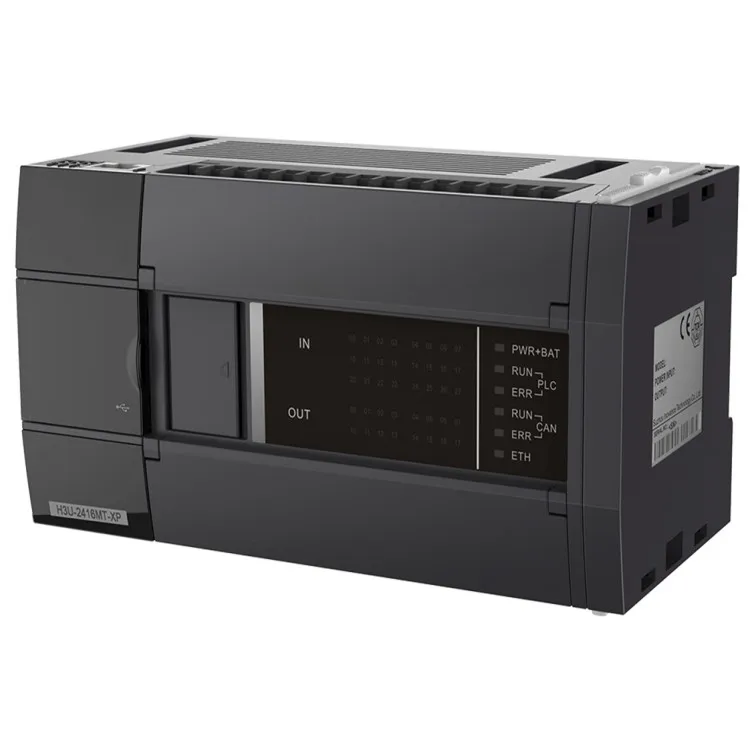
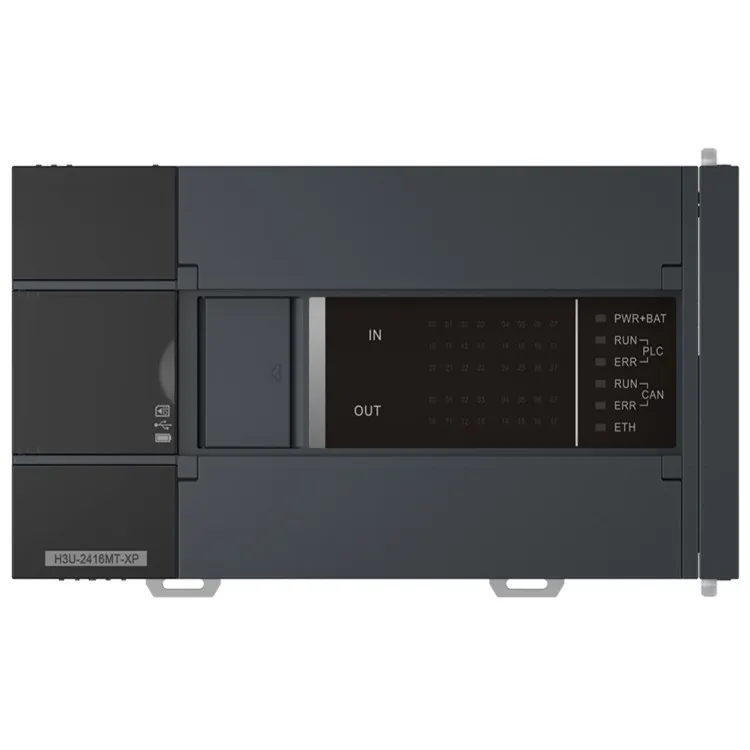
General PLCs are suitable for a wide range of applications, including manufacturing, packaging, material handling, and process control. They can be used to control simple tasks, such as turning on and off motors, as well as complex processes, such as regulating temperature, pressure, and flow in a chemical plant. Some examples of general PLCs offered by our company include the CAN Bus PLC, Compact Mini PLC, and EtherCAT Bus PLC.
Specialized PLCs: Tailored for Specific Applications
Specialized PLCs, on the other hand, are designed to meet the specific needs of particular industries or applications. They are optimized for a specific task or set of tasks, offering enhanced performance, functionality, and reliability compared to general PLCs. Specialized PLCs often come with built-in features and functions that are tailored to the requirements of the target application, eliminating the need for additional programming or customization.
One of the main advantages of specialized PLCs is their high level of integration. They are designed to work seamlessly with other components and systems in the application, reducing the complexity of the overall system design. Additionally, specialized PLCs often offer advanced features, such as high-speed processing, precise control, and real-time monitoring, which are essential for certain applications.
Specialized PLCs are commonly used in industries such as automotive, aerospace, food and beverage, and pharmaceuticals. For example, in the automotive industry, specialized PLCs are used to control the assembly line, ensuring precise and efficient production. In the food and beverage industry, specialized PLCs are used to monitor and control the temperature, humidity, and other environmental conditions during the production and storage of food products.
Key Differences between General PLCs and Specialized PLCs
Now that we have a basic understanding of general PLCs and specialized PLCs, let's take a closer look at the key differences between the two:
Functionality
General PLCs offer a wide range of general-purpose functions and features that can be applied to various industries and applications. They are designed to be flexible and customizable, allowing users to adapt them to their specific needs. Specialized PLCs, on the other hand, are focused on providing dedicated functionality for a particular application or industry. They often come with built-in algorithms and control strategies that are optimized for the target application, offering enhanced performance and efficiency.
Performance
Specialized PLCs typically offer higher performance than general PLCs. They are designed to handle complex tasks and processes with high precision and speed, making them suitable for applications that require real-time control and monitoring. General PLCs, while capable of handling a wide range of tasks, may not offer the same level of performance as specialized PLCs in certain applications.
Cost
General PLCs are generally more cost-effective than specialized PLCs. They are designed to be mass-produced and offer a good balance between functionality and cost. Specialized PLCs, on the other hand, are often more expensive due to their specialized features and customization requirements. However, the cost of specialized PLCs may be justified in applications where high performance and reliability are critical.
Customization
General PLCs offer a high degree of customization, allowing users to program and configure them to meet their specific needs. They can be easily integrated with other devices and systems in the industrial network, providing a flexible and scalable solution. Specialized PLCs, while also customizable to some extent, are more tailored to the requirements of the target application. They may require less programming and configuration compared to general PLCs, but may also be less flexible in terms of adapting to changes in the application.
Choosing the Right PLC for Your Application
When choosing between a general PLC and a specialized PLC, it is important to consider the specific requirements of your application. Here are some factors to consider:
Application Complexity
If your application is relatively simple and requires basic control functions, a general PLC may be sufficient. However, if your application is complex and requires advanced features, such as high-speed processing, precise control, or real-time monitoring, a specialized PLC may be a better choice.
Performance Requirements
If your application requires high performance and reliability, a specialized PLC may be more suitable. Specialized PLCs are designed to handle complex tasks and processes with high precision and speed, making them ideal for applications that require real-time control and monitoring.
Cost Constraints
If cost is a major consideration, a general PLC may be the more cost-effective option. General PLCs are designed to be mass-produced and offer a good balance between functionality and cost. However, if the performance and reliability of your application are critical, the cost of a specialized PLC may be justified.
Future Expansion
If you anticipate future expansion or changes in your application, a general PLC may be more flexible and scalable. General PLCs can be easily programmed and configured to adapt to changes in the application, allowing you to add new features and functions as needed. Specialized PLCs, while also customizable to some extent, may be less flexible in terms of adapting to changes in the application.
Conclusion
In conclusion, general PLCs and specialized PLCs each have their own advantages and disadvantages. General PLCs offer versatility and flexibility, making them suitable for a wide range of industrial applications. Specialized PLCs, on the other hand, are tailored to the specific needs of particular industries or applications, offering enhanced performance, functionality, and reliability.
As a general PLC supplier, we offer a wide range of high-quality PLCs that are suitable for various applications. Our CAN Bus PLC, Compact Mini PLC, and EtherCAT Bus PLC are designed to provide reliable and efficient control solutions for industrial automation.
If you are looking for a PLC for your application, we encourage you to contact us to discuss your specific requirements. Our team of experts will be happy to help you choose the right PLC for your needs and provide you with the support and assistance you need to ensure the success of your project.